Audi R8 Models by Year: Generations, Body Styles and Variants Explained
The Audi R8 is a mid-engine sports car that Audi built across two model generations before ending production in 2024. In the US market, the R8 was sold from roughly the 2008 model year through the 2023 model year. The first generation offered V8 and V10 engines, manual and automated transmissions, and coupe and Spyder body styles. The second generation was V10-only with a dual-clutch automatic. Exact availability of individual trims and editions varied by model year and market, so the year-by-year notes below describe the general US pattern, not a complete list of every configuration ever built.
Audi R8 Generations at a Glance
Generation | Approximate US model years | Body styles | Powertrain variants | Transmissions; First generation (Type 42) | 2008–2015 | Coupe, Spyder (convertible) | 4.2-liter V8, 5.2-liter V10 | Six-speed gated manual; R tronic single-clutch automated manual (early); S tronic dual-clutch (after facelift); Second generation (Type 4S) | 2017–2023 | Coupe, Spyder | 5.2-liter V10 only, all-wheel drive and later rear-wheel drive | Seven-speed S tronic dual-clutch only
Two terms help when reading this table. A model generation is a full redesign cycle that shares a platform and basic engineering. A model year is the marketing year assigned to a vehicle, which often differs from the calendar year in which it was built. For example, a car built in late summer may carry the following year's model year.
First Generation Audi R8 (Type 42)
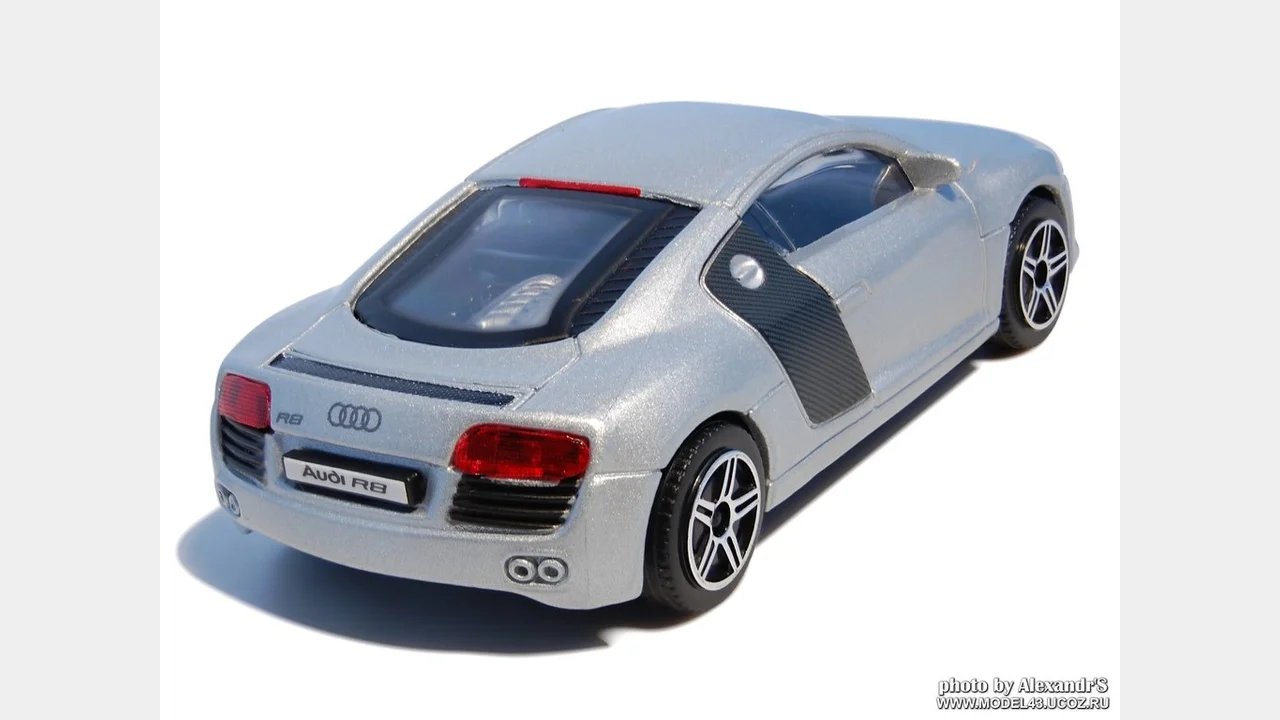
Audi revealed the first-generation R8 in 2006, and US deliveries began as 2008 model year cars. It shared much of its underlying engineering with the Lamborghini Gallardo of the same era. It had a mid-mounted engine, quattro all-wheel drive and a distinctive contrasting side panel behind the doors known as the sideblade.
2008–2009 model years: Coupe only, powered by a 4.2-liter V8. Buyers could choose a six-speed manual with an exposed metal shift gate or the R tronic automated manual, a single-clutch system with paddle shifters. 2010 model year: The 5.2-liter V10 arrived alongside the V8, sharing its basic engine architecture with Lamborghini. 2011–2012 model years: The R8 Spyder, a soft-top convertible body style, was added. The V10 Spyder came first and the V8 Spyder followed. A limited, lighter and more powerful R8 GT was also offered in small numbers during this period. 2014–2015 model years (US facelift): Updated styling with full LED lighting, and the seven-speed S tronic dual-clutch transmission replaced R tronic. A higher-output V10 plus trim was added. The manual gearbox stayed available on some versions through the end of the generation, and limited editions appeared near the end of production.
Market timing matters here. The facelift appeared in Europe as a 2013 model and reached the US as a 2014 model year car. Exact trim availability within each year also differed between the US and other markets.
Second Generation Audi R8 (Type 4S)
The second-generation R8 debuted in 2015 and reached the US as a 2017 model year vehicle. It was built on a platform shared with the Lamborghini Huracán. It dropped both the V8 and the manual transmission, so every US car used the 5.2-liter V10 and the seven-speed S tronic. The sideblade styling cue was kept but split into two pieces.
2017 model year: Coupe launched in V10 and higher-output V10 plus trim levels, both with quattro all-wheel drive. 2018 model year: The Spyder body style returned for the second generation. A limited-production R8 V10 RWS (Rear-Wheel Series) introduced rear-wheel drive to the R8 for the first time. 2020 model year (facelift): Revised front and rear styling and updated trims, centered on the V10 and the V10 performance, which replaced the V10 plus name. The US market generally did not receive a 2019 model year R8, moving from 2018 directly to the updated 2020 cars. 2021–2022 model years: The lineup continued in coupe and Spyder form. A rear-wheel-drive V10 performance RWD joined the all-wheel-drive versions, making rear-wheel drive a regular trim, not just a limited run. 2023 model year: The final US model year, which included a limited-production R8 GT RWD as a send-off edition. Audi ended R8 production in early 2024.
Variants You May See That Were Not Regular US Models
Some R8 versions show up in listings, articles or auctions but were not part of the regular US lineup. The R8 e-tron was a battery-electric version built in very small numbers and aimed mainly at markets outside the US. Several special editions were offered mainly in Europe or other regions, and the R8 LMS was a customer racing car, not a street model. If a car advertised in the US claims to be one of these, confirm its history and specification before relying on the description.
How to Confirm an R8's Model Year and Build Date
Because model year and production date can differ, use the vehicle itself to confirm which version you are looking at.
Check the VIN: On vehicles sold in North America, the 10th character of the 17-character vehicle identification number encodes the model year. Read the door-jamb certification label: This label normally shows the month and year of manufacture, which is the build date, not the model year. Match the hardware to the year: A gated manual shifter or an R tronic gearbox points to the first generation. A V8 engine also rules out the second generation. Rear-wheel drive points to a second-generation RWS, RWD or GT model. Match the styling: First-generation cars have a one-piece sideblade. Second-generation cars have a split sideblade and sharper, more angular lighting. Check the market specification: Cars imported from other regions can carry equipment, lighting or trims that never matched a US-market model year.
How the Generations Differ for Buyers
The following points are editorial guidance, not test findings. The first generation is the only R8 offered with a V8 and with a true manual transmission, which is why it often appeals to buyers who want an analog driving experience. Within that generation, the facelifted 2014–2015 cars with S tronic are generally viewed as more refined in automatic form than early cars with the single-clutch R tronic. The second generation offers V10 power across the range, a more modern cabin with Audi's digital instrument display, and, in later years, a choice between all-wheel and rear-wheel drive. That makes the second generation the more contemporary choice, but it never offered a manual.
When comparing specific cars, treat engine output, equipment and option content as variant-dependent. They changed between trims and model years, and between US and non-US market specifications. Confirm the exact configuration of any car you are considering against its VIN and documentation, not against a general model-year overview.