Audi Q7 Trailer Sway Control
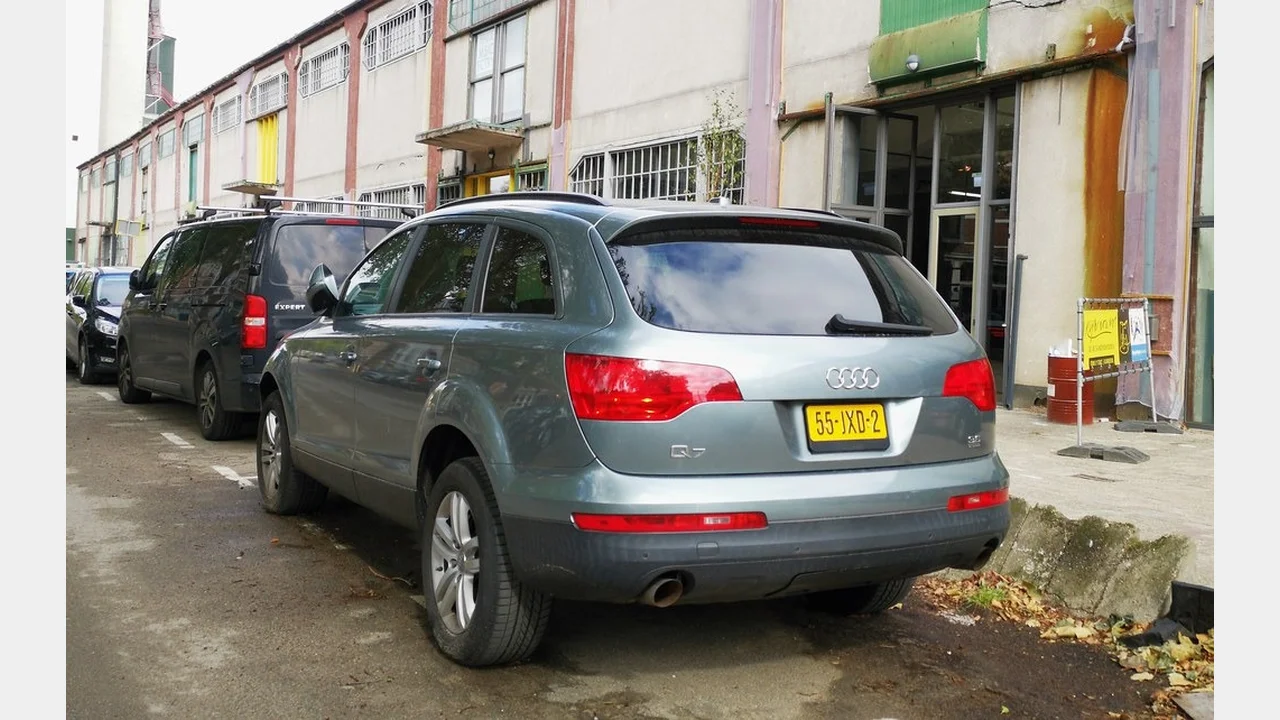
Trailer sway can turn a confident highway pass into a rapidly escalating stability problem, especially when crosswinds, passing trucks, or uneven pavement disturb a long trailer. The Audi Q7 trailer sway control function is designed to detect that developing yaw motion and intervene through selective braking and torque reduction before the oscillation grows. Understanding how this stability logic cooperates with the vehicle’s trailer hitch electronics, weight distribution, and loading choices helps owners recognize what the system can correct and what remains a matter of proper setup.
Essential answer
Audi Q7 trailer sway control is an extension of the electronic stability control system that monitors lateral movement while towing. When sensors detect repeated side-to-side trailer oscillation at speed, the vehicle responds by reducing engine torque and applying individual wheel brakes to pull the combination straight. The intervention is automatic and intended to work with the factory trailer hitch and wiring module, which allow the stability controller to recognize that a trailer is electrically connected.
The feature addresses dynamic instability rather than replacing correct trailer loading or weight ratings. Sway control cannot compensate for excessive tongue weight, overloading beyond the gross vehicle weight rating or combined weight rating, or a trailer configuration that is inherently unstable. Its scope is corrective intervention after oscillation begins, making it one part of a safe towing setup that still depends on proper payload distribution, axle rating compliance, and appropriate speed for conditions.