Audi Car Images
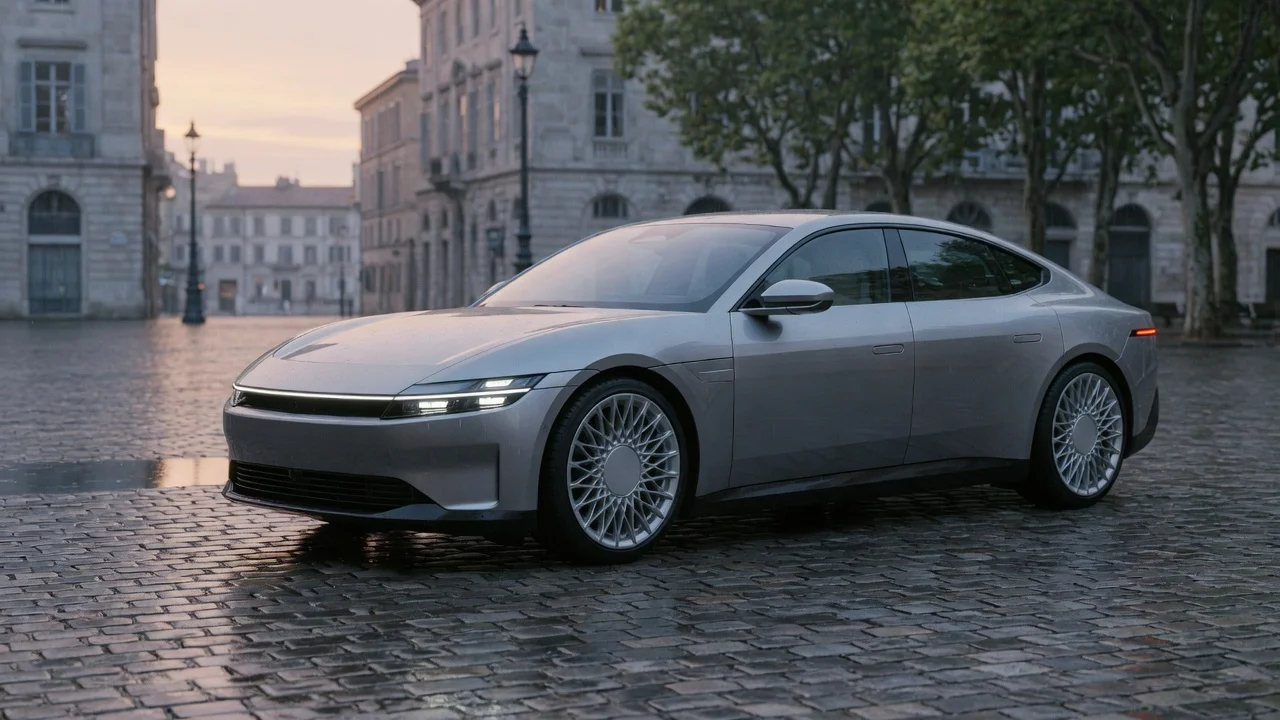
What Audi car images actually show
Audi car images are photographs of Audi passenger cars, SUVs, performance models and electric models. The picture you see is almost never a single, unchanging “Audi look.” Body shape, lights, grille, wheels and badging change with model line, generation, model year, trim, powertrain and sales market. Treat any photo as a snapshot of one specified variant unless the caption names the year, model and equipment.
Official studio and press photos usually show a high-spec car in a launch colour, often with optional wheels, lighting signatures and driver-assistance hardware fitted. Dealer, listing and owner photos more often show the equipment actually sold in that market, including simpler bumpers, smaller wheels and different lighting packages. Renderings and early “spy” shots can predate the production car and should not be used as a specification source.
Model families you will see in photos
Most Audi photos fall into a few named families. Exact availability, naming and body styles depend on generation and market, so a badge in one region may not match another.
A-series cars (A1 through A8 in markets where each is sold): compact to full-size saloons, hatchbacks and Sportback or Avant (estate) bodies. Q-series SUVs (Q2 through Q8, plus electric Q4 e-tron and later Q6 e-tron in applicable markets): crossovers and larger SUVs, including Sportback (coupé-roof) variants on some models. S and RS performance variants: visually closer to the related A or Q model, usually with larger intakes, unique bumpers, bigger wheels, RS or S badging and model-specific exhaust or diffuser treatments. Fully electric models badged e-tron or carrying an electric-specific name (for example e-tron GT): closed grilles or different front openings, unique lighting graphics and, on some cars, charging-port placement that combustion models do not have. Two-door and specialist models such as TT and R8 in years and markets where they were sold: proportions and detailing that do not match the mainstream A and Q cars.
How to identify the car in a photo
Start with body type, then the front grille and light signature, then wheels and badging. Audi’s Singleframe grille is a wide, usually octagonal or trapezoid opening whose size, slat pattern and surround change by generation and by S, RS or electric version. Headlamp and tail-lamp graphics are generation-specific; many recent cars use a daytime-running-light signature that is easier to match to a brochure than to an older model. Side character lines, window graphic and D-pillar shape separate saloon, Avant, Sportback and SUV bodies.
What you see in the image What it usually indicates Caveat; Saloon three-box profile A4, A6 or A8 family, depending on size Long-wheelbase and market-specific bodies can look larger than the standard car. Estate / wagon roofline with a more vertical tail Avant body on an A-series model Some markets never offered an Avant; a photo from another region can mislead. Coupé-like falling roof on a four-door Sportback body Used on several A and Q models; the badge, not the roof alone, names the car. Tall body, black lower cladding, higher ride height Q-series SUV Sportback SUVs sit lower in the roof than the standard SUV of the same name. Large intakes, RS or S badge, unique bumper S or RS derivative of the related model Cosmetic body kits and aftermarket wheels can imitate this look. Closed or low-opening front, e-tron or EV-specific lamp graphic Battery-electric model Plug-in hybrids can look almost identical to the combustion car in the same generation.
What changes the look between otherwise similar photos
Model year and generation matter more than the brand name. A facelift can change lamps, grille slats, bumpers and infotainment screens while keeping the same model code in everyday speech. Trim and option packages change wheels, exhaust finishers, interior colour, ambient lighting and the presence of a panoramic roof or virtual cockpit-style display. Market differences include bumper sensors, lighting homologation, badging (including quattro where fitted) and whether a long-wheelbase body exists.
Colour and wheels dominate first impressions. Light metallic and solid colours show body creases clearly; dark colours hide them and make the car look smaller. Large optional wheels fill the arches and change the stance compared with the smaller wheels on many volume trims. Studio lighting and wide-angle lenses exaggerate width and make the grille look more aggressive than it does in daylight at normal viewing distance.
Studio, listing and owner photos are not interchangeable
Press images are useful for design language, official colours and the intended light signature. They are a poor guide to the exact car you will be offered, because they often include packages that are optional or market-limited. Used-car and classified photos are better for real equipment, wear, panel gaps and whether the car matches its advertised year, but they vary in quality and can hide damage with filters or tight crops. Owner photos and motor-show shots may include accessories, aftermarket parts or pre-production cars.
Prefer a caption or filename that states model, body style, model year or generation, and powertrain. Compare front, rear and wheel-arch shots; a single three-quarter view hides bumper, lamp and exhaust differences. Match interior photos to the same generation: MMI screen layout, steering-wheel design and digital cluster style change with facelifts. Treat unnamed “Audi SUV” or “new RS” images as unidentified until grille, lamps and badge can be tied to a documented generation.
Using images to make a choice
If the goal is to recognise a car, lock the generation first, then the body style, then S, RS or electric status. If the goal is to choose a car to buy or configure, use images only alongside a spec sheet for that model year and market: wheel size, lighting package, interior trim and driver-assistance cameras are visible in photos but are option-dependent. If a measurement, towing figure, battery size or power output is not stated in a caption or a matching official specification for that variant, it is not established by the picture.
Material uncertainty remains wherever a photo is unlabelled, cropped, retouched or taken from a different market. In those cases the image can still show brand design cues; it cannot confirm the exact model year, trim or equipment without corroborating documentation.