ATV vs UTV: Which Vehicle Fits Your Needs?
The short answer
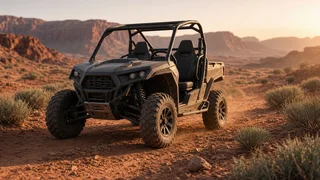
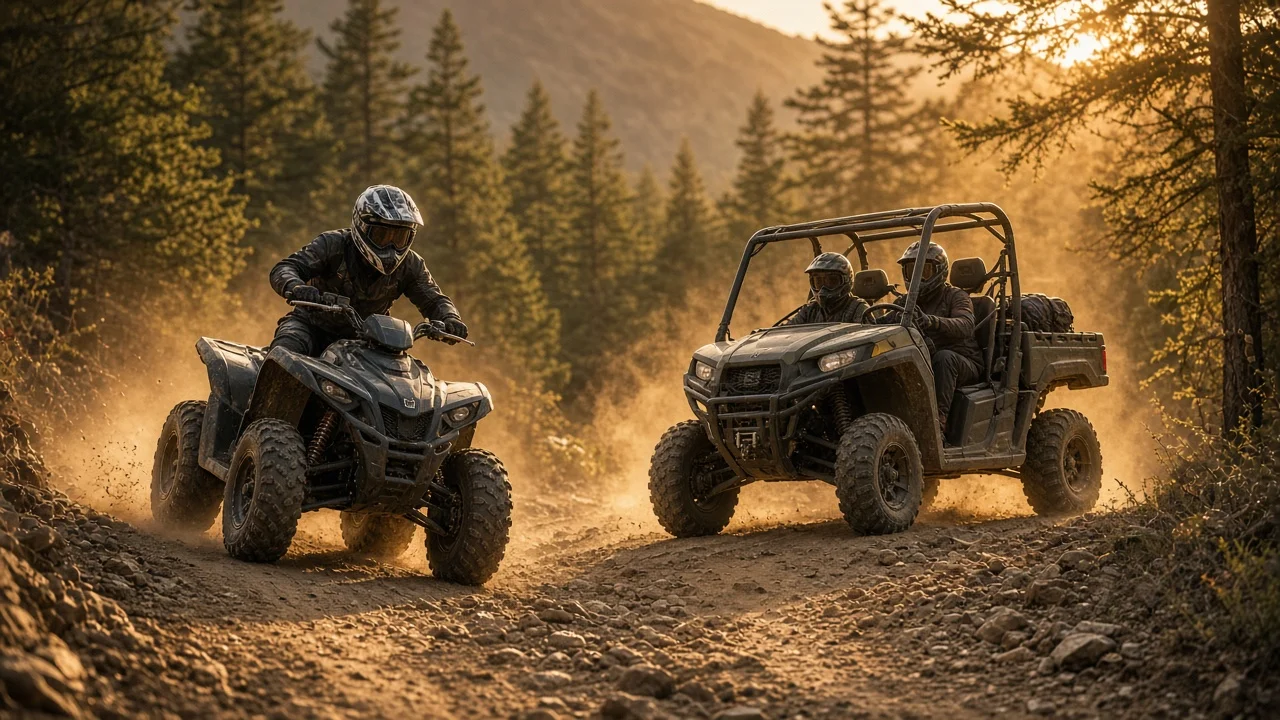
An ATV (all-terrain vehicle) is a straddle-seat machine you ride and steer with handlebars, much like a four-wheeled motorcycle. A UTV (utility task vehicle), usually called a side-by-side, is driven more like a small car: you sit in a seat, steer with a steering wheel and use foot pedals, and a passenger can sit next to you. In general, an ATV suits one rider who wants a nimble, compact machine, while a UTV suits people who want to carry passengers or cargo with more of a car-like driving position.
One qualification matters: exact size, capacity and features vary widely by manufacturer, model and model year, and there are sport, utility and youth versions of both types. Treat the differences below as general patterns, not guarantees for any specific vehicle, and confirm details against the manufacturer's specifications for the model you are considering.
Is a side-by-side an ATV?
In everyday and industry usage, no. A side-by-side is generally classed as a UTV or, in recreational form, an ROV (recreational off-highway vehicle). The term ATV usually refers to straddle-seat, handlebar-steered machines. The name side-by-side comes from the seating layout, with the driver and passengers sitting next to each other rather than one behind the other.
However, legal definitions do not always follow industry terms. Some state and local regulations group ATVs and side-by-sides together under broader categories such as off-highway vehicles, while others treat them separately for registration, trail access, age limits or street use. If a rule, trail sign or insurance policy refers to ATVs, check how that specific document defines the term before assuming it does or does not include a side-by-side.
How ATVs and UTVs compare
Criterion | ATV | UTV (side-by-side); Seating | Straddle seat; typically one rider, with some models designed for a passenger | Seats side by side; models with room for two or more occupants are common; Controls | Handlebars, with throttle and brakes operated by hand and foot depending on design | Steering wheel and foot pedals, similar to a car; Riding style | Active: the rider shifts body weight to help with balance and cornering | Seated driving with less body movement required; Occupant protection | Generally no cab structure; protection relies on riding gear | Many models have a roll-over protective structure, seat belts and sometimes doors or nets; Cargo | Front and rear racks on many utility models; some can tow | Many models include a rear cargo bed; some can tow; Size | Generally narrower, shorter and lighter | Generally wider, longer and heavier; Maneuverability | Easier to fit through tight, narrow trails | Can be limited by trail width restrictions; Cost and transport | Generally less expensive and easier to haul | Generally costs more and may need a larger trailer
No verified figures for price, weight, width, payload, towing capacity or engine output were available for this article, so the table compares the vehicle types qualitatively. When you shop, compare numbers only between models measured the same way, for example the same trim, configuration and model year, and check whether a published capacity refers to the cargo bed, racks or total vehicle load.
Differences that matter for your intended use
Passengers: if you regularly ride with family members or co-workers, a UTV is usually the more practical choice because seating for more than one person is built into the design. Carrying a passenger on an ATV is only appropriate on models specifically designed and labeled for two riders.
Hauling and farm or property work: both types are used for chores, but a UTV's cargo bed makes it easier to move tools, feed, firewood or supplies. An ATV with racks can still handle lighter loads and can reach places a larger vehicle cannot.
Trail riding: ATVs are often favored on narrow, twisting trails and in tight woods. Some trail systems restrict vehicles by width, which can exclude larger side-by-sides, so check the rules for the trails you plan to use before buying.
Riding experience: an ATV demands more physical involvement because the rider uses body position to stay balanced, which some people enjoy and others find tiring or intimidating. A UTV feels more familiar to someone who drives a car and requires less physical effort.
Weather and comfort: because many UTVs can be fitted with roofs, windshields and enclosed cabs, they can be more comfortable for long days or poor weather. ATVs leave the rider exposed.
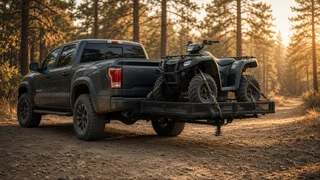
Budget, storage and transport: an ATV typically takes less garage space, fits on a smaller trailer or in some truck beds, and generally costs less. A UTV usually needs more room and a larger trailer.
Safety considerations
Neither type is inherently safe without proper use. ATV riders should wear a helmet and protective gear, follow the manufacturer's age and passenger recommendations, and get training where it is offered. UTV occupants should wear seat belts and keep arms and legs inside the vehicle, and should not exceed the stated seating capacity. Both vehicles can roll over on slopes or uneven ground, and most are not designed for paved public roads unless local law and the specific model allow it.
Which should you choose?
Choose an ATV if you usually ride alone, want a nimble machine for narrow trails, prefer an active riding style, or need something smaller and generally less expensive to buy, store and transport. Choose a UTV if you often carry passengers, need a cargo bed for regular work, want a car-like driving position with seat belts and a protective structure, or plan to ride in conditions where a roof or enclosure would help. If your needs are mixed, prioritize the task you will do most often, and confirm trail width limits, registration and age rules in your area before deciding.
Gaps to check before buying
This guide does not include verified prices, specifications or state-by-state legal requirements. Before buying, review the manufacturer's published specifications for the exact model and year, check your state and local rules on registration, licensing, trail access and road use, and confirm insurance requirements with your provider.