ATV Trailer Hitch Ball
Choosing the right ATV trailer hitch ball is about more than matching a threaded shank to a drawbar. An ATV’s limited mass, short wheelbase, and modest engine output make every pound of trailer weight affect stability and braking. The ball must fit the trailer coupler securely while keeping the load balanced over the ATV’s rear axle and within its designed limits. A small mismatch can create dangerous sway, excessive tongue load, or coupler wear. Understanding shank size, ball diameter, weight ratings, and mounting geometry helps you select a setup that tows predictably across dirt, gravel, and uneven trails.
The direct answer
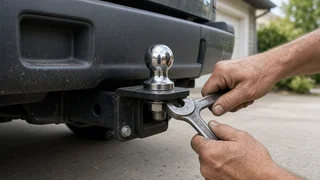
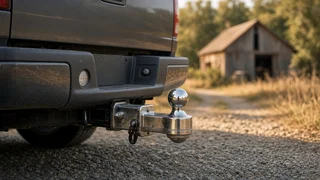
The correct ATV trailer hitch ball depends first on matching the ball diameter to the trailer coupler, commonly 1-7/8 inches or 2 inches for small utility and garden trailers pulled behind an ATV. The threaded shank must also fit the hitch drawbar hole, frequently 3/4 inch in diameter. Choosing a ball with the right diameter prevents the coupler from rattling or popping loose, while the shank must allow the nut and lock washer to torque down flat against the drawbar without bottoming out on the shoulder.
After matching these physical dimensions, verify that the ball’s rated capacity exceeds the loaded trailer weight and the tongue weight placed on the ATV’s hitch. An ATV often works near the lower end of many ball ratings, but the mounting point and rear suspension still limit what can be towed safely. If the ball is too tall or the drawbar positions the coupler far behind the axle, the leverage of the trailer can lighten the front wheels and reduce steering control. The best choice is a ball that fits the coupler precisely, mounts rigidly to the drawbar, and leaves the trailer level when loaded.