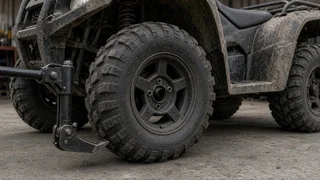
ATV tire valve stem: size and replacement
An ATV tire valve stem may look like a small detail, but it controls the seal that holds inflation pressure against rough trails, mud, rocks, and frequent low-pressure riding. Choosing the correct size and knowing how to handle replacement can prevent slow leaks, bead seating trouble, and sudden air loss. The right stem must match the wheel bore and clearance needs of the rim, especially when a short rubber stem is replaced with a metal or angled option for easier access. This overview explains what the part does, how fitment is determined, and what a practical replacement involves.
Essential answer
The valve stem is the air inlet and sealing point pressed or bolted into the ATV wheel. Its job is not merely to accept the air chuck; it must form an air-tight connection between the wheel and the tire chamber and remain stable under flex, vibration, and debris strikes. On most ATV wheels, the stem passes through a small hole in the rim barrel or outer face, with a rubber body that compresses against the metal or a nut-secured metal body using a grommet and shoulder. When the stem leaks or becomes cracked, the tire cannot retain the appropriate inflation pressure even if the tread itself is serviceable.
ATV fitment differs from many passenger car tires because wheels are narrower and often use low-profile stems or angled stems designed for limited clearance near hubs and brake components. Some owners seek a shorter or angled replacement simply because a straight stem is difficult to reach with a standard air chuck. Matching the hole diameter and seating shape on the wheel is the essential sizing question. A loose or incorrectly seated stem can leak, while an oversized repair attempt can damage the rim. Replacement is often practical without dismounting the tire completely, depending on the stem style and wheel access.