Astro Pneumatic Tire Pressure Gauge
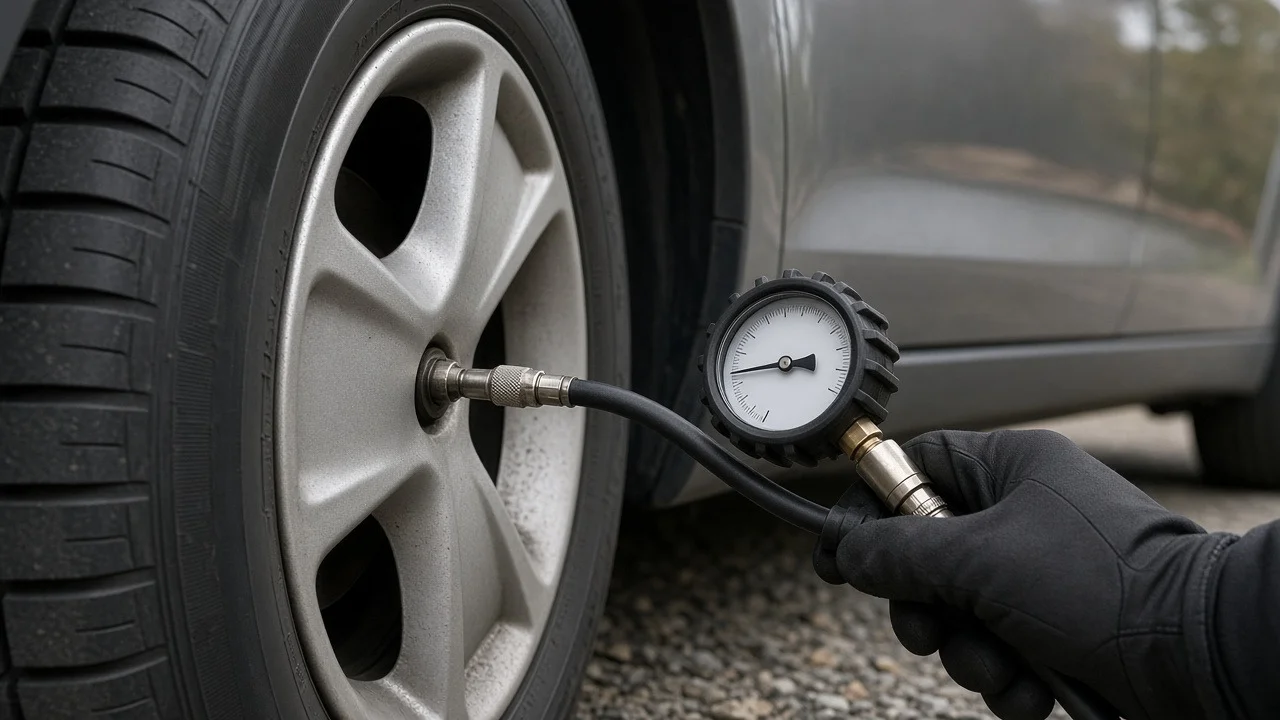
Checking tire pressure with a reliable tool is one of the fastest ways to protect fuel economy, tread life, and steering response. If you are weighing an Astro Pneumatic tire pressure gauge, the useful question is not just whether it reads air pressure, but how its measurement range, accuracy, scale, and hose connection fit the way you work. A dial-style shop gauge can suit garage use where a compact stick gauge is awkward, especially when you need a stable reading at the valve stem. The right choice depends on matching the gauge’s behavior to your vehicle specification and typical inflation range, then confirming that the reading stays repeatable after calibration and normal handling.
The direct answer
An Astro Pneumatic tire pressure gauge is best understood as a shop-oriented dial gauge intended for direct readings at the tire valve. The practical answer is that it can be a sound purchase when you want a clear analog scale, a protected gauge body, and a flexible hose connection that reduces strain on the valve core during use. Before buying, check the stated measurement range and the spacing of major graduations on the dial. A passenger-car tire often operates between roughly 30 and 40 psi, while light-truck and trailer tires may run higher, so the gauge should read comfortably within that working zone rather than only at the far edge of its range.
Accuracy matters more than a brand name, and no gauge proves itself until the reading is compared with a second known reference. Look for a dial that returns to zero when disconnected, holds a reading briefly after the chuck releases, and shows the same value on a repeat test. Because mechanical gauges can drift after drops or temperature changes, occasional comparison with another gauge or a calibrated shop reference is a reasonable ownership habit. If you need psi and kPa or bar markings, confirm the dial has both units in a legible layout rather than relying on a conversion etched too small to read in shadow.