Aggressive Wheel Offset: What It Is, How It Changes Fitment, and What to Check First
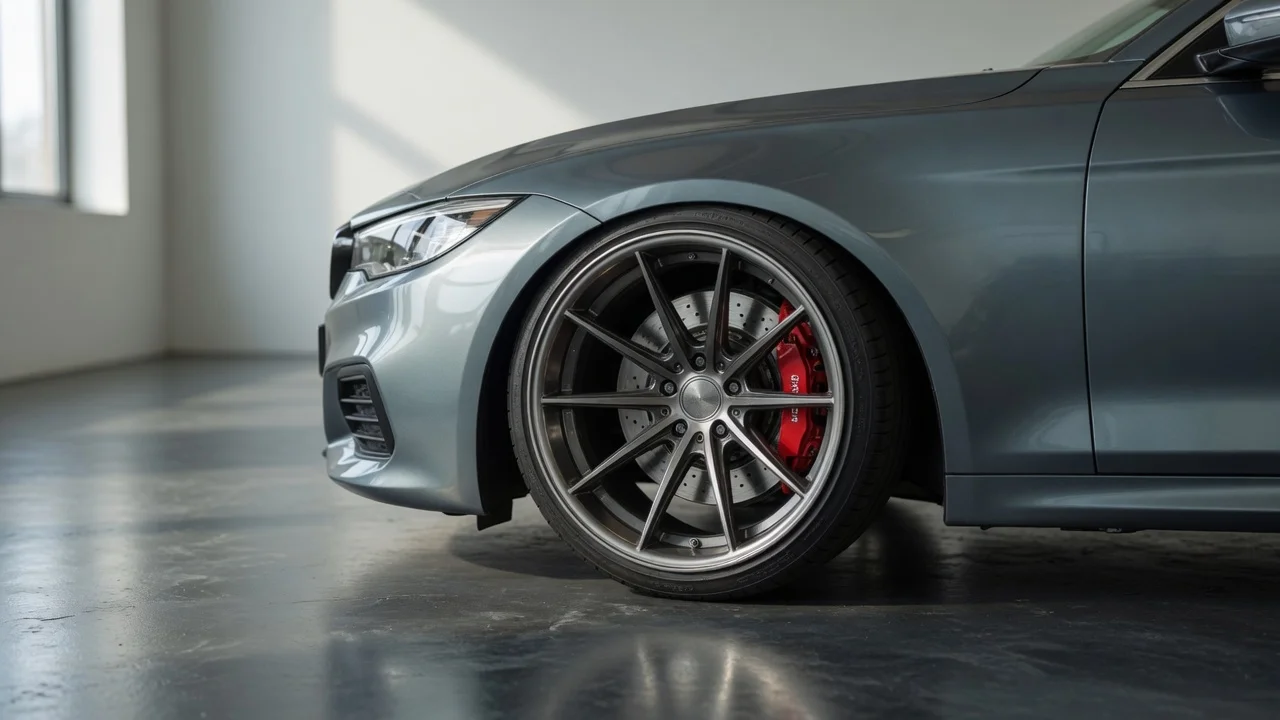
Direct answer: what aggressive wheel offset means
Aggressive wheel offset is a lower, more negative, or reduced positive offset that moves the wheel and tire outward toward the fender. Offset is the distance between the wheel's mounting face and its centerline, usually stated in millimeters. A positive offset places the mounting face toward the outside of the wheel centerline, pulling the wheel inward. A negative offset places it toward the inside, pushing the wheel outward. In common use, 'aggressive' can mean a mildly lowered positive offset on a modern car, or a near-zero or negative offset on a truck or older platform. The practical result is a wider track and a more flush, pushed-out look, but it also changes steering feel, clearance, and suspension load.
How offset is measured
Offset is not the same as wheel width or backspacing, although all three are related. Wheel width is the distance between the inner bead seats. The centerline is half of that width. Offset is the distance from the wheel's hub-mounting face to that centerline. Positive offset means the hub face is outside the centerline; negative offset means it is inside the centerline; zero offset means they are aligned. Backspacing measures from the hub face to the inner rim edge. A wider wheel with the same offset will change clearance because more of the added width can sit on either side of the hub face depending on the offset value.
What changes when offset becomes more aggressive
Track width: a lower positive or negative offset widens the track, which can change lateral load transfer and steering feel. Fender clearance: the tire moves outward, so a setup that fits at stock offset can contact the fender or fender liner at a lower offset. Suspension clearance: moving the wheel outward usually increases clearance to the strut, control arm, or frame, but that benefit depends on the suspension design. Scrub radius: the tire's contact patch center moves relative to the steering axis, which can increase steering effort, tramlining, and torque steer. Bearing and hub load: a larger effective lever arm can raise load on wheel bearings and hubs, but the real-world effect depends on the amount of change and use.
Common aggressive offset ranges
There is no single number that is aggressive for every vehicle. On many front-wheel-drive and all-wheel-drive cars that leave the factory with offsets in the high +40 mm to +55 mm range, moving to roughly +35 mm or lower is often described as aggressive. On rear-wheel-drive platforms with factory offsets near +20 mm to +35 mm, a near-zero offset may be considered aggressive. On solid-axle trucks and older body-on-frame vehicles, zero to negative offsets are common for a wider stance. A 15 mm change is enough to meaningfully affect fitment on many cars with tight fender clearance.
Fitment and clearance trade-offs
The fitment limit is usually the fender side, not the suspension side. A wheel moved outward can clear a strut but rub the outer fender lip, bumper tab, or inner liner during compression or steering lock. Lowered vehicles reduce available travel and make this worse. Tire section width and sidewall shape also matter: two tires of the same labeled width can have different actual section widths. Rolling or pulling fenders can add clearance, but it changes the body and may not be reversible. The usable offset range is vehicle-specific and depends on wheel width, tire size, ride height, alignment, and whether the car carries passengers or cargo often.
Steering, handling, and daily-driving effects
A more aggressive offset can add steering weight and make the car follow road grooves more readily. This is partly from the change in scrub radius and partly from the wider track altering feedback through the steering wheel. Some drivers prefer the heavier feel; others find it tiring on long highway drives. On high-powered front-drive cars, a lower offset can increase torque steer. On trucks, negative offset can increase steering effort and reduce turning radius feel. Alignment, especially caster and toe, may need adjustment after a significant offset change to keep straight-line stability and even tire wear.
Tire wear and suspension load
Moving the tire outward changes the line along which suspension forces act. This can increase load on bushings, ball joints, wheel bearings, and hubs, especially on heavy vehicles or when very negative offsets are used. The change is usually modest for daily street use with a 10 mm to 20 mm offset reduction, but it becomes more relevant for trucks with large negative offsets or vehicles driven hard. Tire wear can also change because the altered geometry affects camber and toe behavior under load. If the tire contacts the fender or liner, localized sidewall or tread damage can occur before the tread wear pattern becomes obvious.
How to choose an aggressive offset without guessing
Find the vehicle's factory wheel width and offset for the relevant model year, generation, powertrain, and trim. Measure current clearance from the tire sidewall and tread shoulder to the fender lip, strut, liner, and suspension arm at ride height. Use the offset change and wheel width change together to project where the new outer sidewall will sit, not just the offset number. Account for tire section width, sidewall shape, and the actual wheel width range approved for the chosen tire. Test at full steering lock and under suspension compression, not only at static ride height. Keep the total change conservative for a daily driver; reserve very low or negative offsets for vehicles with generous clearance or modified fenders.
Material uncertainty and gaps
The exact safe range for a given vehicle cannot be stated without the model, year, suspension, wheel width, tire size, and ride height. Published offset fits vary by source and sometimes assume rolled fenders or specific alignment settings. Bearing life, scrub radius, and suspension wear are engineering trade-offs rather than a single pass-or-fail measurement; the effect of a given offset depends on vehicle mass, use, and how far the setup is from stock.