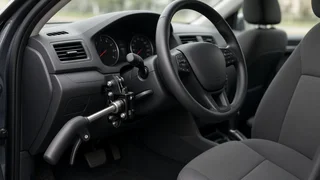
Aftermarket Digital Car Key Retrofit
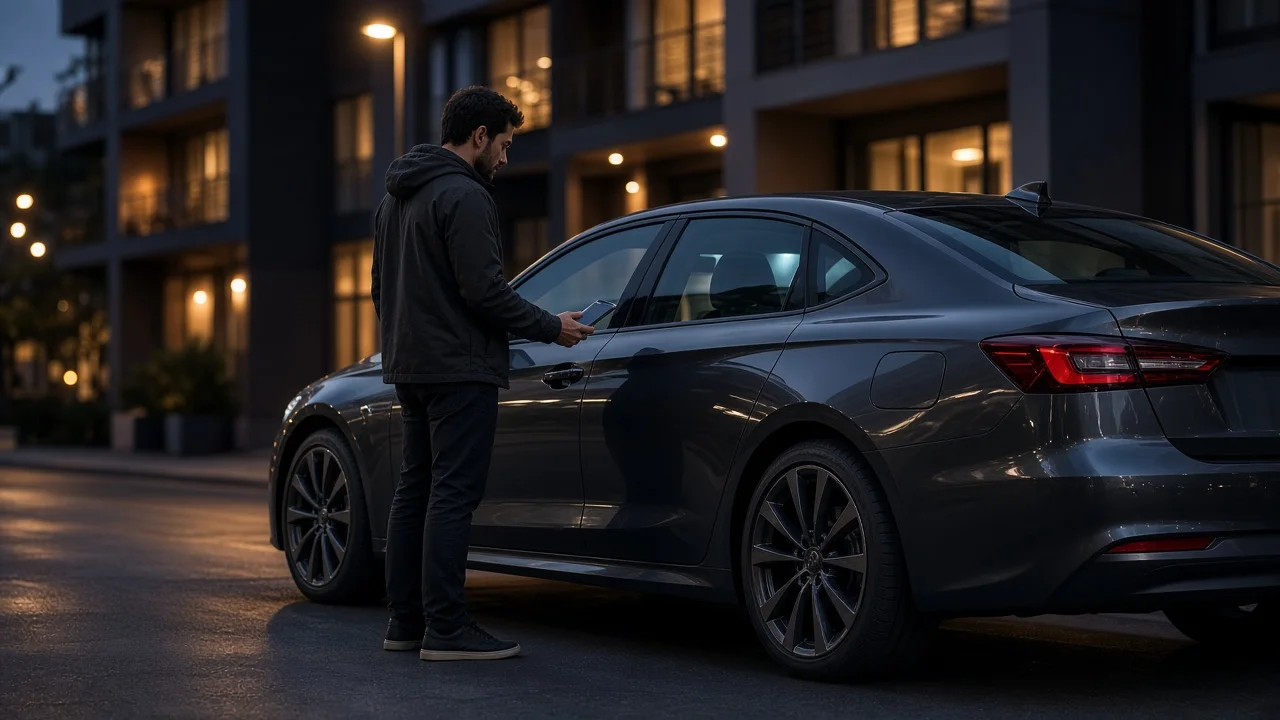
Choosing an aftermarket digital car key retrofit means weighing convenience against how your vehicle actually controls access. A retrofit can add phone-based entry, shared access, or keyless operation, but compatibility depends on the existing mechanical key, remote transmitter, immobilizer, and programming path. For owners researching a digital car key aftermarket option, the practical question is not whether the idea is appealing but which kit can integrate cleanly with the current system without weakening theft protection or creating a lockout risk.
The direct answer
The direct answer is that an aftermarket digital car key retrofit is possible on many vehicles, but it is conditional rather than universal. The upgrade generally works by adding a module that communicates with the vehicle’s locking system, often alongside the original remote transmitter or a retained mechanical key. The strongest candidates are vehicles with power door locks and an existing remote entry system, because the module can tap into lock and unlock signals. Vehicles that rely only on a manual key typically require more wiring or a separate actuator, which changes the installation scope.
Compatibility also depends on the immobilizer. A phone-based retrofit may unlock doors and start accessories, but it cannot simply bypass a transponder-based immobilizer without a valid key or an approved programming method. In many installations the original key remains in or near the vehicle to satisfy the immobilizer, which can reduce security and may affect insurance expectations. Because manufacturer-dependent behavior varies, a buyer should confirm whether the kit supports the specific platform and whether proof of ownership is required before programming is available.