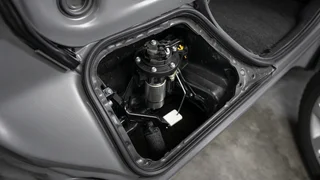
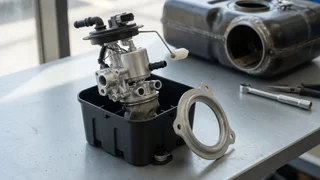
Aeromotive 340 Stealth In-Tank Fuel Pump (11569)
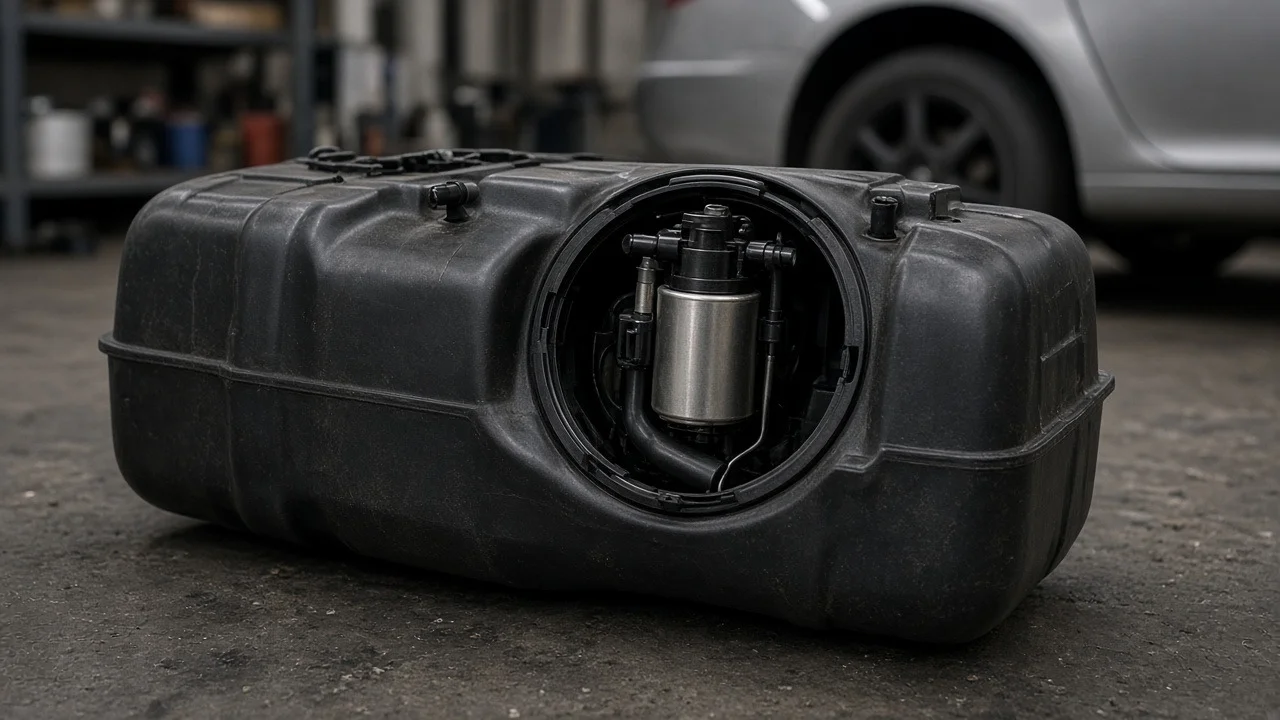
Choosing an in-tank fuel pump for a performance build means matching flow, pressure, and installation requirements to the vehicle's fuel system. The Aeromotive 340 Stealth In-Tank Fuel Pump (11569) is commonly researched by owners who need a reliable 340lph delivery solution without the complexity of an external pump. Understanding how this pump behaves under load, what supporting components matter, and how to verify fitment helps you buy with confidence. This guidance explains the key operating principles and practical checks for evaluating the Aeromotive 340 Stealth as a replacement or upgrade.
The direct answer
The Aeromotive 340 Stealth In-Tank Fuel Pump (11569) is engineered as a high-flow in-tank pump for EFI applications that require more volume than a stock pump can supply. Its design focuses on maintaining stable fuel pressure and consistent delivery under acceleration, cornering, and high engine load. Buyers typically consider it when adding forced induction, larger injectors, or other fuel-system upgrades. A definite purchase answer depends on your fuel type, tank depth, and existing wiring and regulator, but this pump occupies a well-established middle ground between stock replacement units and larger inline or brushless systems.
Before buying, confirm that your fuel pump hanger, tank opening, and electrical circuit can support the pump's current draw and physical dimensions. The part number 11569 identifies a specific kit or configuration, so verify compatibility with your application rather than assuming universal fitment. Healthy fuel pressure at the rail, a clean fuel filter, and proper voltage are necessary for the pump to perform as intended. If the vehicle already shows signs of pressure drop or lean fuel trim under wide-open throttle, a higher-volume pump may address a genuine flow deficit once the rest of the fuel system is confirmed sound.