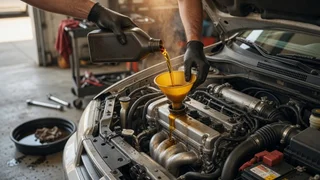
Adding engine oil while the engine is hot
Adding engine oil while the engine is hot is a common roadside and driveway question, and the short answer is usually yes with sensible precautions. Hot oil thins, drains back to the pan at a different rate, and gives a level reading that can differ from a cold check. The key is distinguishing the normal warm-engine oil service from an overheated engine, avoiding burns, and preventing an overfill that raises crankcase pressure or forces oil past seals. Understanding temperature, drain-back time, fill quantity, and the correct lubricant specification makes the difference between a safe top-up and a misread level.
Essential answer
You can add oil while the engine is hot if the vehicle is shut off, the hood is opened carefully, and the oil cap or dipstick area is safe to touch. A warm engine is often the condition right after driving, when most of the lubricant has drained back to the sump but the block and cylinder head are still heat-soaked. The main qualification is not the oil temperature alone but the risk of contact with hot metal, coolant hoses, or a pressurized cooling system. For a normal top-up, waiting a few minutes after shutdown lowers that risk without making the level check invalid.
A hot level reading is not exactly the same as a cold reading because oil expands with heat and some volume remains clinging to the upper valvetrain and drain passages. That is why a brief settling period matters more than waiting for the engine to cool completely. When the dipstick shows oil at or below the lower mark on a warm engine, adding a partial quart at a time prevents overshooting the fill quantity. The approved lubricant specification still applies, because heat does not make an incorrect grade acceptable in a modern engine.