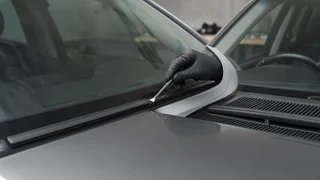
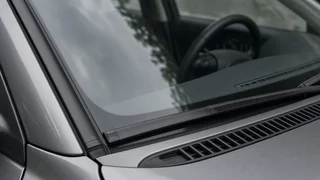
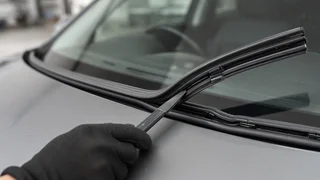
Acura RSX windshield molding
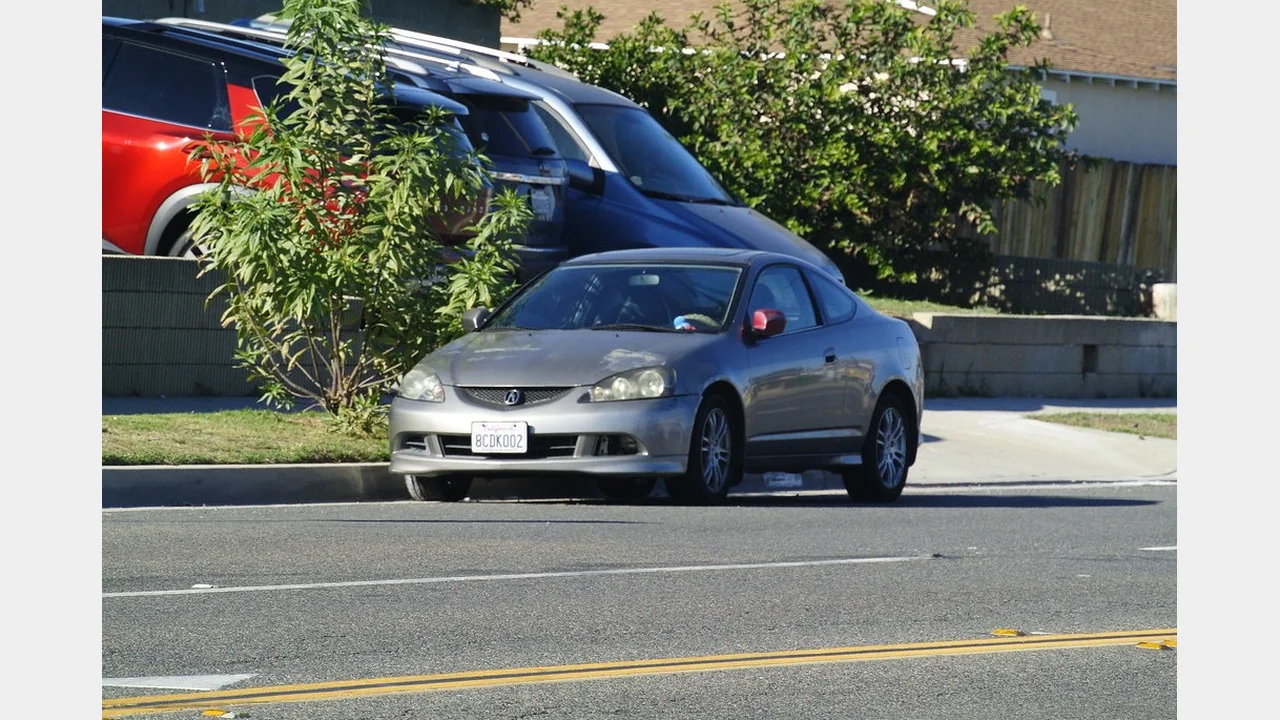
Windshield molding on an Acura RSX is the trim strip and seal assembly that bridges the glass edge to the roof and A-pillar sheet metal. Owners often notice cracking, lifting, shrinkage, or a gap forming between the molding and the glass, which raises immediate questions about water ingress and long-term glass fitment. The part is primarily cosmetic retention trim, but its degrading seal condition can still affect wind noise and moisture control. Understanding how this molding works—and what deterioration does not automatically mean for the windshield itself—helps an owner evaluate repair priority and avoid replacing still-sound glass.
Essential answer
The essential answer is that the RSX windshield molding is a perimeter trim piece that finishes the joint between the windshield and the body, and it is commonly replaced independently of the glass. On many examples the factory molding is a rubber or rubber-coated plastic channel that dries, shrinks, and pulls back at the corners over time. This change is not by itself proof of a leaking windshield, but it does mean the seal condition at the glazing edge deserves inspection, especially where the molding has lifted enough to expose the underlying adhesive bed or pinch weld.
Typical wear patterns appear as cracked sections near the roof line, short corner pieces that no longer reach the original gap, or molding that catches a wiper or creates wind noise at speed. When the molding remains securely attached and the glass fitment is stable, the primary concern is cosmetic. However, water that runs into an open molding gap can sit against the adhesive joint and eventually contribute to water ingress or corrosion at the cowl area. A visual check of the molding edges and a careful look for dampness inside the cabin are useful first steps before deciding between trim replacement and full glass service.