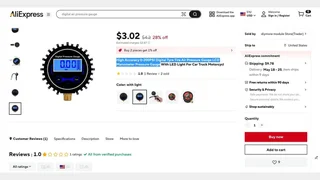
Accu-Gage Tire Pressure Gauge
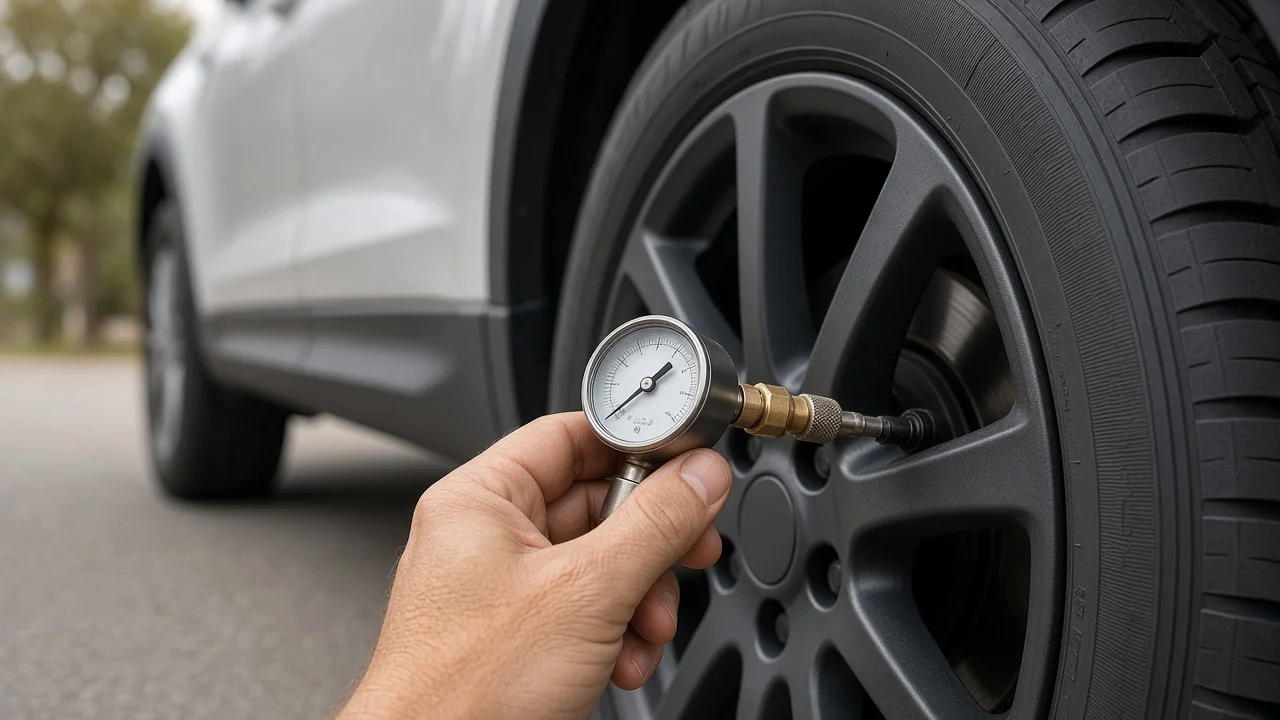
Choosing an Accu-Gage tire pressure gauge means looking beyond the dial or digital display and matching the tool to how it will be used. The right low pressure tire gauge rewards consistent placement on the valve, a suitable measurement range, and clear units. For most drivers, that starts with understanding accuracy, calibration, and vehicle specification. A gauge that is easy to read and comfortable to hold is worth more than a generic accessory because tire pressure affects steering feel, braking response, fuel consumption, and tread life. The following guidance explains what to check before purchase.
The direct answer
An Accu-Gage tire pressure gauge is generally a practical choice when the measurement range suits the tires being checked and the connection feels secure on the valve stem. Look for a scale that places your normal pressures in the middle of the range rather than at the extreme, because analog gauges often show their best consistency in that working zone. A low pressure gauge is especially useful for off-road, ATV, trailer, or other applications where small changes of a few psi matter and a standard passenger car gauge may not resolve them clearly.
Accuracy depends on design, condition, and storage, so treat the gauge as a reference tool rather than an absolute laboratory instrument. Confirm that the display shows the units you expect, whether psi, kPa, or bar, and that the needle or screen settles without excessive jump. A light hiss during connection usually means the gauge is opening the Schrader valve, but a firm straight push should quiet it. If the reading drifts after settling, the connection or internal mechanism needs attention.