1990s Japanese Car Culture: What It Was and Why It Still Matters
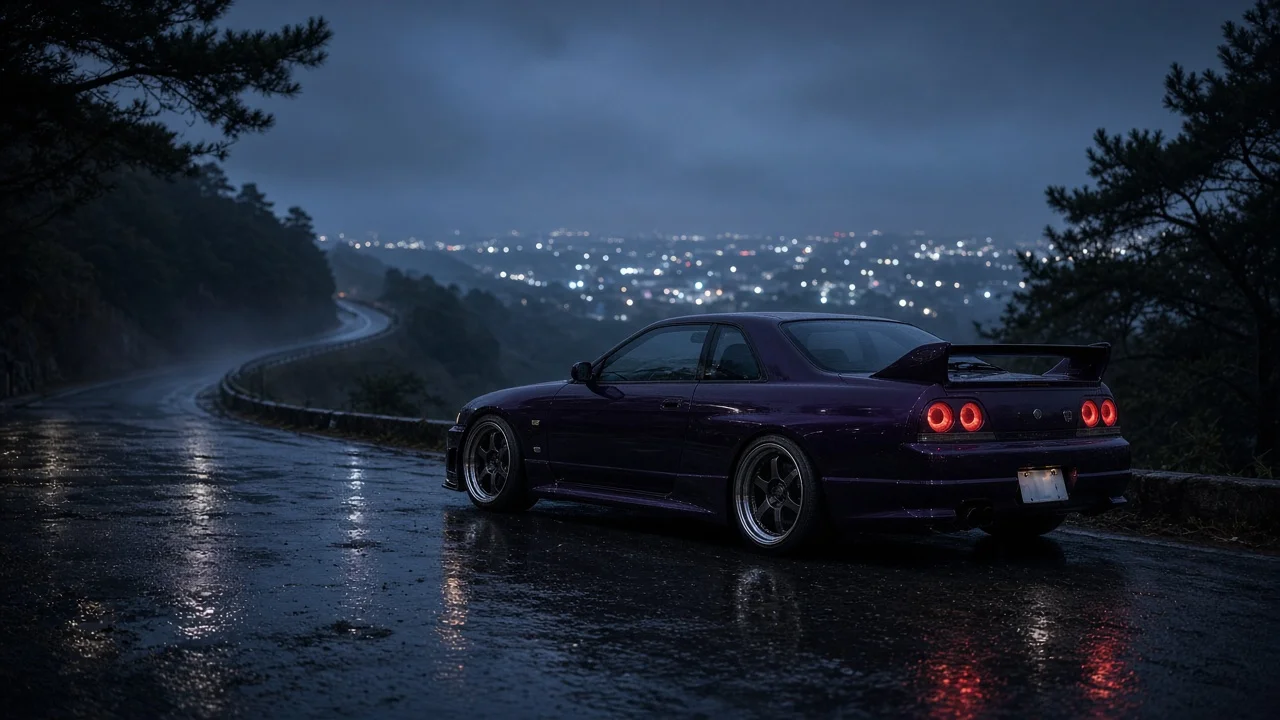
1990s Japanese car culture refers to two related movements. The first is the domestic scene in Japan, built around sports cars, tuning shops, magazines, videos, mountain-road driving and motorsport. The second is how those cars and ideas spread overseas, especially to the United States, where they shaped the import tuner scene and, much later, the collector market for Japanese-market cars. This guide explains what defined the era, which cars sit at its center, and how it differs from other car cultures. Any specific model's details depend on its model year, generation, trim and market, so the descriptions here stay general.
The Short Answer
In the 1990s, Japanese manufacturers produced an unusually large number of technically ambitious performance cars. Many featured turbocharging, all-wheel drive, rotary engines, four-wheel steering or high-revving naturally aspirated engines. Around these cars grew a culture that valued modification, driver skill and engineering detail more than straight-line muscle or luxury. Japan's domestic market (JDM) received many models and versions that were never officially sold in the US. That gap in regional availability is a large part of why the era is so mythologized among American enthusiasts today.
Why the 1990s Were Different
Most of the defining cars were planned during Japan's late-1980s economic boom, when manufacturers had the money and confidence to fund expensive engineering projects. Many reached showrooms in the early 1990s, around the time the economic bubble burst. As a result, the decade opened with an unusual concentration of flagship performance cars. Several of them were trimmed back, discontinued or not directly replaced as the decade went on and budgets tightened.
Another factor often cited is an informal agreement among Japanese automakers that capped advertised engine output at 276 PS, roughly 280 horsepower. Because official power figures clustered at that ceiling, manufacturers competed on handling, drivetrain technology and tuning potential instead. Enthusiasts widely believed that some engines made more than their rated output. That reputation, combined with robust engine designs, made these cars popular platforms for aftermarket modification.
The Defining Cars
No single list is definitive, but certain models come up again and again when people describe the era. They span several market segments and body configurations, from two-seat roadsters to four-door sedans. Powertrain options and equipment levels varied widely by generation and by market.
Category | Representative models | What they are known for; Flagship sports and grand touring cars | Nissan Skyline GT-R (R32, R33, R34), Toyota Supra (A80), Mazda RX-7 (FD), Honda NSX, Nissan 300ZX (Z32), Mitsubishi 3000GT / GTO | Advanced technology, turbocharged or high-revving engines, strong tuning reputations; Rally-derived sedans | Mitsubishi Lancer Evolution, Subaru Impreza WRX and STI | Turbocharged all-wheel-drive performance in practical four-door bodies; Rear-drive coupes | Nissan Silvia / 240SX, Toyota Chaser and Mark II, older Toyota AE86 Corolla | Popular for drifting and street tuning; Compact front-drive performance | Honda Civic, Honda Integra Type R, Honda CRX | Light weight, high-revving engines, central to the US import scene; Roadsters and small sports cars | Mazda MX-5 Miata, Honda Beat, Suzuki Cappuccino, Autozam AZ-1 | Light, affordable driving fun; the last three are kei cars built to Japan's small-car rules
Regional availability matters here. Cars like the Supra, RX-7, NSX, 300ZX, Miata, Civic and 240SX were sold in the US in some form. Others, including the Skyline GT-R, the 1990s Lancer Evolution and Impreza STI versions, the Silvia, and the kei sports cars, were mainly domestic-market models in that decade. Even shared models often differed between markets in engines, trim and equipment level.
The Scene Inside Japan
Japan's domestic car culture in the 1990s had several distinct branches. Some overlapped, but each had its own priorities and look.
Tuning shops: Specialist garages built and sold high-output engines, suspension and body parts, and their demo cars became celebrities in their own right. Drifting: Controlled oversteer, developed on mountain roads known as touge, grew into an organized motorsport. Rear-drive coupes were the favored tools. Highway racing: Some groups ran high-speed sessions on expressways, most famously the Wangan route around Tokyo Bay. This was illegal and dangerous, but it shaped the reputation of high-power tuned cars. Circuit and time-attack driving: Enthusiasts used race tracks to test modifications, and production-based racing series showcased cars like the Skyline GT-R. Style subcultures: VIP style, built on large rear-drive luxury sedans, and the older bosozoku and kaido racer styles focused on visual expression as much as performance.
Media tied these scenes together. Enthusiast magazines and video series showed tuned cars, track tests and driving technique to a wide audience. Toward the end of the decade, popular culture amplified the era further. The manga Initial D celebrated mountain-road driving, and the Gran Turismo video games let players around the world drive and modify Japanese-market cars they could not buy at home.
How It Took Root in the United States
In the US, 1990s Japanese car culture mostly took the form of the sport compact or import tuner scene. Affordable front-drive cars, especially Honda Civics and Integras, were modified with intake and exhaust upgrades, suspension work, engine swaps and, increasingly, turbocharging. Organized car meets, drag racing and car shows grew around these builds.
Because many headline cars were never officially sold in the US, American enthusiasts often knew them first through magazines, imported videos and video games. Some owners imported Japanese-market engines and parts to upgrade US-market cars, a practice that helped spread the JDM label as shorthand for authentic Japanese parts and styling. This overseas fascination grew into a mainstream trend in the early 2000s, but its roots lie in the cars and media of the 1990s.
How It Differs From Other Car Cultures
Compared with American muscle and hot rod culture: The emphasis was on balance, technology, turbocharging and handling rather than large-displacement engines and straight-line speed. Compared with European performance culture: Japanese cars of the era were generally seen as more affordable, more reliable and easier to modify, with a larger and cheaper aftermarket. Compared with later Japanese cars: Many 1990s models had relatively simple electronics, lightweight construction and analog driving feel, which enthusiasts often contrast with heavier, more electronically managed modern cars. Compared with the US import scene: The domestic Japanese scene leaned more toward rear-drive cars, drifting and high-power builds, while the US scene was heavily centered on front-drive compacts and drag racing.
Why the Era Is Popular Again
Interest in 1990s Japanese cars has grown as the people who grew up with the magazines, games and films became buyers themselves. In the US, a federal rule allows vehicles that were never certified for the American market to be imported once they are at least 25 years old. As each additional model year passes that threshold, more Japanese-market cars from the 1990s become legally importable. Prices, condition and legality can still vary by model and by state, so anyone considering a purchase should check the specific car and their local registration rules.
For prospective owners, the practical points are fairly consistent. Many surviving cars have been modified, so originality and build quality vary widely. Parts availability depends heavily on the model and whether it was sold in the buyer's market. Right-hand-drive Japanese imports may also involve different insurance, registration and inspection steps from US-market cars.
Key Takeaways
1990s Japanese car culture combined an unusual wave of technically ambitious sports cars with a lively tuning, drifting and media scene in Japan. Overseas, especially in the US, it became the import tuner movement and, decades later, a collector market fueled by nostalgia and the 25-year import rule. What sets it apart is its focus on engineering, modification and driver skill, and the fact that many of its most famous cars were, for years, out of reach for buyers outside Japan.