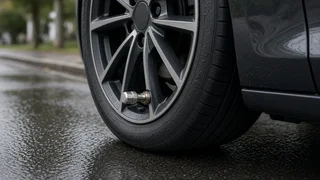
90-Degree Tire Pressure Gauge
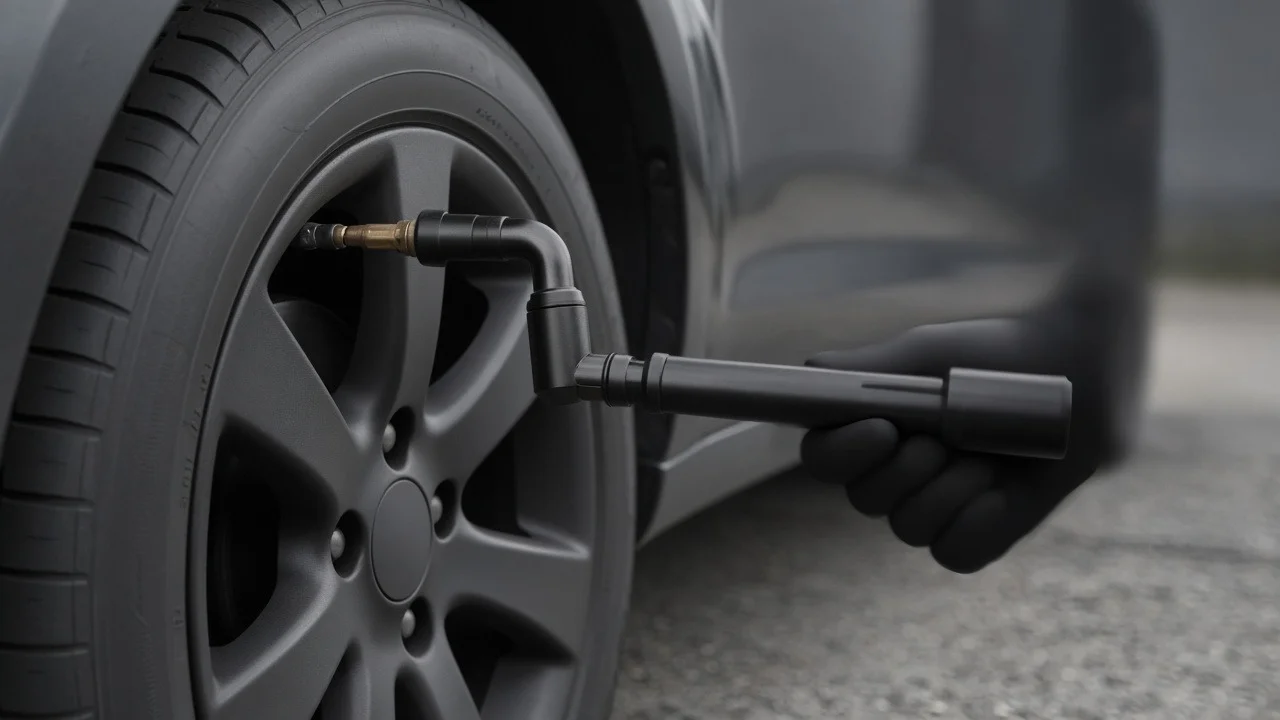
A 90-degree tire pressure gauge addresses one of the most common frustrations in driveway maintenance: reaching a valve stem that sits at an awkward angle behind a spoke, fairing, or hub. The right-angle chuck lets the gauge seat squarely on the Schrader valve without forcing the hose or scraping the wheel, which matters for both repeatable readings and convenience. When you shop for one, look past the angled head itself and evaluate the connection feel, the measurement range shown on the dial or display, and whether the gauge reads in psi or bar clearly enough for your vehicle specification.
The direct answer
The direct answer is that a 90-degree tire pressure gauge is worth choosing when you regularly check pressures on motorcycles, dual-wheel trucks, or wheels with tightly spaced spokes and recessed valves. The right-angle head improves access, but the gauge is only useful if its measurement range covers your tires and the connection seals without leaking. A typical passenger-car tire rises well into the 30s in psi, while truck and trailer tires can exceed 60 psi, so confirm the dial or digital scale spans the pressures shown on your vehicle specification before relying on it.
The important condition is that the angled form does not change how a pressure reading works. The seal still occurs at the valve core, so a firm, straight push onto the stem determines whether the reading is stable or drops between attempts. Also consider the expected accuracy and calibration. Digital modules often claim tighter tolerances than mechanical bourdon-tube gauges, but field use, dust, and rough handling affect both. A useful 90-degree gauge therefore combines a comfortable head angle with a readable scale and a connection that does not hiss when seated.