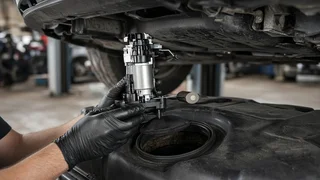
7 PSI In-Tank Fuel Pump for Carburetors
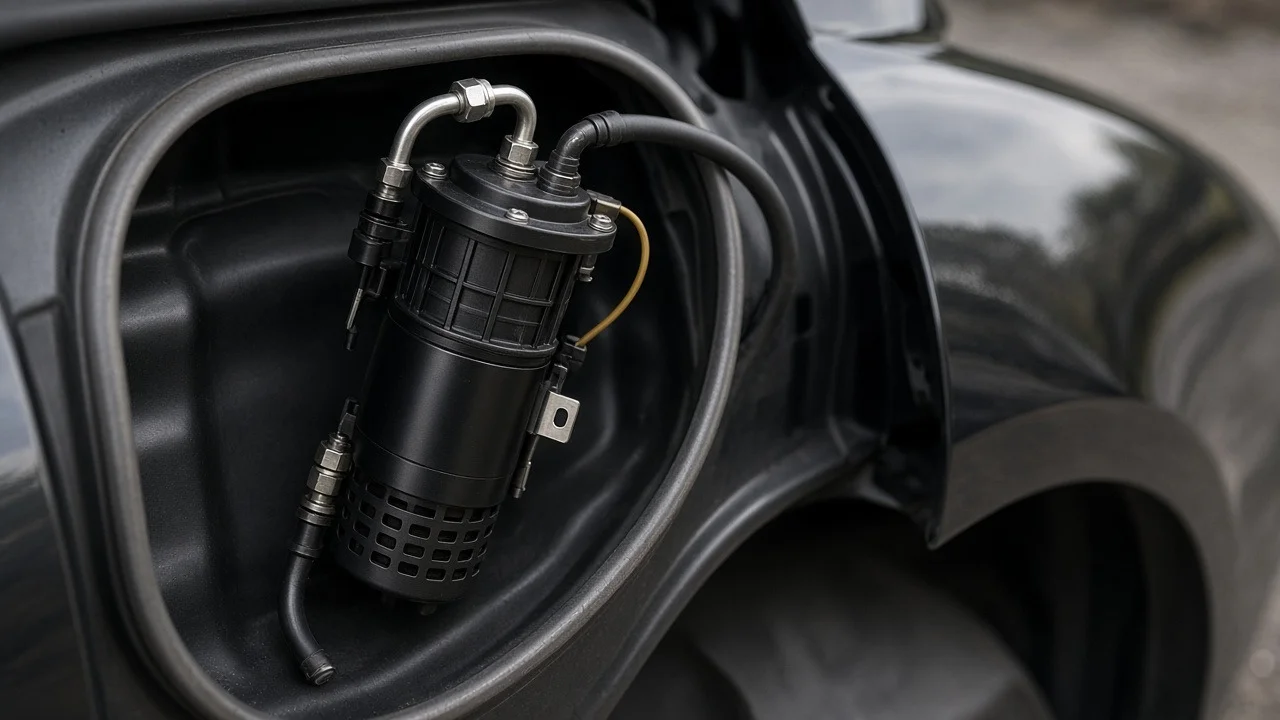
Choosing a 7 psi in-tank fuel pump often comes down to matching a carbureted fuel system's narrow pressure window. Carburetors rely on a stable, relatively low-pressure supply rather than the high-pressure pulse of electronic fuel injection. This article explains what a 7 psi rating means, why the in-tank location matters, and how to judge a pump's suitability for your vehicle. The goal is to give you the practical context needed to evaluate a purchase without repeating generic sales language or unsupported specifications.
The direct answer
A 7 psi in-tank fuel pump is primarily intended for carbureted engines because most carburetor needle-and-seat assemblies manage fuel delivery well at this modest pressure. Unlike EFI systems that depend on a high-pressure rail and electronic injectors, a carburetor uses a float bowl. The fuel level in that bowl, not pump pressure alone, determines the air-fuel mixture. If supply pressure climbs too far above the carburetor's design range, the needle valve can be forced open, causing flooding, a rich cold-start mixture, and rough running.
The in-tank mounting matters because it keeps the pump submerged in fuel, which cools the motor and often reduces vapor lock compared with an external pump pulling fuel through a long line. When shopping, verify that the pump is genuinely rated for continuous low-pressure operation rather than being a high-pressure EFI pump with a bypass regulator. A pump sold specifically as a 7 psi unit should meet that need, but the exact pressure at the carburetor inlet may shift with line length, filter restriction, and return-line configuration. Confirm your vehicle's fuel-system layout before buying.