4JG2 Engine Oil Capacity: Specifications, Service Notes and Ownership Guidance
Direct answer and scope
The 4JG2 is a 3.1-litre indirect-injection four-cylinder diesel engine used mainly by Isuzu in light trucks and SUV applications from the 1990s into the early 2000s. The commonly documented oil capacity for a 4JG2 with the standard sump is about 6.0 litres including the oil filter. The capacity is not identical in every vehicle, because dipstick calibration, sump shape, oil cooler plumbing and aftermarket replacement parts can shift the refill volume by several hundred millilitres. The essential answer is therefore: start with roughly 5.5 litres after draining and changing the filter, then top up in small increments to the full mark. Total capacity is usually between 5.5 and 6.5 litres depending on installation.
Capacity variation by application and sump
The 4JG2 was fitted to vehicles including the Isuzu Trooper, Bighorn, Rodeo and TF-series pickup, often with minor differences in the oil pan and dipstick tube. For a stock passenger-vehicle installation, service literature commonly lists the refill capacity as 6.0 litres with filter. Some heavy-duty or commercial sumps increase the capacity closer to 6.5 litres, while a dry engine after overhaul can require slightly more because the oil galleries and turbocharger feed lines are empty. Material uncertainty exists for non-factory sumps and for engines swapped into different chassis, so the dipstick remains the decisive reference.
What the capacity number includes
The stated capacity normally assumes the engine oil and filter are drained together, with the vehicle level and the old oil fully warm before draining. It includes the volume held in the oil filter and, where fitted, the factory oil cooler and lines under normal running conditions. It does not include residual oil trapped in the turbocharger, oil cooler or cylinder head unless the engine has been disassembled. If only the oil is drained and the filter is left in place, the refill volume is typically about 0.4 to 0.6 litres lower.
Oil grade and service considerations
The 4JG2 was designed around diesel-rated oils with detergency and soot-handling properties appropriate for indirect-injection combustion. In temperate and warm climates, a 15W-40 diesel oil meeting a specification such as API CI-4 or a comparable JASO diesel category is commonly listed. In cold conditions, a 10W-30 or 5W-40 diesel oil can improve cold cranking and turbocharger oil supply. The exact viscosity range depends on the market and ambient temperature, and using an oil without adequate diesel detergency can shorten the interval between changes.
Checking the oil level correctly
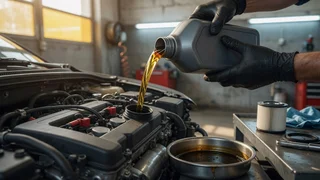
After a refill, run the engine for about 30 seconds to fill the filter and oil galleries, shut it down, wait several minutes for oil to return to the sump, and only then read the dipstick with the vehicle on level ground. This sequence avoids a false low reading immediately after a filter change and prevents overfilling, which can raise crankcase pressure and damage seals. Because dipstick markings can be difficult to read on older engines, wipe the stick clean and repeat the check once before deciding whether more oil is needed.
Practical fill procedure
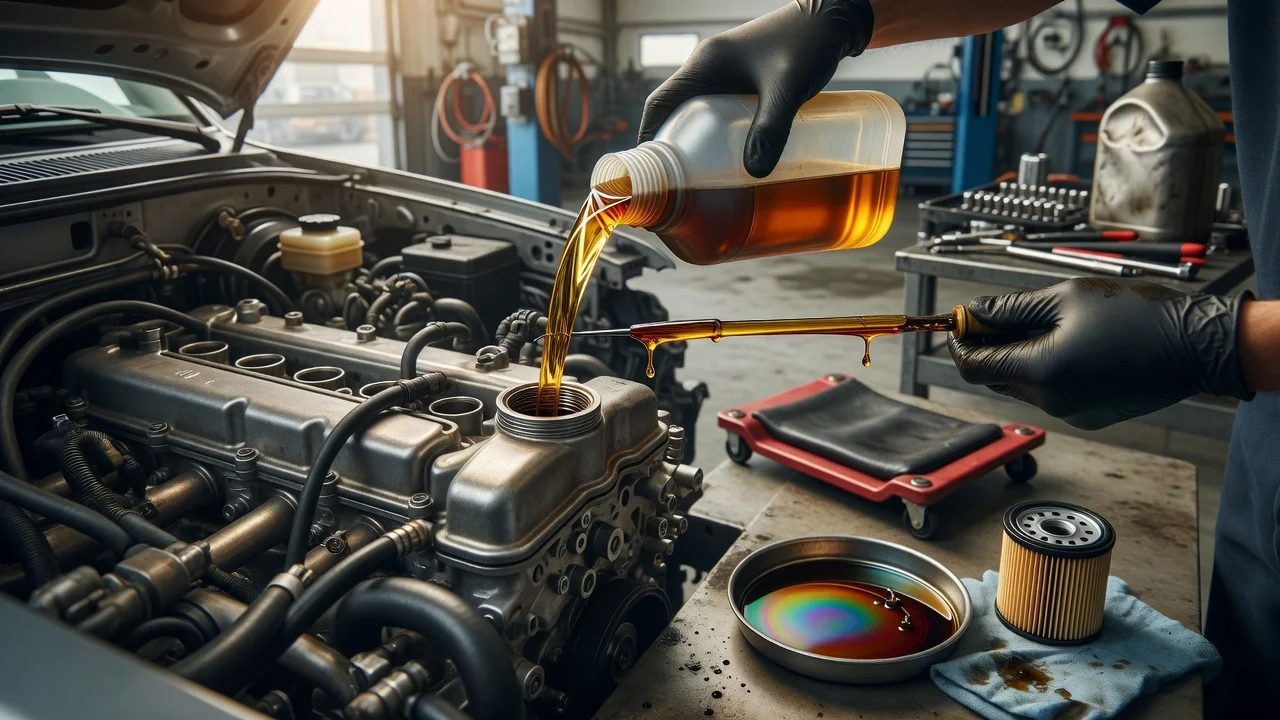
A conservative procedure is to add 5.0 litres, start the engine briefly, check for leaks, then add 0.5 litre at a time until the level sits between the low and full marks. The final top-up is often only 0.2 to 0.3 litre. Recording the total amount that brings the level to full on your specific vehicle gives a repeatable reference for future changes, provided the oil filter and sump remain unchanged.
Common ownership mistakes
One common error is treating the 6.0-litre figure as the amount to pour without checking the dipstick on a cooled, settled engine. Another is changing the oil without changing the filter and then adding the full filter-inclusive capacity, which can lead to overfilling. A third is using a gasoline-only passenger-car oil, which may lack the dispersant and anti-wear package needed by a diesel with high soot loading. None of these points imply that the 4JG2 is fragile; they simply affect how much oil the engine needs and how cleanly it operates between services.
Bottom line
Use 6.0 litres including filter as the working reference for a standard 4JG2 installation, but expect the true refill volume to land between approximately 5.5 and 6.5 litres depending on sump type, oil cooler equipment and residual drainage. The dipstick, read after a brief run and a settling period, is the final authority. Keep a consistent oil specification and filter for future changes so the same measured refill remains reliable.