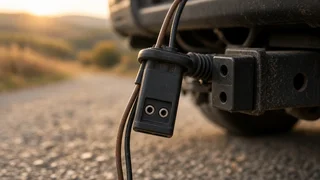
4-pin trailer connector and receivers with connector mount

Choosing a trailer hitch 4 pin connector means matching the receiver’s mounting point to the trailer’s lighting circuit so turn signals, brake lamps, and tail lamps work predictably. The search often starts with a specific trailer hitch receiver with 4-pin connector, but the real decision depends on how the bracket positions the socket, how the vehicle’s wiring reaches it, and whether the connection stays clean and secure under load. A suitable setup reduces dangling wires, keeps the plug accessible, and supports consistent trailer light operation without turning a simple tow into a roadside electrical problem.
The direct answer
A trailer hitch 4 pin connector should be selected as part of the receiver and connector mount, not as an isolated plug. The immediate choice is a receiver tube that includes a welded or bolted bracket near the hitch opening so the standard flat-four socket can be installed without drilling into bumper fascia or leaving the harness hanging near the safety chains. If the receiver already has a mounting ear, the correct move is to confirm the connector’s molded tab or backing plate lines up with that bracket before purchase.
The condition that changes the answer is vehicle wiring access. Even the best trailer hitch receiver with 4 pin connector will not help if the tow harness cannot reach the socket cleanly. Buyers should look under the rear bumper before ordering and note whether a factory connector, T-connector, or length of bonded four-wire cable can reach the mount without sagging near the exhaust or spare tire. A receiver with a rear-facing socket pocket is usually the most serviceable arrangement.