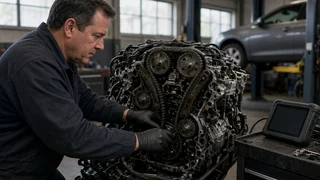
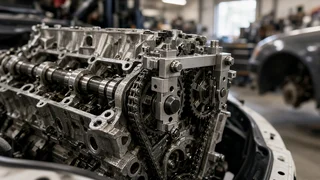
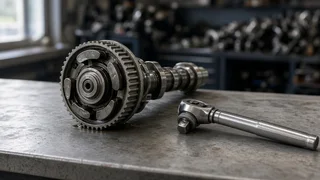
3.6 Pentastar Timing Chain
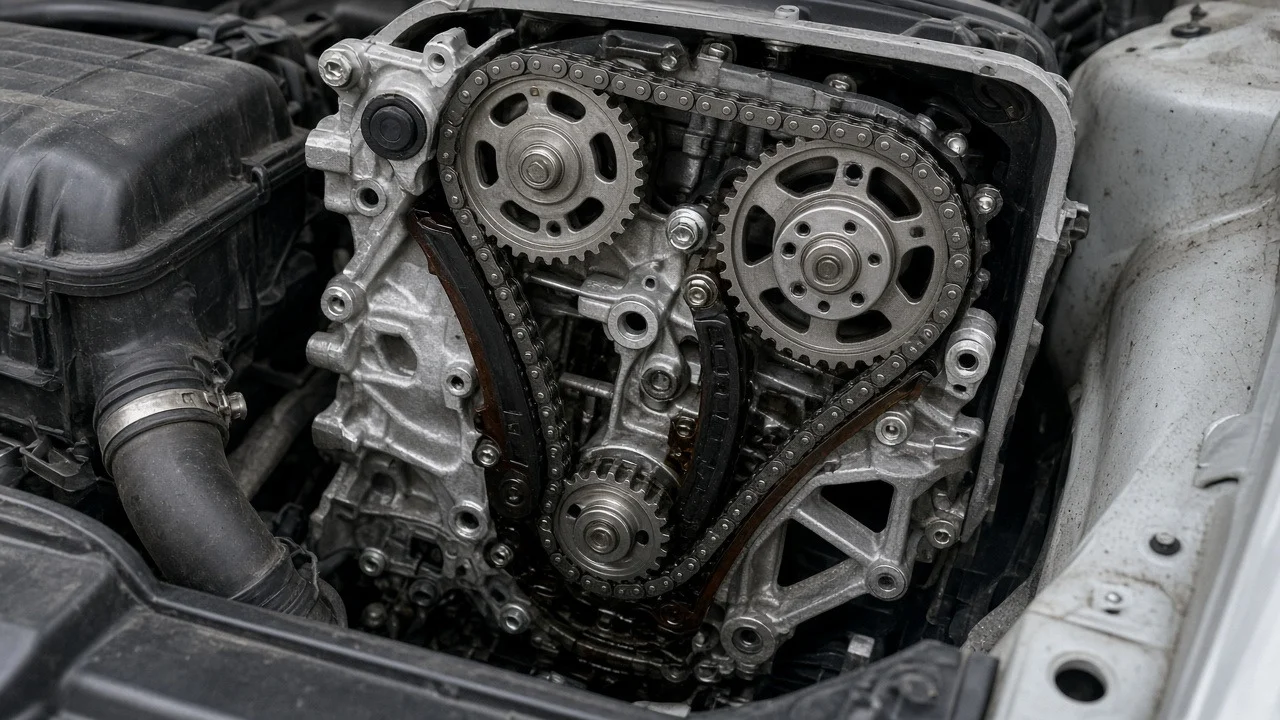
The 3.6 Pentastar engine timing chain plays a central role in keeping camshafts and crankshaft synchronized, but wear and oil-related faults can produce subtle warning signs before outright failure. Owners researching this system usually hear rattles, notice diagnostic codes, or want to understand whether a chain, tensioner, or guide is the likely source. Because engine configuration and service history change how symptoms appear, the same noise can point to different repairs. Manufacturer specifications and careful inspection matter more than a single fault code, since codes confirm a monitored condition but do not identify the failed part by themselves.
Essential answer
The 3.6 Pentastar engine timing chain is the internal link that coordinates valve timing with piston movement across both cylinder banks. In this V6 engine configuration, the chain works with tensioners, guides, and sprockets to maintain precise camshaft phasing. Wear, oil pressure loss, or a failing tensioner can create the cold-start rattle many owners describe. The essential point is that timing chain complaints are diagnostic clues, not automatic proof that the chain itself has stretched beyond a service limit. The supporting parts around the chain often age differently and may explain the symptom.
Symptom conditions matter when evaluating this system. A brief rattle during cold start can point to a tensioner that takes a moment to build oil pressure, while a persistent rattle under load may indicate more advanced wear. Diagnostic codes related to camshaft or crankshaft correlation should be read as evidence to interpret rather than a mandate to replace the chain. A useful next step is to review service history and inspect the accessible timing components under the manufacturer specifications for the specific model year, since manufacturer-dependent calibration and design revisions affect how symptoms should be approached.