2017 Honda Accord tire bead TSB (ATS 180602)
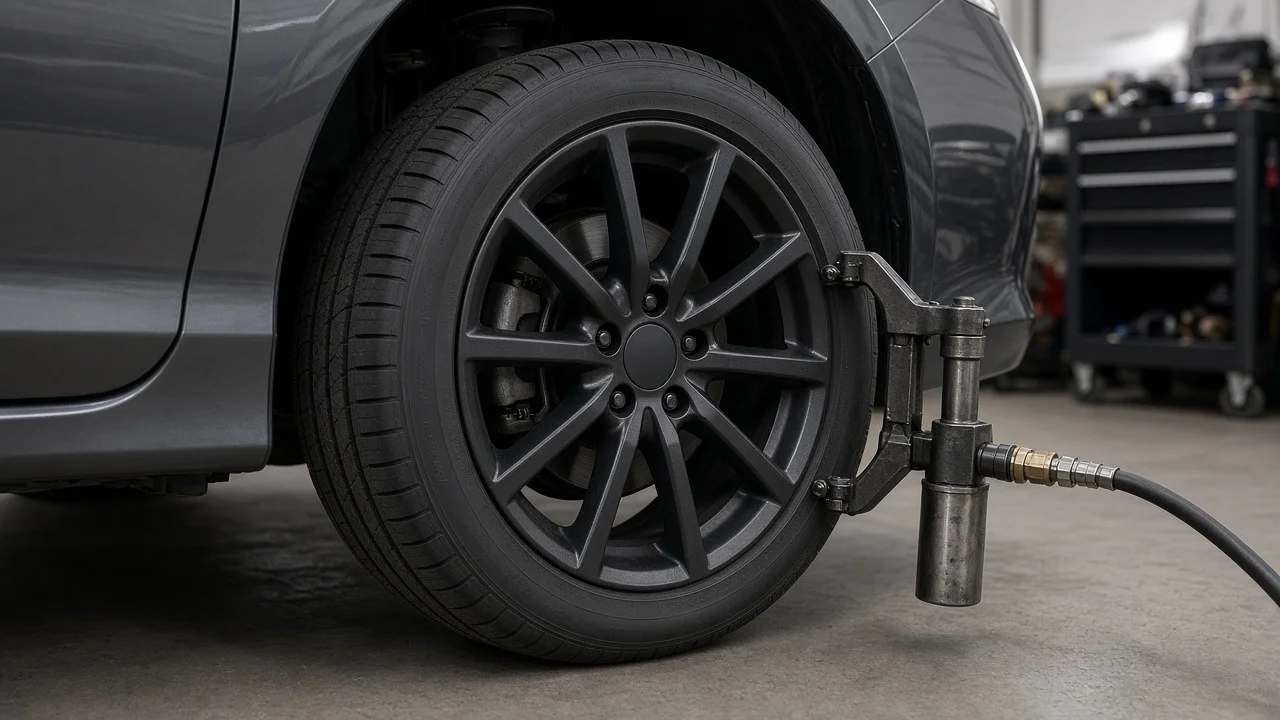
A tire bead concern on a 2017 Honda Accord can feel like a slow air loss, a vibration that changes with speed, or a rim that will not hold a consistent inflation pressure. When drivers search for the bead-related bulletin identified as ATS 180602, they are usually trying to separate a normal tire-size or tread-depth issue from a specific rim-sealing problem. Understanding how the bead seats against the wheel, and where the bulletin may or may not apply, helps a technician or owner decide whether the repair should focus on corrosion, mounting lubricant, the valve area, or the tire itself.
Essential answer
The phrase “2017 Honda Accord tire bead TSB bulletin ATS 180602” points to a technical service bulletin-style reference about tire bead seating, but the designation alone does not confirm a defect or a required repair. A TSB is a diagnostic aid, not a recall, and the number may be dealer-specific or regional rather than a universal Honda publication. For an Accord owner, the essential answer is that a bead-related slow leak should first be inspected as a sealing condition at the wheel flange, not automatically treated as a failed tire.
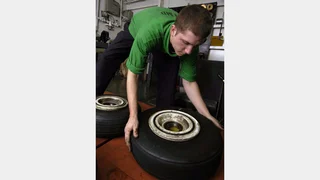
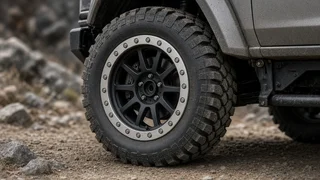
Tire beads rely on inflation pressure to push the rubber toe firmly into the rim’s bead seat. When that seal is interrupted, the cause can include corrosion on the barrel, leftover mounting lubricant, a damaged bead from dismounting, or a tire whose size, load index, and speed rating do not match the vehicle placard. Drivetrain compatibility does not directly alter bead sealing on a front-wheel-drive Accord, but using a wrong-section-width tire can stress the sidewall and reduce the contact pressure at the rim, making a marginal bead more likely to weep air.