2014 Nissan Rogue Sunroof Drain Tubes
Water staining the headliner or damp carpet in a 2014 Nissan Rogue often points to the sunroof drain tubes rather than the glass seal. These narrow channels route water from the sunroof tray down through the body, and when they clog, disconnect, or crack, the water backs up into the cabin. Because this model generation uses a full-length roof opening on many trim levels, the drain path is long and easily affected by debris. Understanding how the tubes work and where they fail helps an owner separate a simple clog from a leaking connection or a torn hose before interior damage spreads.
Essential answer
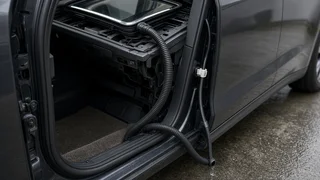
The 2014 Nissan Rogue sunroof drain tubes are flexible channels that carry rainwater and wash water from the roof opening to exit points near the wheel areas or rocker panels. They are part of the sunroof drainage system, not the glass weatherstrip. The essential answer for most owners is that a wet headliner, moisture in the front or rear footwells, or water dripping from the grab handle area usually means a drain path is obstructed or detached. The sunroof glass is designed to let a small amount of water pass into a surrounding tray, so the tubes must remain clear and connected to direct that water outside. A blocked tube is the most common starting point, but the exact location depends on where the water appears.
No single symptom proves that a tube has failed. Debris such as leaf fragments, pine needles, or dust can collect inside the narrow hose and slow the flow until water overflows at a tray corner. A hose can also pull away from the sunroof frame or from the lower body fitting, allowing water to run behind interior trim instead of exiting through the designed drain. On this model, the problem can appear long after the vehicle is parked because water trapped in the rocker or lower hose may seep out slowly. Checking each corner of the roof opening and watching how water travels along the tubes is a practical first step before replacing parts.