2013 Chevy Silverado oil pressure low stop engine warning
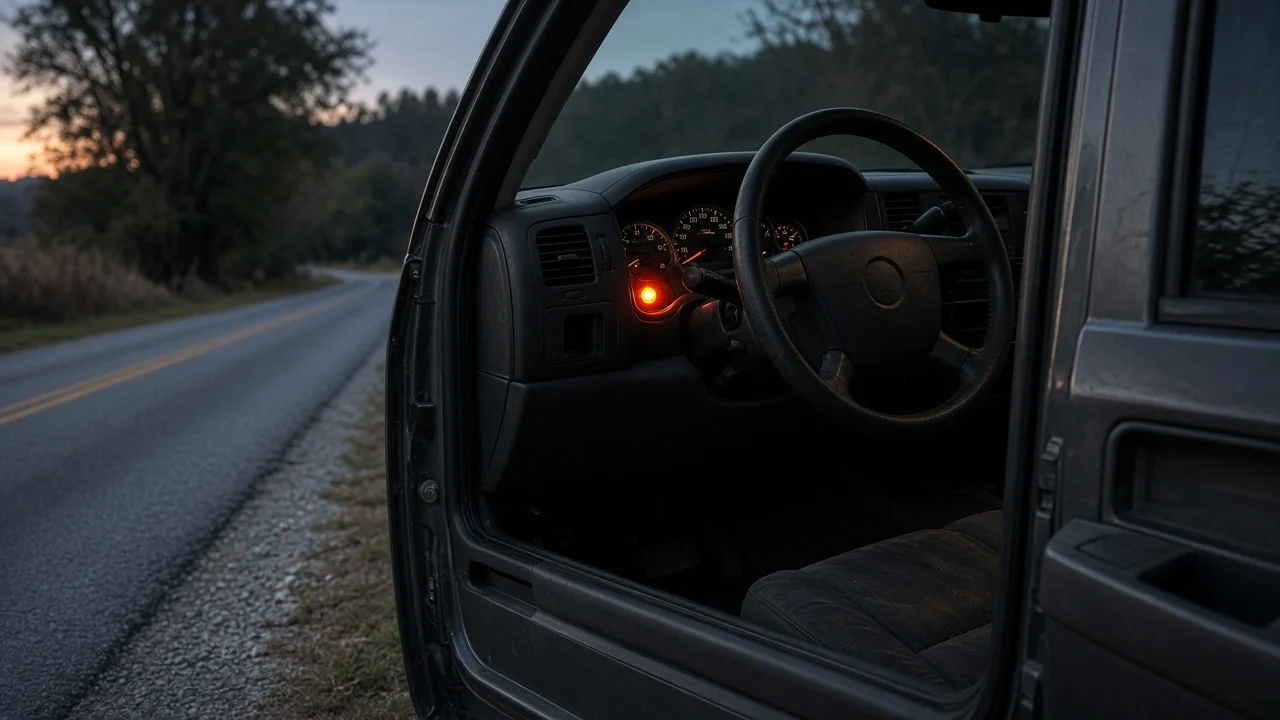
A “2013 Silverado oil pressure low stop engine” alert means the powertrain control system sees oil pressure below the safe threshold for continued operation. On a 2013 Chevy Silverado, this warning differs from a simple oil level reminder: it appears after pressure has already fallen enough to threaten bearing surfaces and valvetrain components. Because the message tells the driver to stop the engine, it should be treated as a hard operating limit rather than a maintenance suggestion. Understanding why the warning appears requires separating pressure from oil level, since a full crankcase can still lose pressure. The following sections explain the direct meaning and practical diagnostic checks to narrow the likely causes.
Essential answer
The essential answer is that the warning indicates low oil pressure, not merely low oil volume. Oil pressure is created when the pump pushes lubricant through tight bearing clearances and hydraulic circuits. When that resistance drops, pressure falls even if the oil pan still holds the correct fill quantity. On a Silverado, the message usually appears after the oil pressure sensor or switch reports a value below the calibrated warning point. The signal can mean a genuine lubrication failure, but it can also reflect a faulty reading. The warning is a demand for verification, not automatic proof that the engine is destroyed.
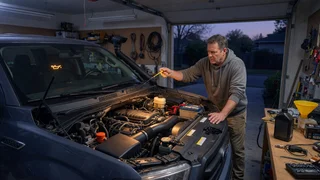
Because the warning says “stop engine,” the immediate task is to shut the truck off and check the oil level once the vehicle is parked safely. If the level is normal, the problem may involve a failing oil pump, a stuck pressure relief valve, a restricted pickup screen, or a worn bearing that allows fluid to escape too quickly. A low reading could simply be the result of oil consumption or an external leak, but adding oil should not be treated as a complete fix until pressure is confirmed. The message is a symptom with several possible sources.
Diagnosing a problem
The first diagnostic step is a basic level check on flat ground after the engine has been off briefly. If the dipstick shows low oil, topping up to the full mark is reasonable, but the driver still needs to watch whether the warning returns. Oil level and oil pressure are related, yet a full crankcase does not guarantee adequate pressure. Overfilled oil can be whipped into foam by the crankshaft, which also reduces pressure, so the fill quantity should match the range shown on the dipstick. Using the wrong lubricant specification can create low pressure at operating temperature, especially if the oil is excessively thin.
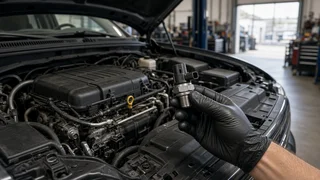
A mechanic can distinguish a sensing fault from a lubrication fault by installing a mechanical test gauge in place of the sending unit. If the gauge shows normal pressure while the warning remains active, the sensor or its circuit is the likely problem rather than the pump or bearings. If the gauge confirms low pressure, the engine should not be run unnecessarily because continued operation can score cam journals and rod bearings. In that situation the next checks are oil pickup restrictions, pressure relief valve condition, or internal wear. Any heavy knocking that accompanies the warning makes the case for stopping use and obtaining professional diagnosis stronger.