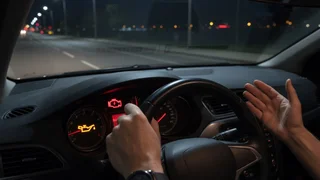
2012 Honda CR-V Battery Warning Light On: What It Means and What to Check

The short answer
When the battery-shaped warning light comes on while a 2012 Honda CR-V is running, it generally signals a problem with the charging system, not necessarily with the battery itself. The charging system is the alternator, which generates electricity while the engine runs, plus the drive belt that turns it, the battery, and the wiring, fuses and ground connections that link them. If the light stays on, the vehicle may be running on stored battery power alone, and it can eventually lose electrical power and stall.
One qualification changes the answer: it is normal for this light to come on briefly when the ignition is switched on, before the engine starts, as a bulb check. That is not a fault. The concern is a light that stays on, comes on while driving, or flickers with the engine running.
This guide covers the 2012 model year CR-V. The material available for this article does not include Honda's model-specific service specifications, such as exact charging voltage ranges, belt part details or diagnostic trouble code definitions for this vehicle. Where those details matter, confirm them in the owner's manual or Honda service information, or with a qualified technician.
What can cause the battery light to come on
Several different faults can trigger the same warning. They range from simple, inexpensive fixes to component replacement:
Loose, corroded or damaged battery terminals or cables, which interrupt the flow of current between the battery and the rest of the system. A worn, loose, cracked or broken drive belt (also called the serpentine or accessory belt), which can stop the alternator from turning properly. A failing alternator, including worn internal parts or a faulty voltage regulator, the component that controls the alternator's output. A blown fuse, damaged wiring or a poor ground connection in the charging circuit. A battery that is weak, damaged or near the end of its service life, which can contribute to charging problems even though the light is mainly a charging-system warning.
What to check next
Work from the simplest observable checks toward tests that need tools. With the engine off and the key removed, the following steps can help narrow down the cause.
1) Note how the light behaves
A light that stays on steadily while driving suggests the system is not charging at all. A light that flickers, or appears mainly at idle or when electrical loads such as headlights, blower fan or rear defroster are switched on, can point to an intermittent connection, a slipping belt or an alternator that is beginning to fail. Dimming headlights, a weak-sounding horn, slow power windows or other warning lights appearing at the same time indicate that system voltage is dropping.
2) Inspect the battery terminals and cables
Look for white, green or bluish crusty deposits on the terminals, and check whether the cable clamps can be moved by hand. Corrosion or a loose clamp can cause both charging warnings and hard starting. Also look for a cracked, swollen or leaking battery case. A damaged battery should not be handled casually, because battery acid is corrosive and batteries can release flammable gas.
3) Inspect the drive belt
Check that the belt is present, seated on its pulleys and not visibly cracked, frayed, glazed (shiny and hardened) or missing ribs. A squealing noise, especially at startup or when turning on accessories, can indicate a slipping belt. If the belt has broken, the alternator and any other components driven by that belt will stop working, which is a reason to stop driving rather than continue to a later appointment.
4) Test battery and charging voltage
A digital voltmeter or multimeter connected across the battery terminals can compare the reading with the engine off against the reading with the engine running. A running reading that is no higher than the engine-off reading, or that falls as electrical loads are added, suggests the alternator is not charging. Compare your readings with the specification in Honda's service information, as that figure was not available for this article. Many auto parts retailers and repair shops can also perform a battery and charging system test, which evaluates the battery and alternator output separately.
5) Check fuses and look for stored fault codes
The owner's manual identifies the fuse boxes and the fuses related to the charging system. An OBD-II scan tool can show whether the engine computer has stored any diagnostic trouble codes. Treat any code as a lead to investigate, not as proof that a specific part has failed. A charging-related code can result from a wiring or connection fault just as readily as from a failed alternator, so the underlying circuit should be checked before parts are replaced.
What the results indicate
Observation | Likely indication | Suggested next step; Corroded or loose terminals | Poor connection interrupting charging | Clean and secure the terminals, then recheck the light; Cracked, slipping or broken belt | Alternator not being driven properly | Replace the belt; do not drive if it has broken; Running voltage no higher than engine-off voltage | Alternator or regulator not charging | Charging system test; possible alternator or wiring repair; Battery fails a load test but charging output is normal | Weak or worn battery | Battery replacement; Blown fuse or damaged wiring | Circuit fault | Repair the cause before replacing the fuse; Charging-related fault code | A fault detected somewhere in the circuit | Diagnose the circuit rather than replacing parts by code alone
Replacing the battery alone often does not solve the problem if the alternator, belt or wiring is at fault. A new battery may restart the vehicle temporarily, but it will drain again if the system is not charging.
When to stop driving or seek professional diagnosis
Pull over safely and turn off the engine, or arrange a tow, if any of the following occur:
The battery light appears along with a rising temperature gauge, steam or another warning light. The drive belt is broken or missing, or you hear a sudden loud squeal followed by a loss of accessory function. You notice a burning smell, smoke, or a hot, swollen or leaking battery. Headlights, gauges or other electrical systems are dimming or failing while you drive.
If the light is on but the vehicle otherwise seems normal, limit driving and reduce electrical load by switching off non-essential accessories, and have the charging system tested promptly. How far the vehicle can travel on battery power alone depends on the battery's condition and the electrical load, so it cannot be predicted reliably. Professional diagnosis is advisable if the simple checks show no obvious cause, if wiring or alternator testing is required, or if the light returns after a repair.