2011 Chevy Silverado oil pressure low stop engine warning

A low oil pressure warning on a 2011 Chevy Silverado is a serious alert that requires immediate attention. The message often appears as “oil pressure low stop engine” and means the lubrication system may not be delivering adequate oil to critical engine components. Continuing to drive under these conditions can cause rapid bearing, camshaft, and crankshaft damage. The warning can stem from several causes, including low oil level, a failing oil pressure sensor, or mechanical wear. Understanding the difference between a false reading and a genuine pressure loss helps owners respond safely and avoid unnecessary repairs.
Essential answer
When a 2011 Silverado displays an oil pressure low stop engine warning, the safest immediate response is to pull over, shut the engine off, and check the oil level once the vehicle is safely parked on level ground. The warning indicates that the engine control system has received a signal suggesting oil pressure has fallen below a safe threshold. While a faulty sensor or wiring issue can trigger the message, the risk of actual oil starvation is high enough that continued operation should be avoided until the basic checks are completed.
The appropriate next step depends on what the oil level check reveals. If the dipstick shows the oil is significantly low, topping up with an approved lubricant may restore pressure. If the level is normal and the warning persists, the problem is more likely related to the oil pressure sensor, its electrical circuit, or internal engine wear. In either case, the warning should not be dismissed as a routine dashboard nuisance because the consequences of ignoring genuine low pressure can include complete engine failure.
Diagnosing a problem
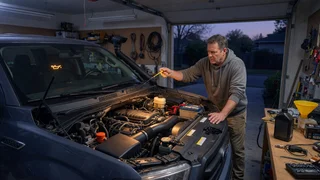
Begin diagnosis with the most accessible checks. Inspect the engine oil level and condition using the dipstick. Oil that appears excessively thick, sludgy, or smells heavily of fuel may indicate neglected service intervals or contamination that can reduce flow. Examine the area around the engine for fresh leaks near the oil filter, oil pan gasket, or valve covers. A puddle under the truck after it has been parked overnight suggests a slow leak that may have gradually lowered the oil level below the pickup tube.
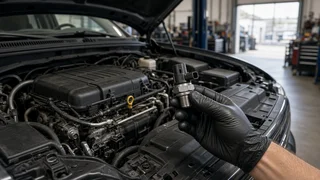
If the oil level and condition appear acceptable, the next area to consider is the oil pressure sensor and its connector. A sensor that is cracked, oil-soaked, or has damaged wiring can send an incorrect low-pressure signal to the gauge or warning system. Some owners may use a mechanical oil pressure gauge to verify whether actual pressure is low when the engine is warm at idle. A fault code is only a starting point for testing, not proof that any single component has failed. If mechanical pressure is truly low, internal wear such as worn main bearings or a failing oil pump may be responsible, and continued driving should be avoided until a qualified diagnosis is completed.