2010 Toyota Tundra OEM Trailer Brake Controller
Finding the right trailer brake controller for a 2010 Toyota Tundra means distinguishing between a true factory component and a dealer accessory installed after the vehicle was built. The Tundra was often pre-wired for trailer brake control, but the exact module and its compatibility depend on trim level, existing connectors, and whether the truck already has an integrated system. Understanding this helps you select the correct OEM-style controller and avoid buying a part that cannot plug into your pickup or communicate with its braking system.
The direct answer
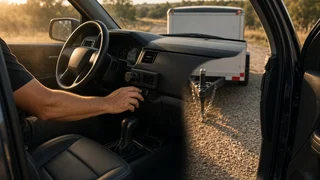
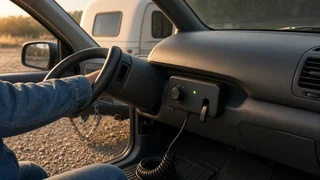
The immediate answer is that a 2010 Toyota Tundra may use a factory-integrated trailer brake controller or may require an OEM accessory controller, depending on how the truck was equipped. Some trucks left the assembly plant with the controller integrated into the dash or provided a factory connector and mounting location for a dealer-installed unit. Before buying, inspect the dash area near the steering column and the trailer wiring connector under the panel.
Additionally, the trailer brake controller must match the truck's existing harness and the trailer's electric brake circuit. A controller designed for the Tundra's factory wiring will plug into the pre-run connector without splicing, while a universal aftermarket unit typically requires an adapter harness. Confirm whether the truck already carries the OEM switch panel, dash trim, and wiring pigtail, because those parts materially change which controller is a direct fit for your truck.
An integrated trailer brake controller works by reading the truck's brake pedal input and sending a proportional voltage signal to the trailer's electric brakes. The controller adjusts braking force based on the truck's deceleration, so the trailer brakes engage smoothly rather than abruptly. It also includes a manual override lever or slide control, allowing the driver to apply trailer brakes independently when sway occurs.
In the Tundra, the factory mounting location and the controller's plug are designed around a specific module shape and button layout. Even if a controller physically fits another Toyota model, the internal firmware and connector pinout may be different. The trailer brake controller also relies on proper electrical grounds and a functioning trailer battery feed, so installation or replacement work should start with checking those circuits before assuming the module is bad.
When comparing an OEM controller with an aftermarket proportional unit, focus on integration rather than appearance. An OEM controller uses the truck's dash blank and harness connector, preserving the factory look and usually providing stable communication with the trailer brake circuit. A quality aftermarket controller can also work well, but it may require a Tundra-specific adapter harness and a custom mounting bracket.
The factory controller is usually simpler to set up because the gain adjustment is made through the truck's existing panel and the output is calibrated for the Tundra's brake signal. However, an OEM part may cost more or be harder to find used. If your truck has the factory harness, an OEM module avoids cut wires and keeps the system serviceable by a dealer or independent shop familiar with Toyota trailer wiring.
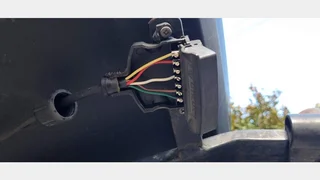
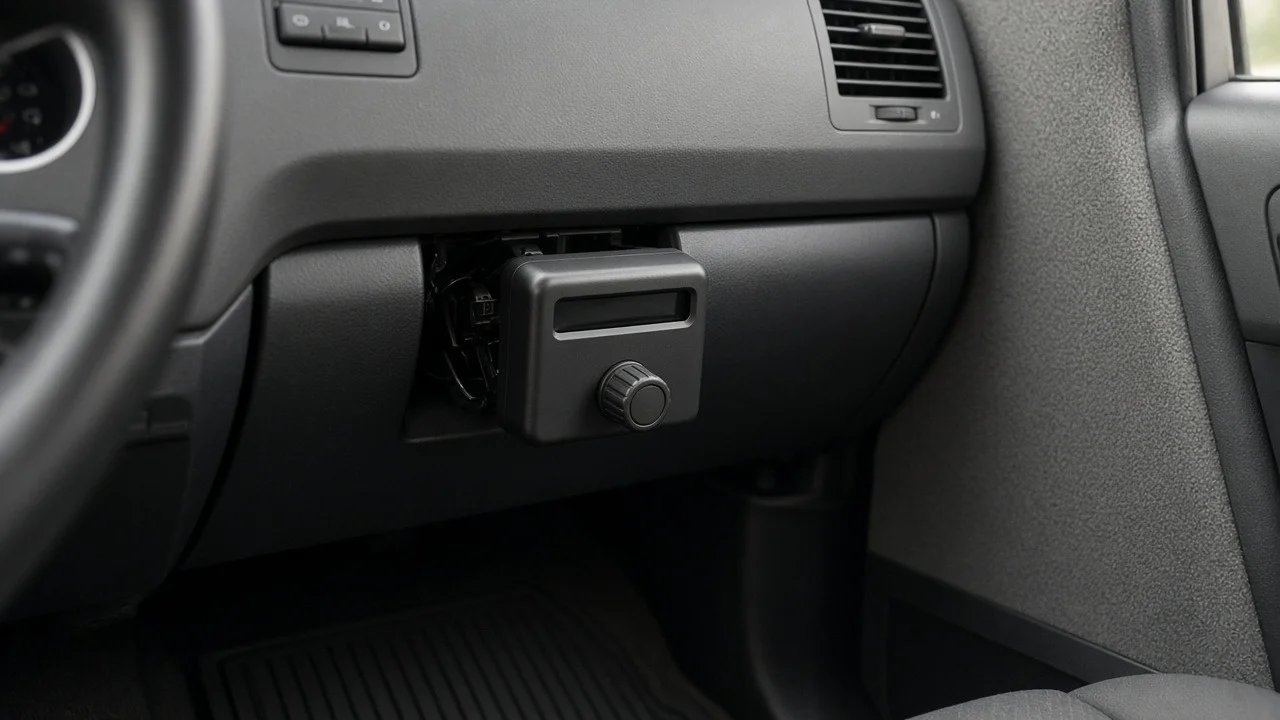
Before purchasing, check the truck's lower dash for a rectangular blank panel or an existing trailer brake control knob. Next, inspect the connector behind that area or under the driver's side of the dash for a plug that matches the controller's pigtail. On the trailer side, confirm the seven-pin connector at the rear bumper sends a brake signal when the pedal is pressed and that the trailer's brake magnets show proper resistance.
Because the Tundra may have been ordered with different towing packages, the presence of a seven-pin trailer receptacle alone does not guarantee the dash connector is present. The wiring is often routed but the final controller harness may be missing. Use a digital multimeter to test for battery voltage, ground, and brake signal at the connector before buying, and verify connector shape against the controller you plan to order.
A trailer brake controller that does not activate the trailer brakes during a manual override test can point to several issues. First, check the trailer battery feed fuse in the truck's power distribution box, because the trailer brakes need auxiliary power separate from the truck's stop lamp circuit. A blown fuse or corrosion in the rear seven-pin socket can interrupt that power even when the controller itself is functioning.
The brake signal from the truck's pedal switch also matters. The controller needs to see a variable signal from the brake switch or the anti-lock brake module to determine how much voltage to send to the trailer. A fault code related to the trailer brake circuit is a diagnostic clue, not proof that the controller has failed. The problem may be in the trailer wiring, the connector, the ground, or a failed brake magnet on the trailer.
Once you have confirmed the connector, mounting location, and trailer wiring are compatible, choose an OEM controller from a source that allows returns and provides the Toyota part number. An OEM module sold as a kit may include the dash panel and screws, while a used unit may arrive without the mounting clip or harness pigtail. Missing small parts can make installation difficult even though the controller itself is correct.
Also verify whether the truck requires a fuse or relay to activate the trailer battery charge circuit. Some Tundra tow packages leave the charge circuit fuse uninstalled at the factory or deactivate it until a controller is connected. Completing that step ensures the trailer's breakaway battery stays charged and the electric brakes receive full voltage during hard stops, which is essential for safe trailer control.
The best next step is to identify whether your truck has the factory dash connector and the intended blank panel, using the truck's VIN or a visual inspection. With that information, you can confidently choose between an OEM controller and an adapter-equipped aftermarket unit. Do not rely on the truck's year and model alone, because towing packages changed during production and the harness can be missing.
After buying the correct controller, have the installation verified by a qualified technician or carefully follow the factory wiring diagram for your truck's towing package. Test the controller with a trailer connected by setting the gain in an open area and using the manual slide. A proper test confirms that the trailer brakes engage smoothly and proportionally, reducing strain on the truck's brake pads, rotors, and calipers during every stop.