2003 Toyota Corolla burning engine oil
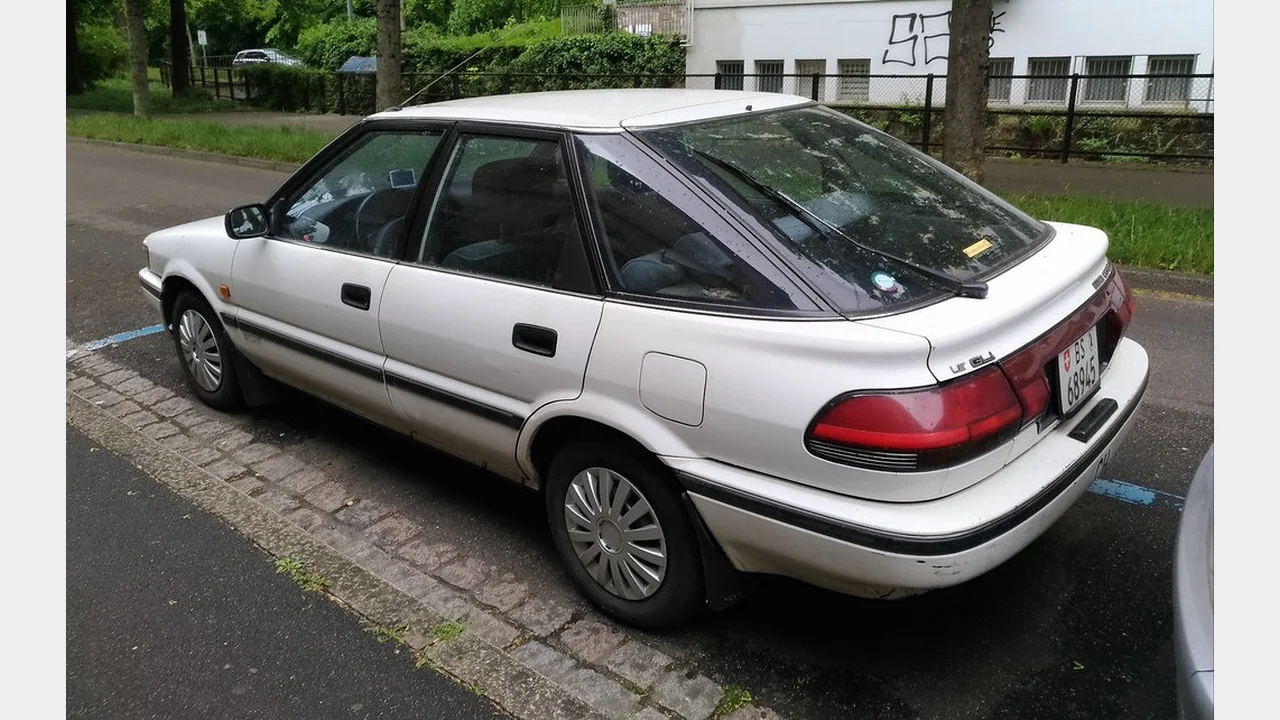
A 2003 Toyota Corolla that consumes oil between changes often shows the problem gradually through a dropping dipstick reading, occasional exhaust haze, or a recurring need to top up the crankcase. The phrase "2003 toyota corolla engine burning oil" usually describes oil entering the combustion chambers and being consumed with the air-fuel mixture rather than leaking onto the ground. Understanding the path the oil takes helps separate normal wear from issues that deserve closer inspection or repair.
Essential answer
Oil consumption in this generation Corolla is most often linked to worn piston rings, valve stem seals, or a positive crankcase ventilation system that is not separating oil vapor effectively. When piston rings lose their ability to scrape the cylinder walls cleanly, a thin film of lubricant remains in the bore and is burned during the power stroke. The result is a gradual decline in the level check reading without an obvious external leak.
The correct response begins with establishing a consistent oil consumption baseline under normal driving. Record the fill quantity added over a known distance and confirm the vehicle is parked on level ground for each check. The appropriate lubricant specification and manufacturer approval should match the engine's requirements, but oil selection alone will not reverse mechanical wear. A compression or leak-down test can help distinguish ring-related consumption from leakage at the valve guides or seals. Because some oil usage may be considered normal for an engine of this age, the practical next step is monitoring the rate before committing to major engine work.