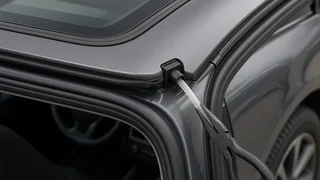
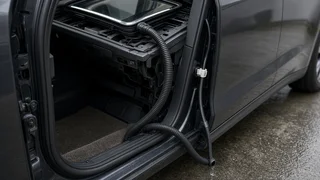
2000 Jeep Grand Cherokee Sunroof Drain Tubes
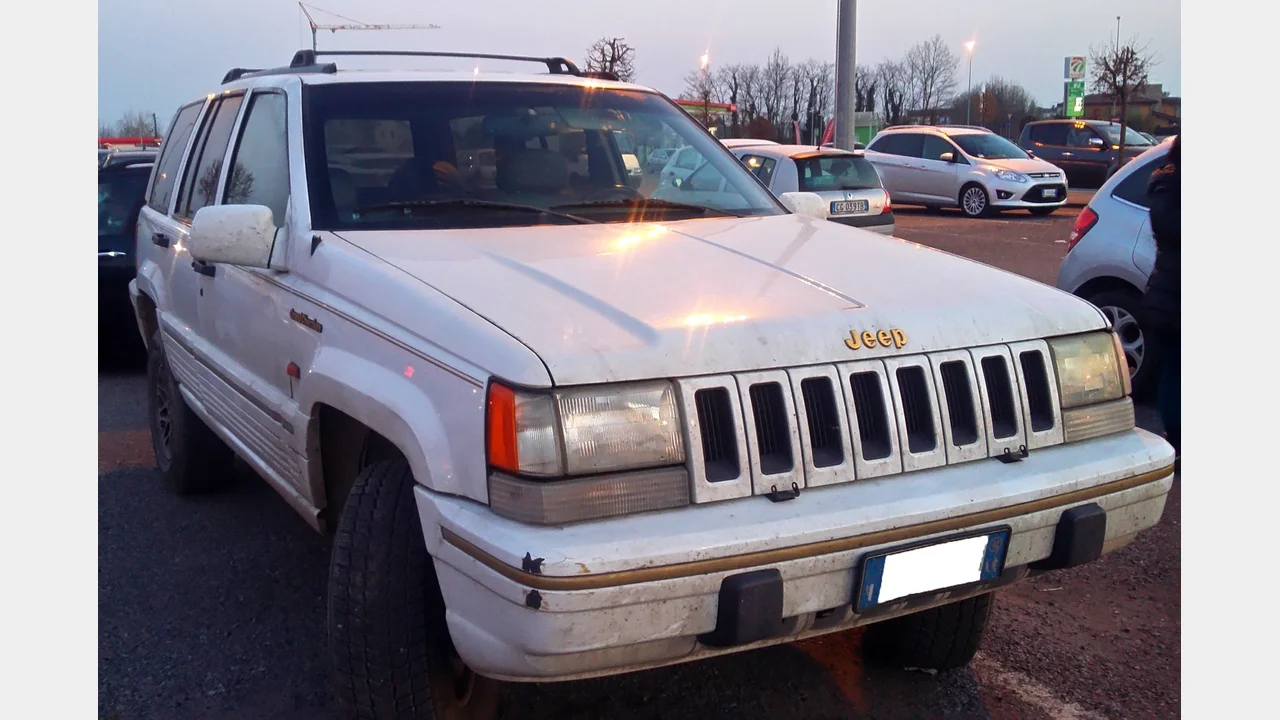
A sunroof that drains into the cabin rather than outside is a frustrating problem on a 2000 Jeep Grand Cherokee. The issue often starts quietly, with damp carpet or a musty smell after rain, then progresses to visible water staining. The moonroof assembly depends on four small drain tubes routed through the roof pillars. When the drainage path becomes blocked, disconnected, or damaged, water follows gravity into places it was never meant to reach. Understanding how these tubes work helps an owner assess the leak and choose the right correction without unnecessarily replacing major sunroof components first.
Essential answer
The essential answer is that the 2000 Jeep Grand Cherokee sunroof uses flexible drain tubes at the front and rear corners of the sunroof pan. These tubes carry water from the trough around the glass opening down through the A-pillars and rear body sections, releasing it near the rocker or wheel areas. They are a drainage path, not a pressurized system. When the roof leaks, the tubes are a primary suspect because they clog with dirt or pine debris, but they are not the only possible source of water entry. The model year and body style determine the exact routing and number of drains, which can vary by trim before final production changes.
A useful approach is to treat the tubes as part of a simple gravity-fed circuit. The sunroof glass is not completely watertight, so the surrounding channel collects incidental moisture and routes it to the corners. Each corner has a nipple or fitting that connects to the tubing. If the connection has loosened over years of temperature cycles, water can escape inside the headliner before it ever reaches the tube. If the tubing is intact but the lower outlet is buried in wet leaves behind a fender liner, water can back up and overflow the channel. Verifying the path from the top channel to the lower exit is the key diagnostic idea.