1990s Toyota sports car models
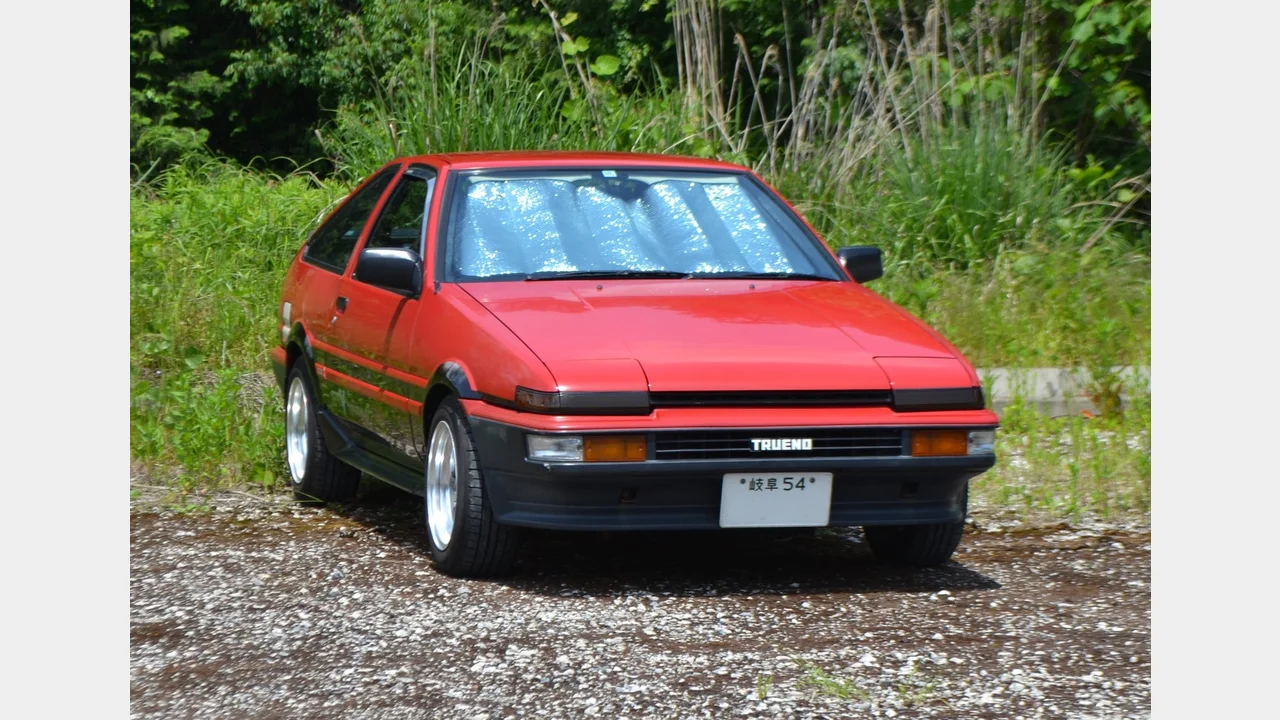
Toyota’s 1990s sports car lineup reached American buyers during a period of rapid technical change, when lightweight chassis ideas, turbocharged engines, and more stringent safety expectations all shaped what a two-door performance car could be. Understanding these 1990s Toyota sports car models means looking beyond a single nameplate. Model generation, body style, trim level, powertrain variant, and market specification all changed how the same basic platform drove and lasted. The decade included front-engine coupes, mid-engine designs, and grand tourers, each with distinct character. Buyers researching this era should evaluate condition, original equipment choices, and the way Japanese domestic market versions differed from US market specification.
Essential answer
The essential answer is that Toyota offered several distinct 1990s sports car models in the US, with the Supra, Celica, MR2, and later the Lexus-badged SC coupe line representing the most recognizable examples. Each car occupied a different performance niche. The Supra grew into a powerful grand tourer, the Celica remained an accessible front-wheel-drive coupe, and the MR2 preserved a mid-engine layout. Model year changes introduced revised engines, different body styles, and new trim levels, so two cars sharing a name could be quite different in behavior and value.
Powertrain variant and market specification also materially shape a buyer’s understanding of this era. A normally aspirated Celica delivered a different experience from its turbocharged all-wheel-drive counterpart sold in other markets, and some Japanese domestic market Supras or MR2s carried equipment not offered officially in the United States. Since no specific production counts, prices, or option data are confirmed here, researching a particular vehicle should begin with its model generation and US market specification rather than assuming every 1990s Toyota sports car shared the same parts, tuning, or ownership needs.