1990s Nissan sports cars
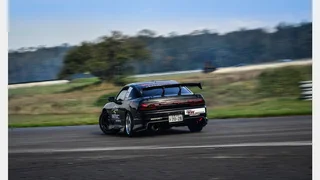
Nissan’s 1990s sports cars represent a distinct period when Japanese performance engineering embraced turbocharging, balanced rear-drive chassis, and accessible power. For readers researching this era, the appeal often lies in how a modest body configuration could deliver serious pace without exotic complexity. Models from this decade remain popular as enthusiast-owned classics or project platforms because their powertrain layout supports predictable handling and available upgrades. Understanding the market segment helps explain why these vehicles still attract attention among drivers deciding which generation fits their goals.
Essential answer
The 1990s Nissan sports car lineup includes multiple model generations that shared a focus on driver engagement and tunable performance. These cars often used front-engine, rear-wheel-drive layouts, though all-wheel-drive variants appeared in some high-output coupes. The seating layout was typically a two-plus-two configuration, balancing daily practicality with a low, purposeful stance. For buyers today, the broad answer is less about one definitive model and more about selecting a vehicle class and generation that aligns with intended street, track, or restoration use.
Within the market segment, buyers generally distinguish between lightweight affordable coupes and heavier grand tourers offering stronger acceleration. The shared mechanical approach made these platforms responsive to suspension and engine calibration changes, which supports their continued presence in enthusiast communities. Because manufacturer-dependent specifications changed by region and model year, a 1990s Nissan sports car should be evaluated by its specific generation and condition rather than assumed uniform. This qualification matters when comparing original equipment, replacement parts availability, or practical ownership expectations.