ZF Lifeguard 6 and 8 Transmission Fluid Explained
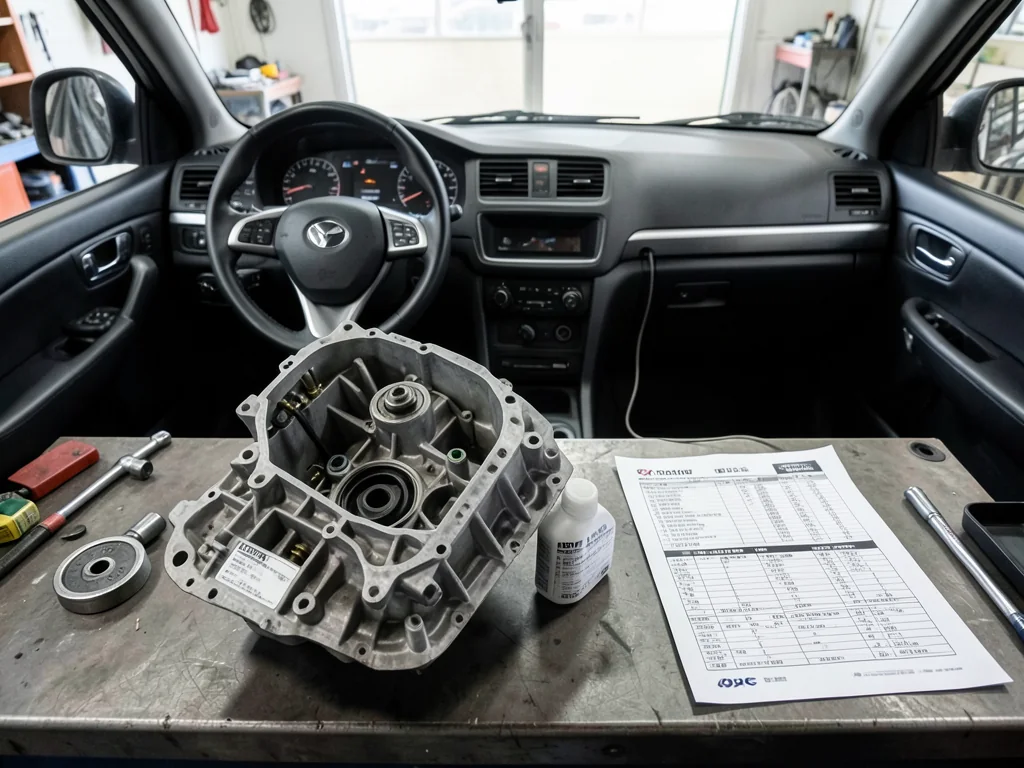
ZF automatic transmission fluid is not a single universal product. ZF Lifeguard 6 automatic transmission fluid and ZF Lifeguard 8 automatic transmission fluid are application-specific fills whose suitability depends on the transmission, the OEM fluid specification, and current service documentation. Using the wrong formulation can change friction characteristics, viscosity behavior, and shift quality. Confirm the required fluid before purchase, because gear count and a familiar bottle label do not prove compatibility.
Identify the Transmission and Its Required Fluid
The required ZF automatic transmission fluid is established by matching the vehicle to its transmission and then reading the fluid specification in applicable service information. Start with the VIN, then confirm transmission identification from the unit label, stamping, or the manufacturer's application data. Those identifiers point to an OEM fluid specification and any ZF application notes that name an approved fill. Gear count is only a family clue. A six-speed or eight-speed ZF unit can have more than one documented fluid, so the Lifeguard product number by itself does not prove the bottle is approved for that gearbox.
Before buying fluid, confirm the requirement in vehicle manufacturer documentation or ZF application information for that VIN and transmission identification. Transmission service documentation can change when a replacement specification is released, so a previous job ticket is not enough. Fluid color, packaging appearance, and an existing service receipt also cannot independently prove the installed fill is correct. Color can shift with heat and fluid contamination, bottles can be restocked incorrectly, and a receipt may list a product that was never verified against the current OEM fluid specification. Treat those clues as leads, then verify the documented approval before adding anything.
Confirm Whether ZF Lifeguard 6 Is Specified
ZF Lifeguard 6 automatic transmission fluid is an application-specific product, not a default fill for every ZF six-speed automatic. Suitability has to be checked against the exact transmission, because several six-speed families exist and they do not share one fluid approval. Open the applicable service information and look for the named product or the OEM fluid specification it satisfies. If a documented replacement specification appears, use that current callout rather than an older catalog line. Assuming Lifeguard 6 is correct because the gearbox has six speeds skips the identification step that actually authorizes the fluid.
When you order or request service, give the parts supplier or shop the VIN, transmission identification, and the documented fluid requirement copied from current transmission service documentation. That trio lets them check fluid approval against ZF application information instead of guessing from a familiar Lifeguard 6 label. If the shop cannot match those identifiers to a specification, pause the purchase. A counter recommendation based only on vehicle make or gear count is not a substitute for the written callout. Keep a copy of the specification you used so the fill can be traced later if shift quality questions arise.
Confirm Whether ZF Lifeguard 8 Is Specified
ZF Lifeguard 8 automatic transmission fluid is selected only when the transmission's documented fluid requirement names that product or an equivalent approved specification. The product number on the bottle is not sufficient evidence that every ZF eight-speed automatic can use it. Eight-speed units vary in clutch materials, hydraulic calibration, and viscosity requirements, so one Lifeguard 8 listing does not automatically cover the next application. Read the current OEM fluid specification and ZF application information for that transmission identification. If those sources do not authorize Lifeguard 8, do not treat the familiar eight-speed association as a fill instruction.
Require application confirmation before treating ZF Lifeguard 8 automatic transmission fluid as an authorized fill or replacement fluid. A shop should record the product supplied, including batch or part identification from the container, and the specification used to support that selection. Note the VIN, transmission identification, and the service document or ZF application reference that matched the fluid. That record is useful if a later inspection questions fluid approval or if a different catalog later lists another fill. Without that paper trail, a correctly labeled bottle still cannot show why it was chosen for that gearbox.
Why the Specified Fluid Matters Inside the Transmission
Inside the unit, viscosity requirements, friction characteristics, and additive chemistry work together to support hydraulic control, clutch operation, lubrication, and heat management. Pump pressure, valve-body flow, and clutch apply timing all depend on how the fluid shears and how it films on plates and bushings. Transmission materials and control calibration are developed around a specified formulation, so a different ZF automatic transmission fluid can change lockup feel, engagement delay, and thermal behavior even when the gearbox still moves. The specified fluid is part of the control system, not a generic lubricant that can be swapped by brand familiarity.
A suitability claim needs supporting application documentation. Broad automatic transmission fluid labeling does not establish fluid approval for a ZF six-speed or eight-speed unit, even when the bottle mentions ZF Lifeguard 6 automatic transmission fluid or ZF Lifeguard 8 automatic transmission fluid in marketing text. Mixing fluids can leave the resulting fill outside documented viscosity requirements and friction characteristics, even if no immediate symptom appears. Fluid contamination from an undocumented top-off also complicates later diagnosis, because the blend no longer matches the OEM fluid specification used to interpret shift quality and hydraulic behavior.
Respond Safely to a Suspected Wrong-Fluid Fill
A suspected wrong-fluid fill can coincide with shudder, delayed engagement, harsh shifts, or an overheating warning, but none of those symptoms proves a fluid mismatch by itself. Worn clutches, low level, software issues, and other hydraulic faults can produce the same shift quality complaints. The outcome depends on the fluid used, the amount introduced, operating conditions, and the transmission. Do not assume certain internal damage, and do not assume a harmless result. Treat the event as a specification problem that still needs professional assessment rather than as a completed diagnosis.
Retain the fluid container and invoice, record how much was added, and note any symptoms and warning messages. Contact a qualified transmission specialist promptly and share the VIN, transmission identification, and the documented OEM fluid specification. If drive is lost, shifting becomes severe, or an overheating warning appears, stop safely and arrange professional assistance rather than continuing to load the unit. Assessment may include checking the specification, fluid level, fault information, and operating behavior. Leave draining, flushing, and temperature-dependent filling procedures to appropriate service guidance, because those steps are application-specific and easy to get wrong.