Yamaha Street Bikes: Choosing for Rider Fit and Passenger Space
Yamaha's street lineup covers several distinct styles: naked bikes, sport bikes, retro-styled roadsters and sport-touring machines. For rider fit and passenger space, the style matters more than the engine size. The general pattern is this. Sport-touring models are usually the most accommodating for two people. Naked and retro bikes offer an upright, adaptable riding position but limited passenger comfort. Supersport models put the rider in a committed, forward-leaning posture and treat the passenger seat as an occasional extra. Within each family, the exact fit still depends on the model year, market and trim, so the final decision should come from sitting on the specific bike you are considering.
The Short Answer
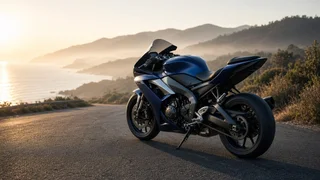
If you mostly ride alone and want a comfortable, versatile position, look first at Yamaha's naked MT series or the retro XSR models. If you regularly carry a passenger or plan longer trips two-up, the Tracer sport-touring family is the more logical starting point because it is designed around distance, luggage and a second rider. If you want track-oriented handling and accept a forward-leaning posture, the YZF-R sport bikes fit that purpose, but they are the weakest choice for passenger comfort. These are general tendencies by category, not guarantees for every version, and naming or availability can change between model years in the US market.
How Yamaha's Street Families Differ
Model identification is the first step, because Yamaha uses family names that signal the intended riding position. Many models across families share an engine platform, so two bikes with similar mechanicals can feel completely different in the saddle. The comparison below is an editorial summary of typical design intent, not a set of measured specifications.
Family | Typical riding position | Rider fit character | Passenger accommodation; MT (naked) | Upright, wide handlebar, mid-mounted pegs | Adaptable for many body sizes; good for commuting and mixed riding | Usable for short trips; passenger seat and pegs are typically compact; XSR (retro) | Upright, often with a flatter bench-style seat | Relaxed and approachable; styling-led ergonomics vary by model | Similar to MT models; seat shape may help or hinder depending on version; YZF-R (sport) | Forward lean, low clip-on bars, higher rear-set pegs | Demanding on wrists, back and knees for some riders, especially in traffic | Generally minimal; small, high passenger seat; Tracer (sport-touring) | Upright with wind protection and a more spacious seat layout | Designed for longer hours in the saddle | Usually the strongest in the street lineup for two-up riding, with provisions for luggage
Engine Configuration and Why It Affects Fit
Engine configuration influences fit indirectly. Yamaha's current street bikes commonly use parallel-twin, inline-triple or inline-four engines depending on the model. A narrower engine tends to allow a narrower seat and frame at the point where your legs come down, which can make reaching the ground easier even when the listed seat height is similar to a wider bike. Larger, more powerful engines often bring more weight and a taller overall package, which matters at walking speed, when parking and when holding the bike up with a passenger aboard. Smaller-displacement models are typically lighter and lower, which helps newer or shorter riders but usually leaves less reserve for carrying a second person and luggage comfortably.
Rider Fit: What Actually Matters
Riders often focus on seat height alone, but fit comes from the relationship between three contact points: the seat, the handlebar and the footpegs. This is sometimes called the rider triangle. Changing any one of them changes how your weight is distributed and how relaxed you feel at speed and in traffic.
Seat height and seat width: a narrow seat front can let you plant your feet more securely than a lower but wider seat. Handlebar reach and height: wide, high bars give leverage and an upright back; low clip-ons shift weight onto your wrists. Footpeg position: higher, rearward pegs give cornering clearance but bend the knees more tightly, which can become uncomfortable on long rides. Wet weight and its distribution: a heavier bike with weight carried high feels more demanding at a standstill than the number alone suggests. Riding controls: clutch and brake lever reach, and whether levers are adjustable on the trim you are considering, matter for riders with smaller hands. Wind exposure: naked bikes expose the rider to wind at highway speeds, while sport-touring fairings and screens reduce fatigue on longer stretches.
Passenger Accommodation: What to Look For
A bike that fits the rider well can still be a poor choice for a passenger. The passenger's comfort depends on seat area, peg height and something solid to hold. It also depends on how the bike's suspension and chassis handle the extra load.
Passenger seat size and padding: a short, firm pillion pad works for brief rides but becomes tiring quickly. Passenger peg height: pegs mounted high relative to the seat fold the passenger's knees sharply; lower pegs are more comfortable over time. Grab handles or rails: these give the passenger a secure hold under braking and acceleration without leaning on the rider. Seat step height: a large step between the rider and passenger seats can push the passenger forward or perch them high above the rider. Suspension adjustability: rear preload adjustment lets the bike carry extra weight without sagging excessively, which helps both handling and ground clearance. Luggage provisions: if you travel two-up, check whether the model supports side cases or a top case, since a passenger reduces the room available for soft luggage.
Matching a Family to Your Priorities
Solo commuting and weekend riding: an MT or XSR model usually offers the best balance of an upright position, manageable weight and everyday practicality. The occasional short passenger ride is possible, but these bikes are not designed around it.
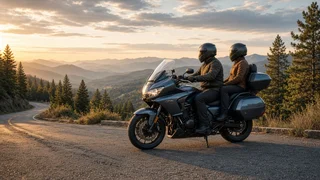
Regular two-up riding or touring: a Tracer is generally the better fit. The combination of a more generous seat layout, wind protection and luggage compatibility makes longer shared trips more realistic. Expect a taller and heavier bike than the naked equivalents, so shorter riders should confirm they can manage it at a stop with a passenger on board.
Performance-focused riding: a YZF-R model suits riders who prioritize cornering and track days over comfort. If carrying a passenger matters even occasionally, a sport bike is usually the wrong compromise.
Newer or shorter riders: smaller-displacement naked or sport models tend to be lighter and lower, which builds confidence. The trade-off is less comfort and stability when carrying a passenger at highway speeds.
Drive System and Two-Up Ownership
Most of Yamaha's sport, naked and sport-touring street models use a chain final drive. With a passenger and luggage, the chain and sprockets carry more load. Regular cleaning, lubrication and tension checks matter more for riders who frequently ride two-up. The rear suspension and tires also do more work. Your owner's manual will list the service specification for load-related settings, such as recommended tire pressures and suspension preload adjustments for carrying a passenger. It also lists the maximum load the bike is rated to carry, combining rider, passenger and cargo. Following these settings helps preserve handling, braking stability and tire life.
Equipment Compatibility and Adjusting Fit
If a bike is close to right but not perfect, equipment can sometimes close the gap. Yamaha and aftermarket suppliers commonly offer comfort seats, lower or taller seat options, passenger backrests, handlebar risers and touring screens for popular models. Availability depends heavily on the specific model and year, so confirm that a part is listed for your exact bike before buying. Lowering a motorcycle through suspension changes can reduce ground clearance and alter handling. Adding a backrest or top case also changes weight distribution. Treat these as trade-offs to understand rather than simple upgrades, and consider how modifications may interact with warranty coverage.
Before You Buy: A Practical Fit Check
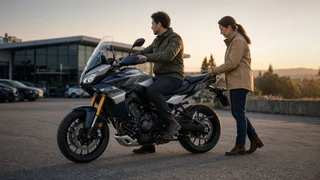
Sit on the bike with both feet down and check how securely you can hold it upright, including on a slight slope. Put your feet on the pegs and hands on the bars for several minutes; note any pressure on wrists, knees or lower back. Ask your usual passenger to sit on the bike with you and evaluate peg height, seat space and grab points together. With the passenger aboard, check whether you can still steady the bike comfortably at a stop. Check lever reach, mirror visibility and whether the controls on that trim are adjustable. If possible, take a test ride that includes slow maneuvering and, ideally, a stretch at highway speed. Confirm the model year and trim of any used bike, since ergonomics and equipment can change between generations.
Bottom Line
Choosing among Yamaha street bikes for fit and passenger space comes down to matching the family to how you actually ride. Naked and retro models suit most solo riders with an upright, flexible position. Sport-touring models are the natural choice when a passenger is a regular part of your riding. Sport bikes reward the rider at the expense of the passenger. Use the category as your shortlist, then let a careful in-person fit check on the specific model and year make the final call.