Yakima Roof Rack Fit Guide: Choosing Compatible Mounts and Crossbars for an SUV
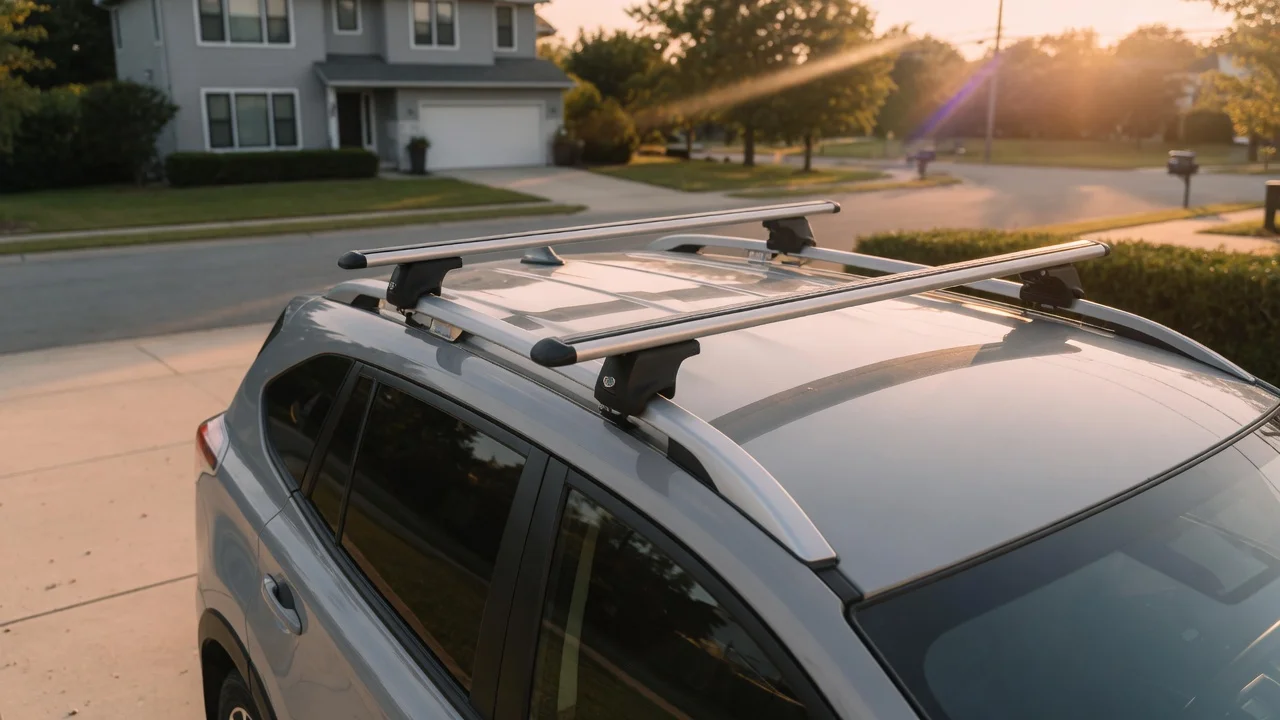
What determines a compatible Yakima rack on an SUV
A Yakima roof rack fits an SUV when the towers (the mounts that attach to the vehicle) match that roof’s attachment style, and the crossbars match the width and accessory interface you need. Compatibility is vehicle-specific: year, make, model, trim and roof equipment all matter. The authoritative match is Yakima’s Fit List for that exact vehicle, which names the tower type, any landing pads or clips, and the crossbar length. The rack’s published load rating and the SUV’s roof-load limit in the owner’s manual both apply; the lower figure is the working limit while driving.
Confirm the roof type before you shop
Towers are chosen by how the roof is built, not by the SUV’s size class. Two examples of the same model can need different kits if one has factory side rails and the other is a bare roof, or if a panoramic glass roof changes pad placement. Identify the roof you actually have, including whether factory rails are structural (meant to carry a rack) or decorative.
Raised factory side rails: longitudinal rails along each side of the roof. Load-bearing rails can accept clamp-on towers. Decorative rails that do not present a clampable, rated structure are treated as a different roof. Factory tracks: flush or recessed channels built into the roof or into the rails. Towers slide or lock into the tracks rather than clamping around a rail. Bare or naked roof: no rails and no tracks. Towers sit on vehicle-specific landing pads, often using the door-jamb or similar roof-edge structure. Factory crossbars already installed: some SUVs ship with OEM bars on rails or tracks. A Yakima kit may replace those bars, use the same rails, or require a different tower set; the Fit List states which. Sunroof or panoramic roof: glass area can block pad locations, change tower stations, or reduce allowed roof load. Treat this as part of the vehicle identity, not an accessory afterthought.
Yakima mount systems compared
Current Yakima StreamLine towers are modular: you buy the tower that matches the roof, then pair it with a compatible crossbar. Older Q-Tower kits use a different clip-and-pad generation and are not interchangeable with StreamLine parts unless a specific adapter path is listed. Compare towers on roof type, how they load the vehicle, and whether the Fit List calls for extra pads or clips.
Tower or mount Roof it is built for What you also need Trade-off; SkyLine towers Load-bearing raised factory side rails Correct bar length; rails long enough for the specified bar spread Usually the simplest path on railed SUVs; will not fit decorative rails or a bare roof; Control Towers Bare roofs Vehicle-specific Landing Pads (and any listed clips) Pads are not universal; the pad number is part of the vehicle kit, not a generic accessory; BaseLine towers Factory integrated tracks Tracks that match the listed application; correct bar length Clean, low clamp profile on track-equipped SUVs; useless on raised rails or a naked roof; TimberLine towers Selected factory-track applications Matching TimberLine bars where the kit specifies them Track fit plus a distinct bar style; still vehicle-listed, not a universal track clamp; Older Q-Tower kits Bare roofs and some rail applications from the prior generation Matching Q clips, pads and bars from that system Common on used racks; mixing Q hardware with StreamLine towers or bars is a fitment error unless Yakima lists a conversion
Aftermarket rails, used towers from another vehicle, and “universal” clamps are outside the Fit List. If the rails were added later, or the SUV was imported from another market with different roof equipment, treat fitment as unknown until it is checked against the current list for that roof, not only against the badge on the tailgate.
Crossbar choices and what they change
Once the towers are correct, the bar choice is mostly about noise, accessory mounting and duty. Length is not a style preference: the Fit List specifies a length so the bars span the towers with an appropriate overhang. Bars that are too short will not mount; bars that are much too long add overhang, garage risk and wind noise without increasing the rated load.
Crossbar Typical role Accessory interface Trade-off; JetStream Quieter, lower-profile travel on a highway-oriented SUV Integrated T-slot under a cap strip, plus some clamp-on mounts Often the better daily choice when wind noise and a cargo box or bike trays matter; still requires the listed length; CoreBar General-purpose aluminum bar on StreamLine towers T-slot along the bar Flexible with current Yakima T-slot accessories; less specialized for noise or maximum work load; RoundBar Traditional round profile, including many older setups Around-the-bar clamps and adapters Broad clamp-on accessory support and a simple shape; more wind noise and drag than aero bars; HD Bar Heavier work and trade loads where the vehicle and towers allow it Clamp and slot patterns suited to utility gear Useful when the cargo is bulky or industrial; it does not raise the SUV’s own roof-load limit; TimberLine bars Paired with TimberLine towers on listed track vehicles The interface specified for that kit Aesthetics and track fit together; not a swap-in for SkyLine or Control Tower kits
Bar spread—the distance between the front and rear crossbar—must fall inside both Yakima’s listed range for the towers and the range required by the cargo (box, bike tray, kayak carrier). A two-bar kit is the usual SUV setup; some longer vehicles have a listed three-bar option when the roof and cargo need a third station. Exact lengths, spreads and load figures belong on the Fit List and in the owner’s manual; they are not interchangeable across model years.
Which combination fits the intended use
Choose the tower from the roof, then the bar from the cargo and how you drive. The Fit List removes the tower decision for a given SUV; the remaining choice is which listed bar profile to put on those towers, and which accessories those bars will carry. Cost figures are omitted here because kit price varies by vehicle hardware and market; compare on fit, load, noise and accessory type instead.
Raised, load-bearing factory rails and mixed family cargo (box, bikes, skis): SkyLine towers with JetStream bars when a quiet aero bar is on the list; CoreBar if you want a simpler T-slot bar on the same towers. Bare-roof SUV: Control Towers plus the listed Landing Pads, then JetStream or CoreBar at the specified length. Do not substitute pads from another model. Factory tracks: BaseLine (or TimberLine where listed) with the bar the kit names. Track towers will not clamp to raised rails. Work ladders, lumber or other heavy utility on a rated roof: HD Bar only if both the Fit List and the vehicle roof-load rating support that duty. The bar profile does not override a low factory roof limit. Quiet highway use with a cargo box: prefer the aero bar the kit allows (JetStream when listed). Pair it with a fairing if the kit or bar instructions call for one. Older accessories that only clamp around a round bar: RoundBar on compatible towers, or adapters confirmed for the aero bar you already have. Verify the accessory’s bar-shape requirement before you buy. Used complete rack from another SUV: treat it as a parts pile until every tower, pad, clip and bar length matches the Fit List for your roof. A rack that physically clamps on can still be unrated.
Load limits and conditions that change the answer
Two numbers govern how much you may carry: the Yakima system rating for that tower-and-bar combination, and the manufacturer’s maximum roof load for that SUV (often a dynamic, on-road figure in the owner’s manual). Use the lower value. Accessory weight, the bars, the towers and the cargo all count toward the total. A parked rooftop tent is a static load and may be rated differently from driving load; follow both the tent maker and the vehicle maker, and do not assume a driving rating applies while camped or the reverse.
Model year and facelift: roof-rail shape, track design and sunroof options change between years even when the nameplate stays the same. Trim and roof pack: rails versus no rails, panoramic glass, and factory bars are often trim-specific. Market and body: a vehicle sold in one region may use different roof hardware than the same nameplate elsewhere. If market is unknown, fitment is unknown. Two-row versus three-row or extended-length SUVs: bar length and tower stations can differ on a longer roof. Off-pavement use: dirt roads and trails add shock load. Hardware torque, bar spread and a lower working load still apply; the on-road rating is not automatically valid. Locks and security: LockCore-style keys can lock towers and accessories together, but they do not change fit or load.
What to do next
Look up the SUV on Yakima’s current Fit List using year, make, model and the roof you confirmed in person. Note the tower name, landing-pad or clip identifiers, bar length and any fairing or hardware notes. Then read the owner’s manual roof-load section and keep cargo plus rack under the lower of the two ratings. If the roof has aftermarket rails, unknown import equipment, or a glass roof that the list does not describe, stop and have the application verified before you order; a near-fit kit is not a compatible kit.