Wrench Light on the Dashboard: Meaning and Safe Next Steps
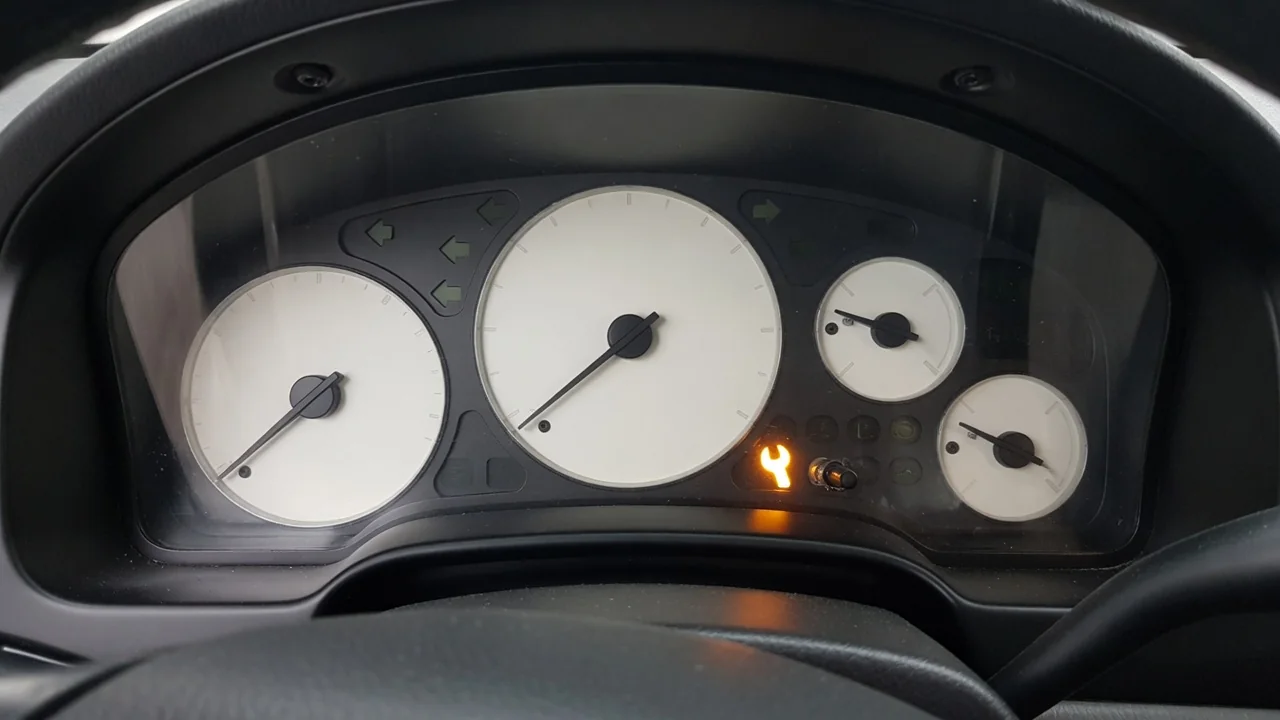
A wrench symbol glowing on the instrument cluster can stop any driver mid-thought. Is it just a service reminder, or is something wrong under the hood? The answer isn't universal: depending on the vehicle, this tool-shaped dashboard light may indicate the need for routine maintenance, a powertrain fault, or another vehicle-specific condition. Understanding what the symbol means on your particular model is the first step toward a safe and appropriate response.
What the Dashboard Wrench Symbol Can Mean
The wrench and spanner describe the same icon: a simple tool graphic that appears on the instrument cluster. Automakers do not use it for one single purpose, so the light can signal very different conditions depending on the vehicle's manufacturing origin and design philosophy. On some models, it is purely a maintenance reminder tied to mileage or time intervals. On others, it is a powertrain warning indicating that the engine, transmission, or related control system has detected a fault and may reduce power to protect itself.
Because the meaning is manufacturer-dependent, the owner's manual for the exact year, make, and model is essential. The icon alone cannot identify a failed component or prove that driving is safe. Without consulting the documentation, a driver might mistake a serious drivetrain warning for a benign oil-change reminder, or vice versa. A fault code is evidence to interpret, not proof that a part has failed, so the light must be understood within the context of the vehicle's specific warning strategy before any conclusion is drawn.
Details to Check When the Wrench Light Appears
When the wrench symbol appears, the first task is to identify what the vehicle is actually trying to say. The owner's manual has a warning-light section that explains the icon's meaning for that model and often lists the accompanying dashboard messages. Many vehicles display a text message alongside the wrench, such as "service due," "oil change required," or "reduced power." Read that message carefully and compare it with the manual's explanation rather than guessing based on general online advice.
Note the circumstances: does the symbol illuminate briefly during startup, remain steadily lit, or return while driving? Color and flashing behavior can alter the meaning, but only according to the vehicle's documentation; a red wrench may indicate an urgent fault, while a yellow one could simply be a maintenance reminder. Record the exact message, any other illuminated warnings, and when the light appeared. This information, gathered once the vehicle is safely parked, will be valuable for deciding the next step or for describing the situation to a repair professional.
Symptoms That Require Stopping Safely
Certain symptoms accompanying the wrench light demand an immediate stop. Severe shaking, substantial power loss, overheating indications such as a rising temperature gauge or steam, smoke, or difficulty controlling the vehicle all mean the car is not safe to continue driving normally. In these cases, no warning light explanation can substitute for good judgment: the mechanical behavior of the vehicle tells you something is seriously wrong. Move out of traffic as safely as possible and stop in a location away from moving vehicles.
An accompanying oil-pressure, temperature, or brake warning must be treated according to that warning's specific instructions, which typically override any general advice about the wrench symbol. Do not assume that a fixed distance or amount of driving is safe simply because only the wrench light is visible. If the vehicle can be driven safely to a nearby stopping point, do so cautiously, but if symptoms are severe, shut off the engine and arrange for roadside assistance rather than risking further damage or a collision.
Next Steps After Confirming a Maintenance Reminder
If the owner's manual indicates the wrench is a maintenance reminder, identify the exact service item using the displayed message and your service records. The message might specify an oil change, tire rotation, or other scheduled maintenance. Compare that with the vehicle's maintenance schedule in the manual and the work already completed. Do not invent a universal maintenance interval: the vehicle's own documentation is the authority for what is due and when. Arranging the specified service promptly keeps the reminder meaningful.
Resetting the reminder does not perform the required maintenance or resolve a mechanical fault. If the light appears after recent service, confirm what work was actually completed and whether the reminder was reset correctly. A shop may have changed the oil but forgotten to clear the service interval, or the reminder may be tied to a different item that was not addressed. Reviewing the service records against the displayed message helps determine whether the light is a simple oversight or an indication that something remains due.
When a Wrench Warning Needs Professional Diagnosis
Professional evaluation is appropriate when vehicle documentation identifies the wrench as a fault warning, when the light persists without a clear explanation, or when drivability symptoms occur even if the manual says maintenance only. Diagnostic trouble codes provide clues, not final answers. A technician must interpret those codes in the context of the specific vehicle and perform testing before recommending any repair. The presence of a code related to a sensor, for example, does not automatically mean that sensor is faulty; wiring, connectors, or other system interactions may be the root cause.
A basic code reader may not access the relevant vehicle systems, so an empty scan result does not rule out a fault. Many powertrain modules require manufacturer-specific or professional-grade equipment to retrieve all stored information. Preserve warning messages and diagnostic information instead of clearing codes or disconnecting the battery to extinguish the light. Clearing the data erases the technician's roadmap to the problem, often making diagnosis slower and more expensive. The most useful step is to document what the car is telling you and seek qualified help.