Worn Brake Pad Noise: What Wear Indicators and Bad Pads Sound Like
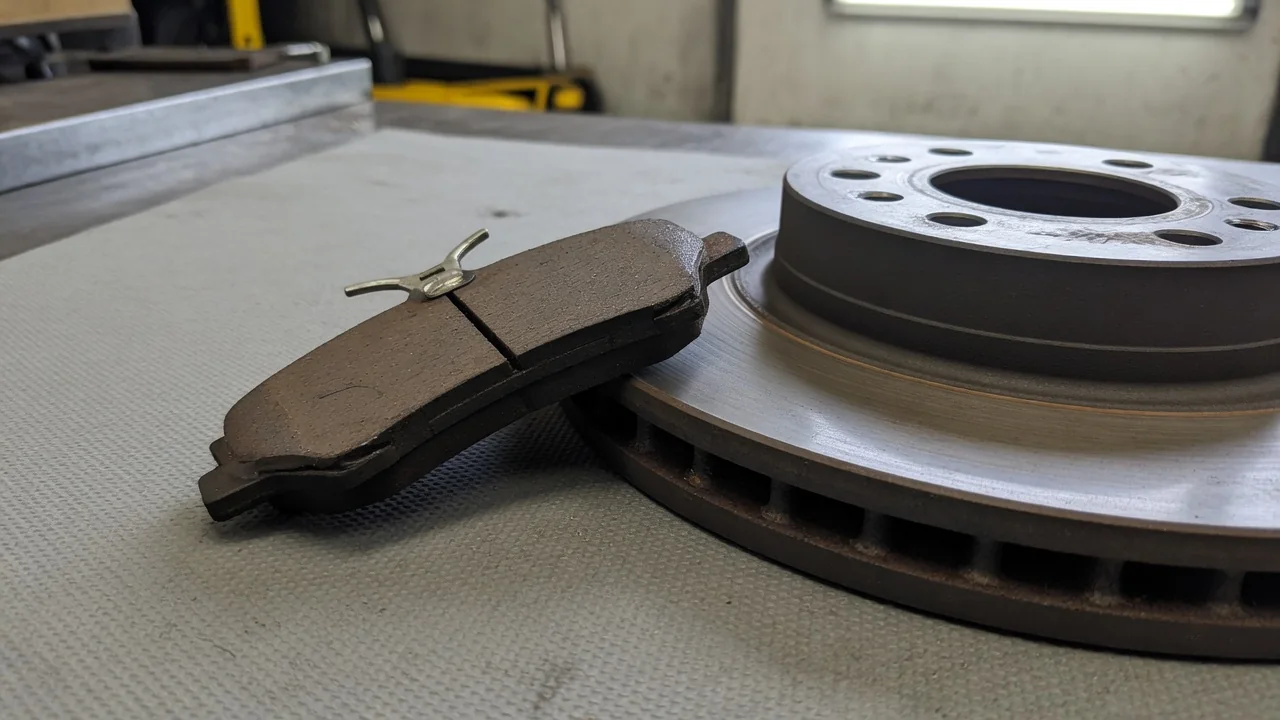
Worn brake pad noise can appear as friction material thins, but quiet pads are not automatically healthy. A high-pitched squeal, metallic scraping, or grinding noise may come from a wear-indicator tab, rotor contact, or related hardware. Drivers asking whether worn brake pads make a noise should treat sound as a prompt to inspect pad thickness, not as proof every pad is worn out.
What Worn Brake Pads Can Sound Like
High-pitched squealing often arrives first as a thin, continuous tone near a wheel. Metallic scraping is harsher and more constant, and grinding is a coarse rumble that can pulse with wheel speed. Any of those brake pad sounds warrants attention, yet none proves pad wear by itself. Drivers describing brake pad worn out noise often mention grinding once little friction material remains. Vibration, rust film after rain, or a stone trapped at the rotor can mimic low brake pad noise, so persistent brake pads noise is a reason to inspect rather than a finished diagnosis.
When friction material is gone, the steel backing plate can ride on the brake rotor and produce a harsh grinding noise that risks scoring the disc. That grinding from worn out brake pads is more serious than a light squeal, but the reverse is also true: pads that are already low may never develop noise even as pad thickness becomes inadequate. Moisture, surface corrosion after sitting, debris in the caliper, and chassis vibration all generate brake noise that owners often blame on wear. Context and inspection matter more than matching a sound to a single diagnosis.
How the Metal Wear-Indicator Tab Produces a Warning
The mechanical wear-indicator tab is a small metal finger fitted to some brake pads. As friction material wears down, that tab is designed to graze the brake rotor and create a high-pitched squeal, the typical brake wear indicator noise. That brake pad wear indicator noise is meant to be heard before the backing plate itself contacts the disc. Brake indicator noise of this type is a designed alert, not a random rattle, though a damaged shield or clip can still sound similar.
On many designs that tab is the part that scrapes as the pad wears down, sometimes called a brake pad noise maker or brake pad noise indicator. Not every pad set uses one, and placement can be on an inner pad, an outer pad, or only at selected corners. A silent corner therefore cannot certify the opposite pad or the other axle. Brake pad indicator noise also depends on rotor condition and how the tab is bent; a missing, broken, or never-installed tab leaves no audible cue even as material thins.
Why a Wear Indicator May Squeal While Driving
Worn brake pads can make noise when driving even with the pedal released, because a wear-indicator tab that has reached the rotor will scrape as the disc spins. Brake wear indicator noise while driving may therefore continue during coasting, then change pitch or volume when the driver applies the pedal and the pad load shifts. That change is useful to note, but it does not identify the cause by itself. A glazed pad, a slightly warped rotor, or a loose heat shield can also vary with pedal pressure.
During ordinary use, it helps to remember whether the sound showed up on a cold morning, after rain, or once the brakes were already warm, without trying to recreate it through hard stops. The same conditions can also be present when brake pads need replacing, so timing still is not a diagnosis. Persistent wheel-area scraping deserves inspection because location and timing cannot reliably isolate pad wear from a dragging caliper, a bent dust shield, or debris. Worn brake pads noise heard only on one side still requires checking both inner and outer pads.
What Electronic Pad Wear Warnings Mean
An electronic pad wear sensor typically closes or opens a monitored circuit as the pad thins, then the vehicle displays a dashboard warning. Any brake pad sensor noise in the cabin is usually a chime tied to that alert rather than a friction squeal from the sensor itself. Those circuits are not built to create metallic brake sensor noise. A brake pad warning, including a chime some drivers hear as brake warning noise, should be read as an electrical signal that pad wear may be reaching a designed threshold, not as proof a particular pad has already failed.
The owner's manual is the place to confirm what that lamp or message actually means, because a general brake warning can also relate to fluid level, parking brake status, or a hydraulic concern. Sensor coverage is vehicle dependent; some axles or inner pads may be monitored while others are not. An absent warning therefore does not confirm that every pad has sufficient material. After a sensor has been triggered, remaining thickness still needs a physical check, and replacing only the sensed corner can leave uneven pad wear unaddressed on the mate.
How Pad Material Can Affect Brake Noise
Friction formulation, temperature, moisture, and vibration all influence how loud a pad is without revealing how much material remains. Sintered brake pads are friction products made with a sintering process that fuses metallic particles under heat and pressure. Those compounds can sound more metallic than some other mixes, especially under light load, but noise from sintered brake pads still is not a wear diagnosis. A new sintered set can be audible in daily driving, while a worn organic pad can stay quiet until the backing plate arrives at the rotor.
Ceramic, organic, and semimetallic formulations each have typical noise tendencies, yet none has a universal soundtrack and none promises silence. Semimetallic mixes can transfer a bit more rotor vibration into a squeal; some ceramic pads are quieter in daily use but can still chirp when cold or damp. Those patterns help interpret brake pads noise; they do not measure remaining lining. Before attributing a tone to compound, confirm the installed pad specification, because aftermarket replacements may not match the original friction family even when they fit the same caliper.
How to Confirm Replacement Is Needed and When to Stop Driving
Confirmation that pads are due comes from measuring remaining friction material against the applicable service specification, not from judging by sound alone. A technician should inspect inner and outer pads at each corner, look for uneven pad wear, check rotor condition, and verify whether mechanical indicators or electronic sensors are present and intact. Hardware such as slides, clips, and shims belongs in that same look, because sticking parts can both make noise and accelerate wear. A glance through the wheel often shows only the outer pad and can miss a thin inner lining.
Persistent squealing or a pad wear warning should lead to prompt inspection rather than an estimate of remaining safe miles. Worn brake pads do not always make a noise when they need service, which is why waiting for a louder cue is a poor plan. If grinding begins, braking feels reduced, the pedal feels abnormal, or the owner's manual identifies the displayed warning as requiring an immediate stop, pull over when it is safe and arrange professional assistance. Continuing to drive in those conditions can damage the rotor and compromise stopping ability.