Wiper Scratches on the Windshield: Causes and What You Can Do
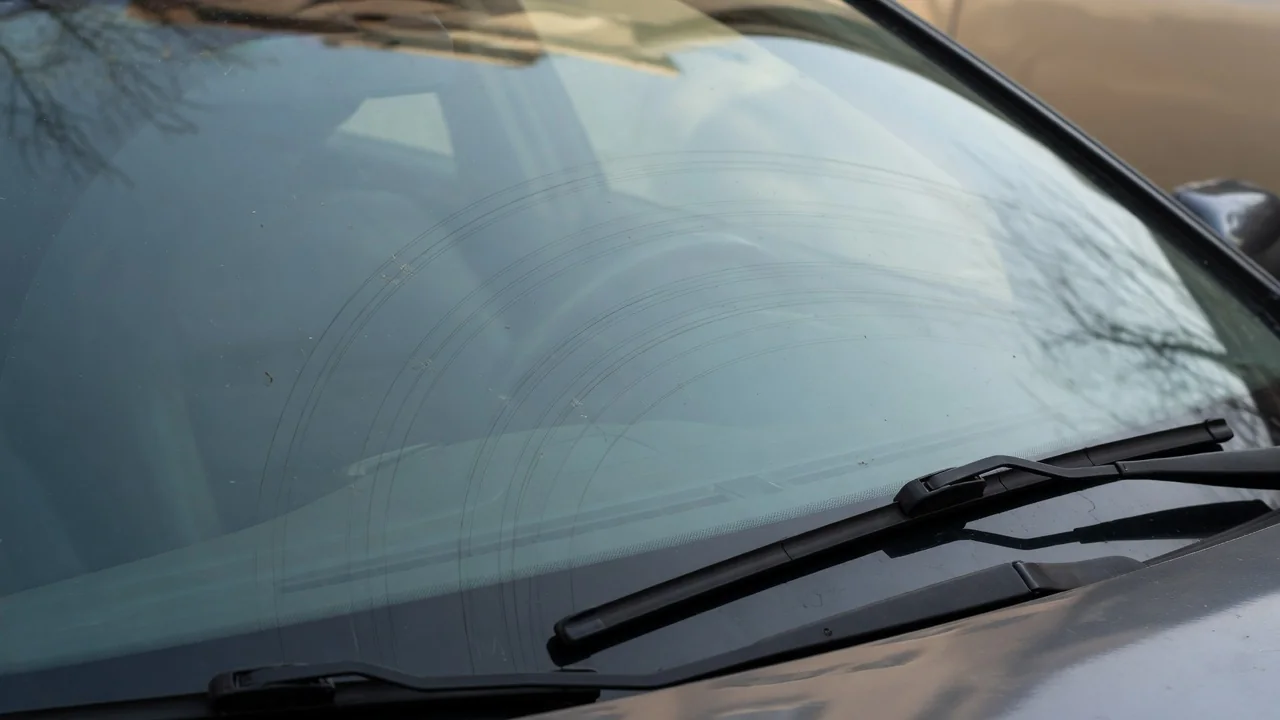
A windshield wiper scratch often appears as a curved mark in the blade path. Embedded grit, worn wiper blades, or dry scraping can abrade glass even when the wiper itself is not too sharp. Wiper scratches on windshield glass matter because they can scatter light and compete with a clear view. A windshield wiper scratched windshield is evidence of contact, not a diagnosis of a single failed part.
How Wipers Can Leave Scratches in Windshield Glass
Windshield wiper scratches often start with particles, not with the rubber edge itself. Fine sand, road grit, or dried mud can lodge under the blade and act like sandpaper as the arm sweeps. Each pass drags those particles across the same arc, so glass surface scratches can deepen in the wiper path. Embedded grit is easy to miss because it hides in the blade lip. Once trapped, it stays in contact until the blade is lifted, cleaned, or replaced.
Worn wiper blades create a different risk. When the rubber tears, hardens, or pulls away from the frame, metal clips, plastic end caps, or the blade spine can touch the glass. Running wipers over dry dirt or ice adds another abrasion path because there is little water film to lift grit or ice crystals off the surface. Wiper sweep marks that follow the blade arc suggest contact-related damage, but the curve alone does not prove whether grit, ice, or a damaged assembly caused a wiper scratched windshield.
Check Whether the Marks Are Scratches or Surface Residue
Before assuming a windshield wiper scratch, inspect the glass while the vehicle is parked. Wash the area with an automotive glass cleaner and a clean microfiber cloth, using light pressure only. Streaks, mineral deposits, wiper fluid film, and road film can look like engraved lines, especially in bright sun. After cleaning, a mark that fades or shifts with the cloth is more likely residue. Persistent marks still do not confirm scratched glass; they only show that the stain did not wipe away.
View the same area in indirect light from both inside the cabin and outside the vehicle, without abrasive rubbing or household scouring pads. A true glass surface scratch often catches light as a fine groove, while residue sits on top and looks dull or chalky. Chips, cracks, and lines that remain after gentle cleaning are reasons to seek an auto glass inspection when the damage type is unclear. A specialist can tell film from abrasion without grinding the windshield to test it.
Judge How the Scratches Affect Visibility
How a windshield wiper scratched windshield affects driving depends on where the marks sit, how wide the band is, and how the grooves scatter light. Scratches in the primary view, especially on the driver's side, compete with the road more than marks near the A-pillar. At night or in low sun, windshield glare can bloom from those grooves as halos or bright streaks. Distracting lines in sunlight or oncoming headlights are useful symptoms to describe during an auto glass inspection, because they show how the damage behaves in real lighting.
Photographs and fingernail or coin checks at home cannot reliably show whether windshield polishing is suitable, because depth, coating, and optical effect are hard to judge from a picture or a catch of the nail. If the windshield damage already prevents a clear view, do not keep driving to see how bad the glare gets. Arrange a professional assessment instead of a road test meant to reproduce windshield glare. A parked inspection under controlled lighting is safer than hunting for the worst sun angle on the road.
When Professional Polishing May Be Suitable
A glass specialist may consider windshield polishing when glass surface scratches appear shallow and limited, but that review is not a promise of complete removal. Superficial marks in the wiper path sometimes respond to professional treatment; deeper grooves often do not. Before any recommendation, the shop should assess scratch depth, how much of the windshield is affected, whether the marks sit in the driver's view, and whether a factory or aftermarket coating is present. Those factors change both the chance of improvement and the risk of making the glass worse.
Polishing works by removing a thin layer of glass, so it can change thickness and local curvature. If the method is unsuitable or poorly controlled, optical distortion can appear as waviness, a lens effect, or new glare even after the original line looks lighter. Household abrasives, metal polish, and power-tool pads are a poor substitute because they are hard to control on laminated windshield glass. Leave evaluation and any treatment to a professional rather than trying to grind a windshield wiper scratch at home.
When a Glass Specialist May Recommend Replacement
Replacement becomes a practical option when wiper scratches on windshield glass are deep, cover a wide sweep, or still impair the view after cleaning and professional review. A long band of abrasion in the driver's sight line can scatter light even if each groove looks narrow. Persistent visibility problems matter more than how dramatic the marks look in a photo. That said, scratch appearance alone cannot set a universal replacement threshold; two windshields with similar lines can differ in depth, coating, and how much they affect night driving.
Resin chip repair is designed for pits and star breaks, not for long surface scratches left by a blade. Filling a chip does not restore a swept groove across the glass. If replacement is recommended, planning should follow the vehicle's glass specifications, including laminated construction and any rain sensor or heating elements in that windshield. Where the vehicle is equipped with a camera behind the glass, manufacturer-required camera calibration may be part of the job after the new windshield is installed, because the camera's view of the road depends on glass position and optics.
Prevent Further Scratches Before Using the Wipers
Stop further abrasion before the next sweep. Clear loose leaves, sand, and ice from the glass, and let the defroster actually melt bonded ice instead of asking the blades to chisel it. Operating wipers over dry dirt or a frozen sheet is a common way a windshield wiper scratched windshield gets worse. Keep both the windshield and the blade rubber clean with products meant for automotive glass and rubber, following the vehicle's care guidance rather than harsh solvents that can dry or swell the edge.
With the vehicle parked and the wipers switched off, lift each blade and look at the rubber for tears, splits, missing chunks, or hard plastic or metal that can reach the glass. Worn wiper blades should be replaced rather than left in service as a temporary edge. If scraping, skipping, or unusual contact continues after cleaning and new blades, the problem may be a bent arm, weak spring, or misaligned assembly rather than the rubber alone. That pattern warrants inspection of the wiper assembly so the next sweep does not add another windshield wiper scratch.