Winter Tires on Separate Rims: Fitment, Costs, and Packages
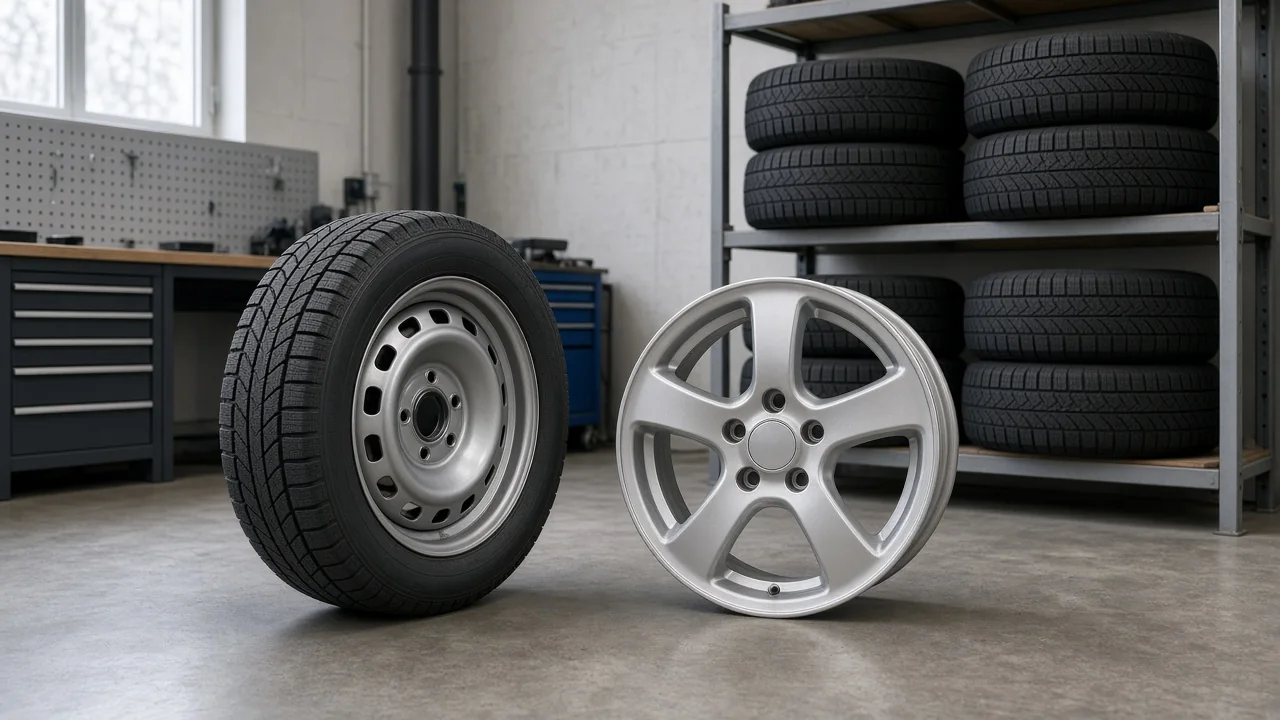
Choosing a rim for winter tires is a fitment and ownership decision, not a shortcut to snow traction. A dedicated winter wheel set keeps winter tires on rims between seasons, while seasonal tire mounting still uses one wheel set. Whether you buy wheels and winter tires together or a winter tires package, wheel fitment, TPMS sensors, and storage shape convenience and cost.
How a Dedicated Winter Wheel Set Works
A dedicated winter wheel set keeps winter tires mounted on their own wheels between seasons. At changeover, a shop installs complete assemblies instead of breaking the bead, yet still checks tread, sidewalls, fasteners, and pressure, and confirms the wheels seat on the hubs. Winter tires on steel wheels or alloy wheels add winter traction only when the tire compound and tread are made for cold weather; rim material does not create grip.
Seasonal tire mounting takes the other path. The shop demounts the current tires, mounts winter tires on the vehicle's existing wheels, and performs mounting and balancing so the assembly runs true. That visit repeats every fall and spring, so valve hardware and bead inspection become part of each appointment. Wheels for winter tires must still fit both the tire and the vehicle. Buying rims with winter tires already mounted does not replace correct wheel fitment.
What to Check When Choosing Steel or Alloy Winter Wheels
Steel rims for winter tires are often chosen when a matching steel wheel is available for the vehicle and a painted finish can tolerate salted slush. Availability is still vehicle-specific. Check finish condition, corrosion, load capacity, and brake clearance before buying steel wheels for winter tires. Winter tires on steel rims only work if the wheel can carry the load and leave room for the brakes. Flaking paint or rust at the bead seat or mounting face needs a closer look.
Alloy winter wheels and tires need the same approved fitment, plus finish care that protects the coating from salt and chips. Corrosion can still start at the barrel, spokes, or hub bore. Confirm load capacity and inspect for bends or cracks before mounting winter tires with rims that have already seen winter use. Material alone cannot prove durability, suitability, or ownership cost. Cracks, significant corrosion, or recurring air loss call for professional inspection.
Confirm Tire Size and Wheel Fitment Before Ordering
Before ordering rims and winter tires, verify wheel diameter, width, bolt pattern, wheel offset, center bore, and load capacity for the exact year, model, trim, and brake package. Matching bolt patterns alone is not enough. Brake clearance and the correct fasteners still matter, including thread, seat type, and length. A similar-looking wheel can sit too far inboard or outboard, or fail to center on the hub. Wheels with winter tires belong on the vehicle only as a documented combination.
Confirm tire size, tire load rating, and any applicable speed-rating requirement from vehicle guidance and a qualified tire professional. An alternate winter wheel diameter needs an approved tire-and-wheel combination so overall diameter and load stay usable. A smaller wheel may not clear the brakes even when the bolt pattern matches. Winter tires and wheels sold together still need that check. People comparing winter rims and tires often skip width and offset, then find rubbing or a load shortfall after delivery.
Account for TPMS Sensors and Seasonal Relearning
Direct TPMS uses wheel-mounted sensors, so a second set of wheels for winter tires may need extra sensors or a plan to move them. Indirect systems use vehicle data and may need initialization after a swap. Verify the vehicle's TPMS type and any sensor protocol, programming, or relearn procedure before buying winter tires and rims. Ask whether the quoted winter tires and rims package includes sensors, compatible valve components, installation, and programming, or whether those items are extra.
A persistent TPMS warning needs attention. Check pressure cold against vehicle guidance, then have sensors and valve hardware inspected if the light stays on. Mounted winter tires can lose air at a valve, sensor seal, or bead even when the tire looks sound. After a complete-wheel changeover, some vehicles need a relearn drive cycle or a scan-tool procedure. Confirm that requirement so winter tires with rim-mounted sensors actually report on the first cold morning.
Build a Seasonal Service and Ownership Budget
A dedicated set starts with wheels, winter tires, applicable sensors, required hardware, mounting, and balancing. Packages of steel rims and winter tires can look cheaper up front, yet sensors, hub-centric rings, and correct fasteners still add cost. Recurring charges differ. Complete-wheel changeovers usually cover swapping assemblies and storing the off-season set. Seasonal tire mounting charges for demounting, mounting, balancing, and valve service each fall and spring. Local quotes matter more than assuming winter tires and steel rims always cost less.
Repeated demounting handles the tire bead each season. Damage is possible if lubrication or technique is poor, so bead inspection belongs on the work order, but it is not inevitable with careful service. Ownership duration, storage fees, and replacement of wheels or sensors all move the budget. A winter tires package that lasts many seasons can absorb a higher first invoice; a short ownership period may not, and there is no fixed payback period. Price winter tires and rims packages against the mounting path you will use.
Plan Seasonal Appointments and Storage
Convenience depends on more than owning winter wheels and tires. Appointment availability at the start of cold weather can lag, so book before the first storm. You still must transport the spare set or arrange shop seasonal tire storage, and storage access matters if the wheels stay at home. Keep stored tires clean, dry, and protected from sunlight and heat, and arrange them according to the tire maker's guidance rather than a generic garage habit.
Before a stored set returns to service, check tread, visible damage, air pressure, and wheel condition, including corrosion at the mounting face and bead seat. Winter tires on rims that sat for months can lose pressure. Installation still needs the correct hardware, specified tightening, and any follow-up checks the vehicle or installer requires. Winter tires with steel rims need the same torque and recheck as alloy assemblies.
Confirm What a Winter Tire and Wheel Package Includes
Package labels vary. Confirm whether a winter tires and rim package means tires alone or winter tires with rims already mounted, and confirm quantity. A four-tire winter tires package is not a four-wheel winter wheels and tires package. Check the itemized quote for mounting, balancing, TPMS components, required hardware, center caps, and vehicle installation. Wheels and winter tires packages that omit sensors or fasteners can look complete until the appointment. Ask the same of winter rims and tires packages sold online.
Confirm the exact tire and wheel specifications and documented fitment for the vehicle's year, model, trim, and brake configuration before you pay. Winter tires and steel wheels must match that configuration whether the set arrives assembled or is built later. Review shipping, taxes, storage charges, warranty terms, and return conditions, including restrictions after mounting. A winter tires with rims package is often nonreturnable once the beads are seated. Compare those offers with a la carte rims for winter tires on the same itemized list.