Winter Tires for a Toyota Tacoma: Sizing, 4WD, and Studded Options
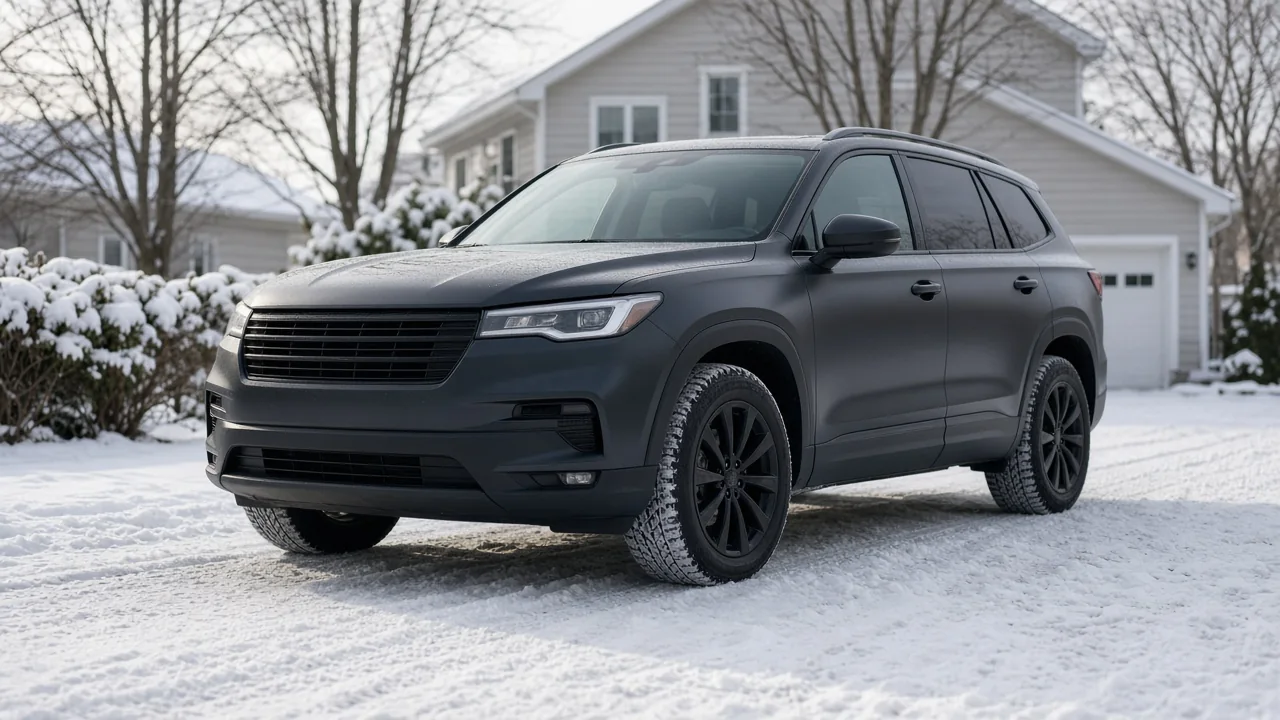
Choosing Toyota Tacoma winter tires starts with how you actually drive in cold weather, not with a single tire type that fits every truck. Dedicated winter tires, all-terrain tires, and studded options all behave differently on packed snow, ice, slush, and cleared pavement. Size, load, four-wheel drive, and winter wheel fitment still have to match your Tacoma before traction claims mean anything on the road.
Start With Your Tacoma’s Winter Driving Conditions
Winter tires for a Toyota Tacoma should match the surfaces you actually see, not a generic snow season. Daily driving on plowed highways with occasional slush calls for a different compound and tread than regular travel on packed snow or ice. Unplowed roads add another demand because the tire has to bite into loose snow and still recover when the surface turns to ice underneath. Write down how often each condition appears on your routes so the choice stays tied to real exposure rather than a worst-case scene you rarely face.
Commute frequency matters because a short weekday trip on cleared pavement does not justify the same winter tire strategy as mountain travel you cannot postpone. If you can wait out a storm, a less aggressive seasonal setup may still serve a Tacoma that mostly sees treated roads. Expected load still belongs in the decision, since a bed full of gear changes how much traction you need under braking. Fitment has to be verified for your truck, and no tire choice promises grip in every winter condition.
Understand Winter Tire Design and Snow Markings
Dedicated winter tires rely on rubber compounds formulated to remain flexible in cold weather, so the tread can still conform to packed snow and ice rather than stiffen into a hard, slick surface. Channels in the tread move slush and water out of the contact patch, and sipes cut extra edges that flex and bite as the tire rolls. Those design pieces work together; none of them, by itself, guarantees stopping or cornering performance on every winter road a Tacoma will see.
The three-peak mountain snowflake symbol indicates that a tire met a standardized snow traction test, not that it will grip ice or shorten braking distances in every condition. Some all-terrain tires carry that same marking, so Tacoma winter tires still require a check of the exact tire's designation and intended seasonal use. Dedicated winter tires remain a seasonal option for owners who want a compound and siping package built around cold-weather work, then swapped off when pavement stays warm. Confirm the sidewall marking on the specific tire, because the snowflake is not a ranking of all-terrain versus winter designs.
Verify Tire Size, Load Requirements, and Wheel Fitment
Start with the door-jamb tire placard and the owner's manual for that specific Tacoma, then account for any wheel or suspension changes already on the truck. Tire size, tire load index, and speed rating have to be confirmed together; a size that looks familiar from another generation or trim is not automatically correct. A qualified tire professional should verify those specifications against the vehicle and any modifications before winter tires for the Tacoma go on the hubs. Do not assume a narrower winter size is suitable without that confirmation.
A separate winter wheel set can make seasonal swaps easier, but winter wheel fitment still needs checks for brake clearance, wheel diameter and width, offset, and tire-pressure monitoring compatibility. Sensors and wheels that do not match the Tacoma's monitoring system can leave you without a reliable pressure warning in cold weather. Offset and diameter also affect how the tire sits in the fender and around the brakes, so visual similarity is not enough. Have those dimensions confirmed on your truck rather than copied from another Tacoma.
Recognize 4WD Limits and the Need for Four Winter Tires
Four-wheel drive helps a Tacoma deliver propulsion on snow by sending torque to more than one axle, but it does not raise the grip available for braking or cornering. Those jobs still depend on the tire's contact patch, so winter tires for Toyota Tacoma trucks should be a matched set of four. Mixing a winter pair with two other tires can create uneven yaw and longer stopping distances when you need the truck to slow or turn. Circumference and wear still have to follow vehicle guidance so the driveline is not fighting mismatched rolling diameters.
Use the owner's manual for permitted four-wheel drive operating conditions and mode selection, including when to stay in two-wheel drive on dry pavement if that is specified. Even with four matching winter tires, longer following distances and gentler steering, throttle, and brake inputs remain the practical way to stay inside available traction. If ice, whiteout, or unplowed grades exceed what the tires can use, postponing the trip is the remaining control you have. Four-wheel drive will not close that gap once the contact patches are sliding.
Check Whether Studded Winter Tires Suit Your Routes
Studded winter tires place metal studs in the tread to improve bite on ice, which is a different job from siping that works in snow. That extra mechanical grip is still limited by ice quality, stud condition, and how much of the route is actually ice rather than packed snow or wet pavement. They do not make every winter surface secure, and they can be a poor match if most of your Tacoma miles are already cleared. Treat studs as a route-specific tool, not a default upgrade for every winter tire set.
State and local rules often restrict studded winter tires by date, highway type, or both, so check every jurisdiction on planned travel routes before you buy or install them. Tires may be sold factory-studded or as studdable casings; any permitted stud installation should be handled by a qualified tire shop so seating follows the tire maker's process. Road noise, pavement restrictions, and routine miles on bare roads are ownership issues that appear after the first ice event. If those tradeoffs do not fit, a non-studded dedicated winter tire may be the more practical seasonal choice.
Plan Installation, Pressure Checks, and Seasonal Storage
Have a tire shop confirm fitment, balance, tire condition, and tire-pressure monitoring operation when the winter set goes on a Tacoma. Balance and monitoring checks catch problems a visual swap can miss, including a sensor that fails to report after the wheels come off. Installation is also the time to inspect remaining tread, sidewall damage, and whether the four tires still belong together as a matched group. Avoid a shortcut that leaves a sensor fault or an unbalanced corner for the first cold commute.
Check cold tire pressure with a gauge before the truck has been driven, using the vehicle placard rather than the maximum pressure molded on the sidewall. The sidewall marking is a limit, not the operating pressure for winter tires on a Tacoma. During the season, look for cuts, bulges, embedded objects, and uneven wear; vibration, persistent pressure loss, or a change in steering or braking feel belongs in a professional inspection. Schedule seasonal changes around local conditions and tire-maker guidance, then store the removed tires clean, dry, and away from sunlight and heat.