Winter Tires for a Toyota Sienna: Sizing, Load Rating, and Comfort
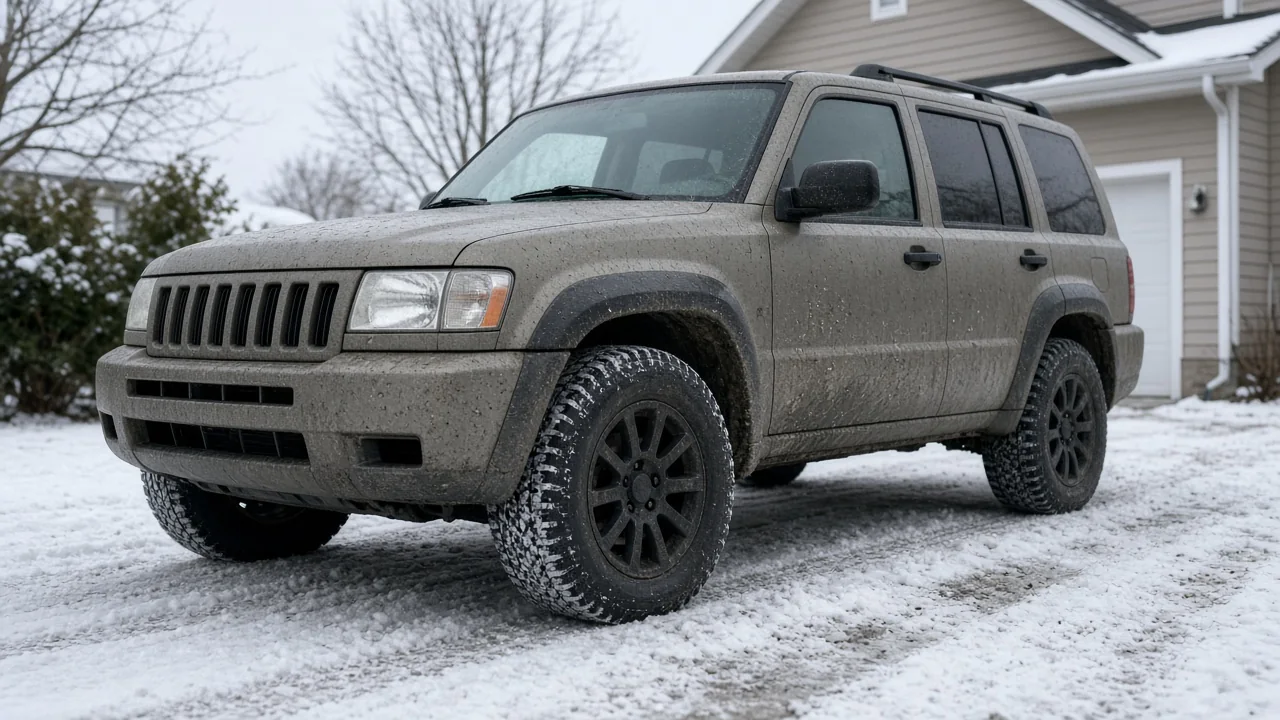
Toyota Sienna winter tires should match the van you actually drive, not a generic minivan size. Model year, trim, wheel package, and whether the Sienna is all-wheel drive all change what belongs on the vehicle. Start with the door-jamb tire placard and owner’s manual, then weigh passenger load, typical winter routes, and how quiet you want the ride.
Start With Your Sienna’s Exact Fitment
Winter tire sizing for a Sienna is not one number for every generation. Wheel diameter, width, and offset vary with model year, trim, and whether factory or aftermarket wheels are installed. A size that looks familiar on another minivan can still be wrong for your van’s load rating, speed rating, or clearance. Read the tire placard on the driver’s door jamb and the owner’s manual first; those sources list the original equipment size and the inflation the vehicle was designed around.
If you consider an alternate size, have a tire professional verify overall diameter, load capacity, speed capability, and brake and fender clearance before you buy. Selection should also reflect how the Sienna is used: full passenger loads, grocery runs, highway commuting, or mountain snow. Local winter severity and typical pavement versus packed snow change which winter compound and tread you should discuss. Ride comfort matters in a family van, so ask how a candidate tire behaves on dry cold pavement as well as in snow, rather than shopping only by size.
Choose Winter Capability for Your Driving Conditions
The three-peak mountain snowflake marking on a sidewall means the tire met a standardized snow traction test used to identify severe-snow service. That mark is useful when shopping Toyota Sienna winter tires, but it does not grade ice braking, slush handling, or wet stopping on its own. Two tires can both carry the symbol and still feel different on polished ice or during a panic stop. Treat the marking as a winter-capability filter, then compare compounds, siping, and how the tire is described for ice and packed snow.
Repeated freezing temperatures, packed snow, slush, and icy neighborhood streets all argue for a dedicated winter set rather than an all-season compromise, especially if the Sienna spends mornings on untreated roads. A winter designation still cannot guarantee traction in every condition. Speed, following distance, tire pressure, and the actual surface under the van remain decisive. Even a well-marked winter tire can slide on glare ice or in deep unplowed snow, so capability on the sidewall should support, not replace, conservative winter driving.
Check Load Capacity for Passengers and Cargo
The tire load index is a sidewall number that corresponds to how much weight that tire is designed to carry at a specified inflation. For a family hauler, every winter tire must meet or exceed the load requirement shown for your Sienna, not a lower index that happens to fit the wheel. Check the placard and owner’s manual rather than guessing from another model year. Passengers, child seats, luggage, strollers, and sports gear all add to the load the four tires must share, so the vehicle labels—not a salesperson’s estimate—set the floor.
A tire with extra load capacity does not raise the Sienna’s permitted payload. Gross vehicle weight and axle limits still apply even if the winter tires are stronger than the originals. Inflation guidance also comes from the vehicle’s specified pressures for the fitment in use. The maximum pressure molded into the tire sidewall is a tire limit, not the everyday cold-inflation target for the van. Set pressure from the placard or a verified alternate-fitment specification, then recheck when temperatures drop, because cold air reduces gauge readings.
Confirm Tire Requirements for an AWD Sienna
AWD tire requirements for a Sienna are written for that model year and drivetrain, so read the owner’s manual before mixing sizes, brands, or leftover summer tires. Many all-wheel-drive systems expect similar rolling characteristics at all four corners. A coordinated set of four winter tires keeps diameter, tread, and compound consistent, which supports predictable handling. Mixing a winter tire with a worn all-season, or pairing different tread depths front to rear, can change how the van steers, brakes, and shares torque.
All-wheel drive helps the Sienna put power down on snow, but it does not create extra grip for braking or turning. Those jobs still depend on the contact patches. If you already own a winter set, have an installer assess size, condition, remaining tread, and whether the four tires still match closely enough to use together. There is no universal tread-depth difference that is always acceptable, so the shop should follow the vehicle maker’s guidance and the tire maker’s matching advice for your specific set.
Evaluate Quiet Ride Claims and Winter Wheel Packages
Winter tread noise is not only a product of the tire’s name. Blocky snow patterns, siping, pavement texture, inflation, wear, and the Sienna’s own insulation all change what you hear at highway speed. A tire that is quiet on one road can roar on coarse concrete. When you compare quiet-riding options in a verified Sienna fitment, read independent noise comments as clues, not as a promise of silent operation. There is no single quietest winter tire that fits every wheel package.
A dedicated winter wheel package can make seasonal swaps easier, but the wheels must still carry the van’s load, clear the brakes, and match the required diameter, width, offset, and hub. Confirm tire pressure monitoring compatibility so sensors, if used, seat correctly and report to the vehicle. Do not assume a diameter change is approved just because a tire’s overall diameter looks close to stock. Have the package checked against the Sienna’s specifications so comfort, load rating, and electronics stay within what the vehicle was designed to use.
Inspect and Install the Winter Set Safely
Before you buy, confirm verified fitment for your year and wheels, load index and speed capability that meet the vehicle’s requirements, a winter or three-peak mountain snowflake marking if that is the capability you need, and that all four tires match in size, construction, and condition. Reject a mixed leftover pair. At home, check cold tire pressure against the placard, look for cuts, bulges, cracks, and uneven wear, and stop using a tire that is losing pressure or causing vibration until a qualified shop inspects it.
Professional installation should include mounting, balancing, torque to the vehicle’s wheel-fastener specification, and confirmation that the tire pressure monitoring system operates correctly after the swap. Seasonal timing should follow local weather and the tire manufacturer’s temperature guidance rather than a calendar date that ignores your climate. Store the unused set clean, away from ozone sources and prolonged sun, and have the shop inspect it again before the next winter. Manufacturer storage and wear advice, not a fixed mileage interval, should decide when a winter set is due for replacement.