Winter Tires for a Toyota RAV4: Sizing and Wheel Fitment
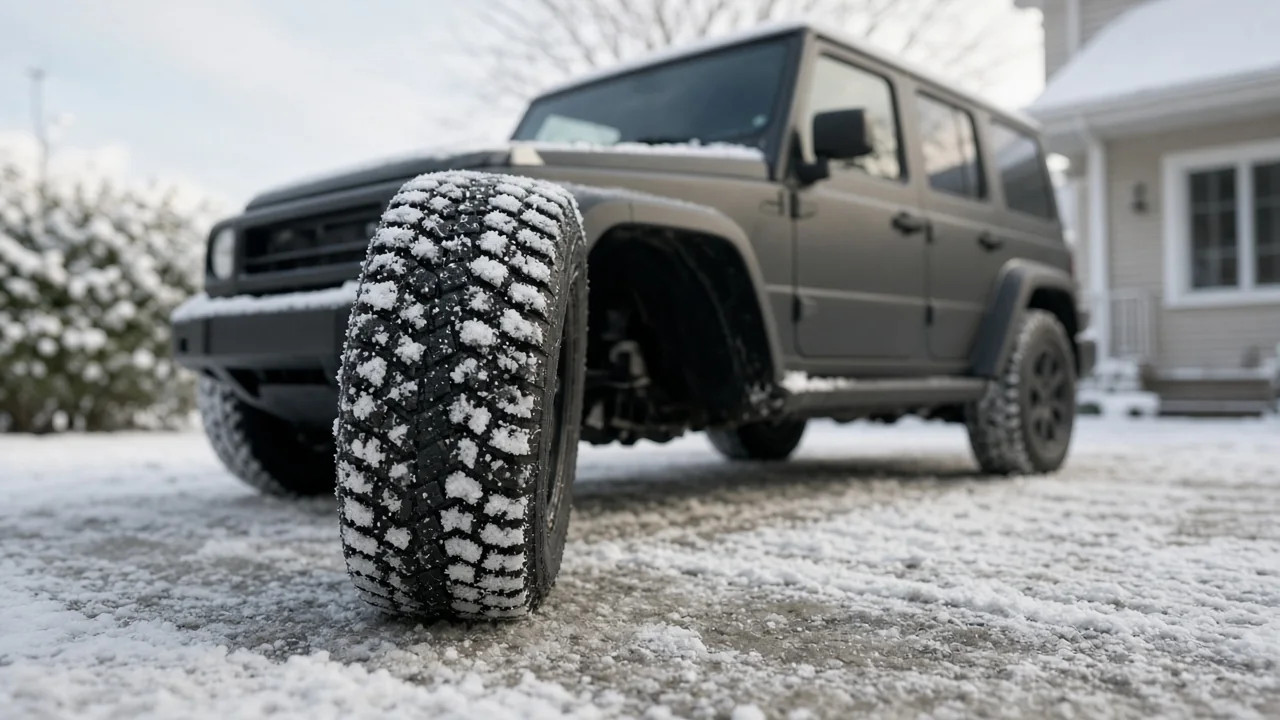
Winter tires for a Toyota RAV4 should be chosen from the vehicle’s actual configuration, not from a generic size list or whatever tires are already mounted. Factory packages, drivetrain layout, and expected snow and ice exposure all shape winter tire sizing and winter wheel fitment. Start with the placard and owner’s manual, then confirm markings, load index, and speed rating before buying a seasonal set.
Start With Your RAV4’s Exact Configuration
Before shopping for Toyota RAV4 winter tires, record the model year, trim, powertrain, and whether the vehicle is all-wheel drive or front-wheel drive. Those details, plus the original wheel package, determine which sizes and load ratings belong on that RAV4. The tire information placard, usually on the driver’s door jamb, and the owner’s manual list the specified tire size and inflation guidance. Use those sources as the starting specification, not a listing copied from another trim.
Tires already mounted on a used RAV4 do not prove the factory specification. A previous owner may have changed diameter, width, or load capacity, so treat the current set as one data point and confirm it against the placard and manual. After the size is identified, frame the winter choice around expected temperatures, snow and ice exposure, and how the vehicle is actually driven. A commuter on treated highways has different seasonal needs than a RAV4 that regularly sees packed snow, ice, or unplowed roads.
Check Winter Tire Markings and Specifications
The three-peak mountain snowflake symbol is a qualifying snow-traction designation, not a guarantee of ice grip or short stopping distance. It indicates the tire met a standardized snow traction test relative to a reference tire, which is useful when comparing winter tires for Toyota RAV4 use in snow. That same marking also appears on some products marketed for year-round service. Confirm the tire’s intended seasonal application so a three-peak all-season design is not assumed to behave like a dedicated winter compound in prolonged cold.
Winter tire sizing still has to match the vehicle’s required size, tire load index, and a speed rating appropriate for how the RAV4 is used. Do not assume a lower speed rating is automatically acceptable because winter driving is slower; any proposed rating change should be reviewed with a qualified tire professional against the vehicle’s guidance. Aggressive siping or a blocky tread pattern is not enough by itself. Tread design cannot establish suitability for a particular RAV4 or for a specific mix of ice, slush, and dry cold pavement.
Plan a Complete Winter Tire Set for AWD or FWD
Both all-wheel-drive and front-wheel-drive RAV4 configurations depend on tire grip for braking and cornering. Drivetrain layout changes how driving force reaches the road, but it does not rewrite friction at the contact patch. All-wheel drive can help deliver torque when a surface is slick, yet it does not raise the limits of winter traction, shorten stopping distance by itself, or keep the vehicle from sliding in a turn. Matching winter tires remain the foundation of control whether the RAV4 is AWD or FWD.
Fit four matching winter tires rather than placing winter rubber only on the driven axle. Mixed compounds and tread depths can make the front and rear respond differently under braking and in a curve, which is especially unhelpful on ice. For AWD RAV4 models, also follow the applicable guidance on tire size, remaining tread, and rolling circumference across the set. Large differences in circumference can affect how the drivetrain shares torque. A complete matched set keeps handling more predictable than a two-tire winter conversion.
Verify Factory Tire Sizes for Your Model Year
Factory wheel and tire packages on the RAV4 vary by model year and configuration, so there is no single winter tire size for every Toyota RAV4. A size marking typically lists section width in millimeters, aspect ratio as a percentage of that width, and wheel diameter in inches. Those three numbers describe the tire’s intended envelope, but they do not by themselves approve a swap. Read the placard size as the reference, then confirm any alternative against vehicle-specific guidance rather than treating a catalog listing as fitment.
A size offered on another RAV4 trim is not automatically correct for yours. Wheel diameter, width, offset, and brake packages can differ, so vehicle-specific confirmation is required before copying another owner’s winter setup. Approved overall tire diameter matters for clearance in the wheel well and for systems that use wheel speed, while load capacity has to support the vehicle’s carrying requirements. Choosing a tire that is merely close in appearance can change ride height, rubbing risk, and how much load the set can carry.
Confirm Fitment Before Downsizing Winter Wheels
A dedicated winter wheel set is a complete set of road wheels with winter tires, not the compact emergency spare. Owners often downsize the wheel diameter for a seasonal package, but a smaller wheel still needs an approved tire size that preserves suitable overall diameter and load capacity. Changing only the rim without matching the tire’s envelope can alter speedometer reading, clearance, and load capability. Treat downsizing as a fitment project, not as a shortcut based on another owner’s photos.
Have a qualified shop check winter wheel fitment, including brake clearance, wheel width, offset, bolt pattern, center bore, wheel load rating, and the correct fastening hardware. Compatible tire pressure monitoring system sensors, and any vehicle-specific registration or relearn procedure, also belong in that check so warnings are not ignored after the swap. A tire-size calculator or another owner’s setup cannot confirm safe fitment by itself. Those tools may estimate diameter, but they do not verify caliper clearance, hub seating, or sensor compatibility on your RAV4.
Prepare the Winter Set for Seasonal Use
Plan installation from local weather and the tire manufacturer’s temperature guidance rather than a fixed seasonal date. Winter tires Toyota RAV4 drivers mount too late still work in a storm, but cold-weather compounds are meant for the temperature range the maker describes, which can arrive well before the first snow. Set cold tire pressure from the vehicle placard, and get a documented inflation recommendation if the winter size is an approved alternative. Inspect for visible damage, irregular wear, and insufficient tread, and have a tire professional assess questionable condition or age.
Persistent tire pressure monitoring system warnings, vibration, rubbing, or a sudden change in steering or braking response call for professional inspection rather than continued driving to see if the issue fades. After the season, store the winter set clean and dry, away from sunlight and heat, following the tire manufacturer’s storage guidance. Keep the tires upright or stacked only as the maker allows, and protect the wheels from corrosion. Confirm condition and inflation again at the next install before the matching set returns to service.