Winter Tires for a Toyota Prius: Sizing, Snow Grip, and MPG
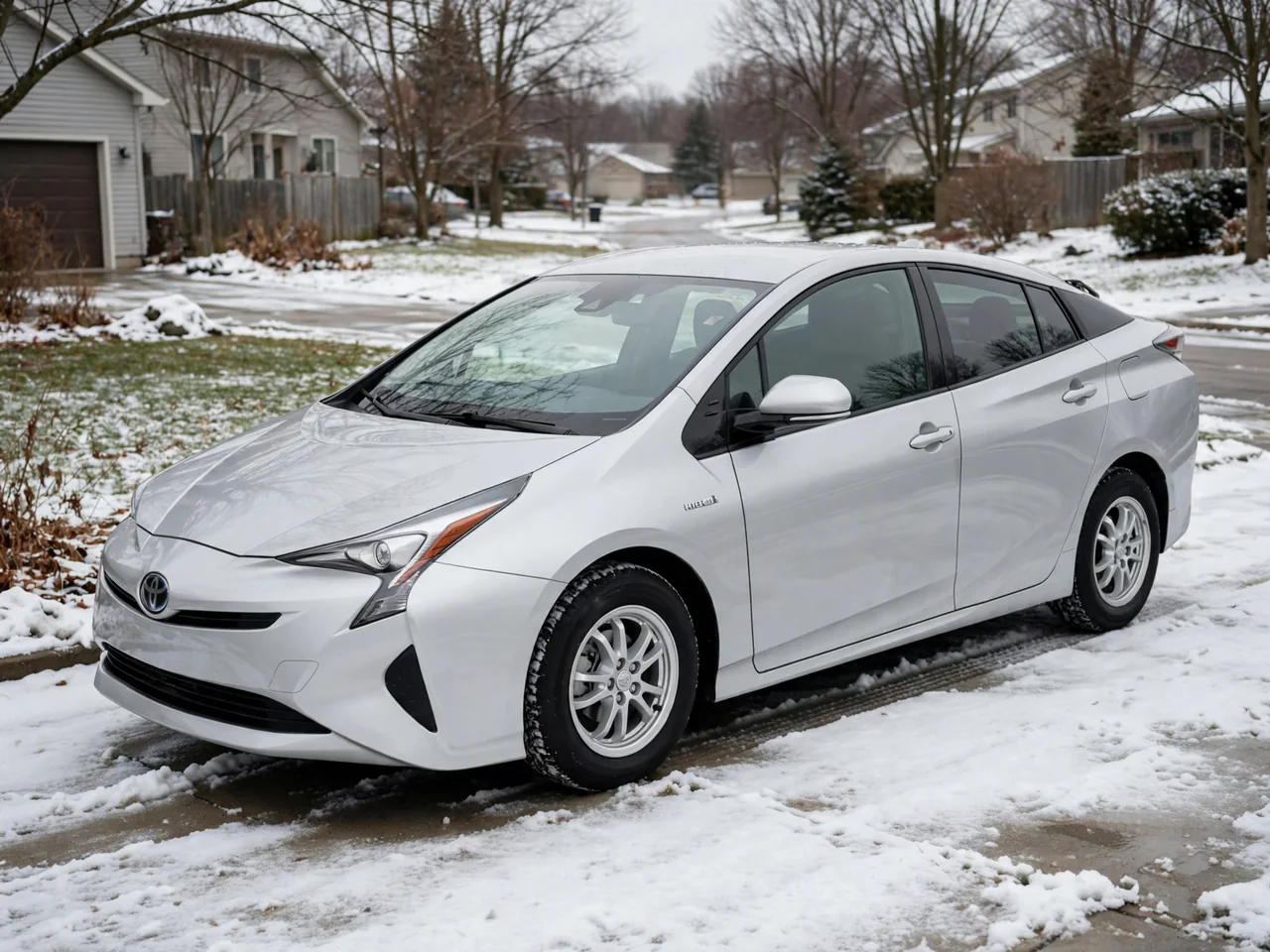
Prius winter tires matter when cold pavement, ice, and packed snow show up on routes you cannot skip. Toyota Prius winter tires are not one product for every year and trim, so start with your car, your roads, and how the hybrid uses grip. Winter tires for a Toyota Prius change traction, rolling resistance, and cold-weather fuel economy together, which is why sizing, markings, and pressure deserve a careful look before you buy.
Start With Your Prius and Its Winter Driving Conditions
Recurring snow, ice, and subfreezing temperatures change what a Prius needs from its tires more than a mild rainy winter does. If you drive daily on untreated roads, climb hills, or cannot delay a commute, winter tires for Prius use become a traction decision rather than a seasonal accessory. Confirm the model year, trim, and original wheel specification first, because generations do not share one approved tire size or load rating. A dedicated winter set only helps if it actually fits your car and carries the weight your hybrid is designed to support.
Traction control, stability control, and anti-lock braking on a Prius can only work with the grip the tires still have. Those systems modulate power and brakes; they do not create friction on ice or polished snow. Winter tires Prius owners choose should match the roads they actually use, because a packed-snow commute is a different problem than glare ice in a parking lot. Even a well-matched set cannot guarantee control if speed, following distance, or road treatment is outside what rubber can hold.
Understand Winter Tire Markings and Traction Limits
The three-peak mountain snowflake symbol on a sidewall means the tire met a standardized snow traction test, not that it will hold on every icy surface. Black ice, refrozen slush, and polished intersections can still exceed what that marking certifies. Winter tire tread uses deeper voids, many sipes, and a rubber compound that stays more flexible in cold weather so the contact patch can still bite packed snow. Those design features support cold-weather traction, but they do not turn a Prius into an all-terrain vehicle or remove the need to slow down.
A matching set of four winter tires keeps front and rear grip in the same range, which matters on a front-drive Prius when you brake, turn, and accelerate on mixed surfaces. Mixing winter and all-season rubber can make the car rotate or understeer in ways the stability system then has to chase. After installation, tire condition, road surface, speed, and following distance still decide whether that grip is enough. Worn sipes, overinflation, or a glazed surface can undo much of what the snowflake marking suggested on a new tire.
Account for Rolling Resistance and Winter Fuel Economy
A Prius still spends energy deforming each tire as it rolls, and that rolling resistance is part of the work the hybrid system must cover. A more aggressive winter tread and a softer cold-weather compound can increase that deformation compared with a low-rolling-resistance all-season tire. That does not mean winter tires for Toyota Prius driving will always produce a large mileage drop, because load, speed, and surface also change the energy cost. Think of rolling resistance as one continuous load on the powertrain, not a switch that winter rubber flips on or off.
Low-rolling-resistance labeling is one selection consideration, not proof of winter traction or a guaranteed fuel economy result. A tire can be efficient on dry pavement and still lack the siping and compound a snow commute needs. Cold-weather fuel economy also depends on cold starts, cabin heating, wet or snow-packed roads, tire pressure, and whether trips are short enough that the engine stays in warmup more often. A tire-related MPG change cannot be predicted from the winter designation alone, so treat mileage as something to observe on your routes rather than a figure promised by the sidewall.
Verify Tire Sizes and Wheel Fitment Before Buying
Start with the tire placard and owner's manual for original specifications, then ask a qualified tire professional about approved tire sizes and any alternate winter fitment for your exact Prius. Do not assume a size that fits one generation will clear the brakes, fenders, or sensors on another. You still need to verify tire dimensions, tire load rating, speed-rating requirements, and wheel specifications against that car, not against a catalog listing. Load capacity has to support the vehicle's weight and cargo; a winter tire that is merely the right diameter can still be the wrong construction.
A dedicated winter wheel set needs extra checks beyond the printed size. Brake clearance, overall tire diameter, and tire pressure monitoring system compatibility all matter if you plan to swap wheels rather than remount rubber each season. Sensors, valve stems, and the monitoring system's expected wheel and tire combination should be confirmed so a pressure warning is not created by mismatched hardware. No single tire size or wheel diameter is suitable for every Prius generation and trim, which is why fitment has to be vehicle-specific rather than borrowed from a similar-looking hybrid.
Decide Whether a Narrower Winter Size Is Appropriate
Narrower tires can help in snow by concentrating vehicle weight on a smaller contact patch, which can let the tread cut down through loose snow and slush instead of floating on top. That effect is not automatic. Snow depth, surface hardness, winter tire tread design, tire construction, and vehicle load all change whether a narrower section width actually improves mobility. Width alone does not establish traction, and a narrow tire on ice can still skate if the compound and sipes are not doing their job.
Any narrower size still has to be a verified fitment that keeps appropriate load capacity, overall diameter, and clearance around brakes, suspension, and bodywork. A calculator or another Prius owner's setup is not enough, because wheel offset, brake package, and generation-specific inner liners can differ even when the cars look similar. Selecting a narrower winter size solely from an online chart can leave you with a tire that fits the rim but not the load rating or the speedometer's expected rolling circumference. Confirm the alternate size with a professional against your vehicle's specifications before you buy.
Check Pressure, Condition, and Seasonal Readiness
Check cold tire pressure against the vehicle's specified pressure on the placard, not the maximum molded on the tire sidewall. That sidewall number is a limit for the tire, not the inflation Toyota assigned to your Prius. If you run an approved alternate size, get professional guidance on the pressure that size should use so load support and the tire pressure monitoring system still make sense. Air contracts as temperature drops, so a reading taken after a highway run can hide an underinflated tire that was low when the car sat overnight.
Look over the set for remaining tread, cuts, cracks, bulges, and uneven wear before you mount it for the season. A tire professional should inspect the set if you see shoulder wear, impact damage, or aging that you cannot judge from a quick walk-around. A persistent pressure warning, vibration, or unusual handling is evidence to interpret, not proof that winter rubber always feels different, and it warrants inspection rather than a wait-and-see approach. Plan installation and removal around local snow, ice, and temperature patterns and the tire maker's storage guidance, without treating any calendar date as a universal service interval.