Winter, Snow and Studded Tire Wear: Why They Wear Fast and How to Extend Life
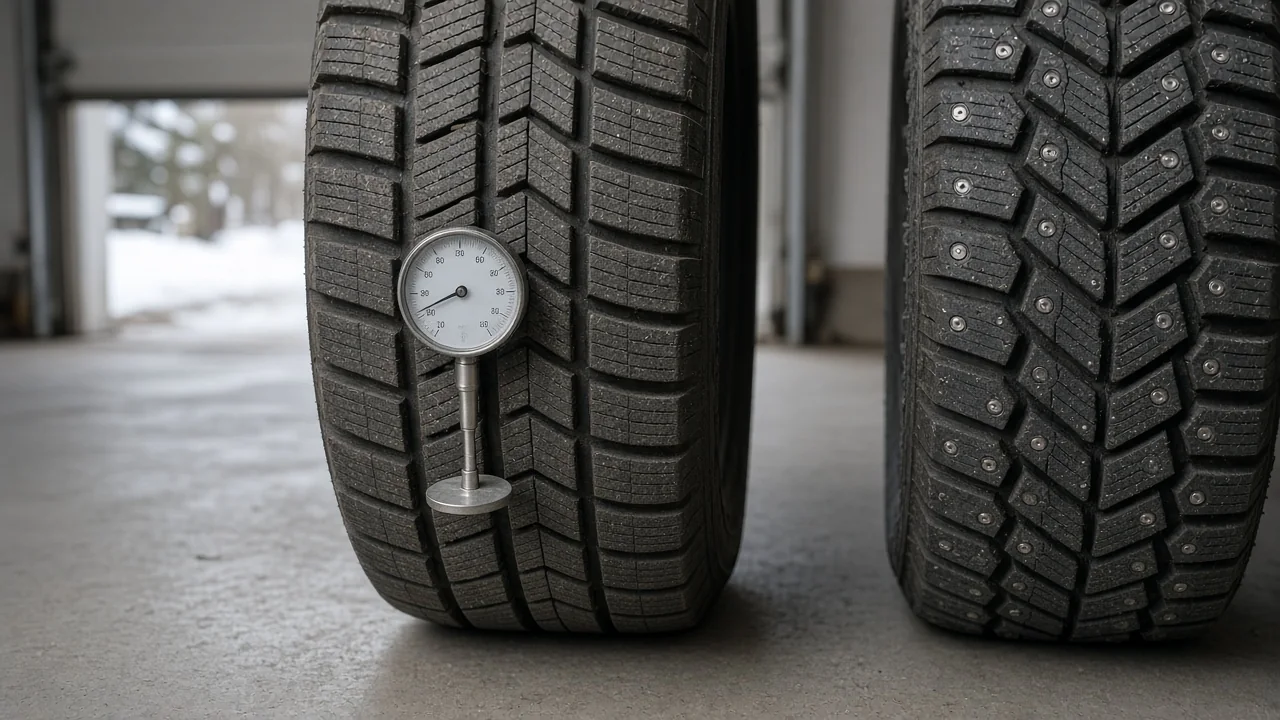
Snow tire wear, winter tire wear, and studded tire wear all stem from the same core issue: these tires are built for cold, slippery conditions, not warm, dry pavement. Their specialized rubber compounds and aggressive tread designs sacrifice longevity for grip. Understanding why they wear fast—and how to check their condition and time seasonal swaps—can help you extend their useful life without giving up winter safety.
Why Soft Winter Tire Rubber Wears Quickly in Warm and Dry Conditions
Winter tires use a rubber compound engineered to remain pliable in freezing temperatures. This softness allows the tread to conform to ice and packed snow, but it becomes a liability when the thermometer climbs. On warm, dry roads, the tread blocks flex excessively and generate heat through internal friction, which accelerates abrasion and wears the rubber down much faster than on cold, slick surfaces.
Running winter tires late into spring or mounting them early in fall can noticeably shorten their usable life. A stretch of unseasonably warm weather can cause rapid tread loss, even if the calendar says winter is near. Wear rates depend on the tire model, vehicle weight, and local climate, so no universal mileage figure applies. Always consult the tire manufacturer's guidelines for temperature ranges and expected service life.
How Snow Tire Tread Design Affects the Way It Wears
Snow tires feature deep tread blocks and dense siping—thousands of small slits that open to grip ice and snow. On dry pavement, these elements flex and squirm as the tire rolls, creating extra friction and heat. That movement breaks down the rubber over time, rounding block edges and smoothing the fine cuts. The more aggressively siped the tire, the more pronounced this dry-road wear becomes.
Even when tread depth appears adequate, worn siping and shallower grooves severely reduce winter capability. A tire that has lost the sharp edges of its tread blocks cannot bite into snow or channel slush effectively. Visual signs include blocks that look melted or smoothed over, fading sipes that no longer separate, and a generally polished tread face. Such tires may still pass a tread-depth test but have lost much of their winter grip.
Studded Tire Wear: The Studs and the Rubber Around Them
Studded tires experience wear on two fronts: the rubber tread itself and the metal studs embedded in it. As the tread wears down, the studs can loosen, fall out, or become less effective. On bare, dry pavement, the studs are forced against hard asphalt with every wheel revolution, which grinds them down and can push them deeper into the tread or break them off entirely.
Visual checks should look for missing studs, studs worn flush with the tread surface, loose or wobbly studs, and cracking or tearing of the rubber around stud holes. Because stud regulations vary widely by state and local jurisdiction, confirm when and where studded tires are legal before using them. If stud loss is widespread or uneven, have a tire professional inspect the set rather than attempting to reseat or replace studs without proper equipment and training.
Driving Habits, Tire Pressure and Alignment That Speed Up Winter Tire Wear
Aggressive driving takes a heavy toll on soft winter compounds. Hard acceleration, panic braking, and fast cornering scrub the tread blocks against the pavement, generating heat and tearing away rubber. Studded tires suffer even more, as sudden forces can snap or bend studs. Smooth, gradual inputs help preserve tread depth and keep studs seated longer.
Cold weather causes tire pressure to drop, and running underinflated or overinflated tires creates uneven wear. Use the pressure listed on the vehicle's door placard, not the tire sidewall, and check it monthly. Misalignment or worn suspension parts can cause edge wear, cupping, or patchy patterns; only a professional alignment check can confirm the cause. Rotating tires according to the vehicle or tire maker's pattern evens out wear across all four positions.
How to Check Remaining Winter Tread and Stud Condition
Use a tread depth gauge to measure at several points across and around each tire, recording the lowest reading. Built-in wear indicators—raised bars in the grooves—show when tread reaches the legal minimum, but winter tires often lose snow traction before that point. Some winter tires include a second, higher indicator that disappears when the tire is no longer suitable for snow.
Inspect for uneven wear patterns such as center, edge, or cupped wear, which indicate pressure or alignment issues that need professional diagnosis. Park on level ground, set the parking brake, and look for cracks, bulges, cuts, and dry rot. Also check the tire's DOT manufacture date and compare its age against the maker's guidance, because rubber hardens over time even if tread remains.
Seasonal Swap Timing and Off-Season Storage to Extend Winter Tire Life
Base seasonal swaps on steady local temperatures and road conditions, not a fixed date. Many tire makers specify a temperature threshold—often around 45°F—for winter tire use. Swapping too late in spring accelerates wear on warm roads, while swapping too early in fall risks being caught by an early snowstorm on summer tires. Monitor the forecast and average daily highs to find the right window.
Proper storage preserves the rubber and studs. Clean the tires thoroughly, keep them out of direct sunlight, and store them away from heat sources and electric motors that produce ozone, which degrades rubber. Stack or hang them according to the manufacturer's recommendation. Mark each tire's position before removal so you can rotate properly upon reinstallation. If any tire shows damage or unusual wear from the previous season, have it inspected before mounting.