Winter Driving Toolbox Talk: Safety Topics and Tips for Employees Who Drive
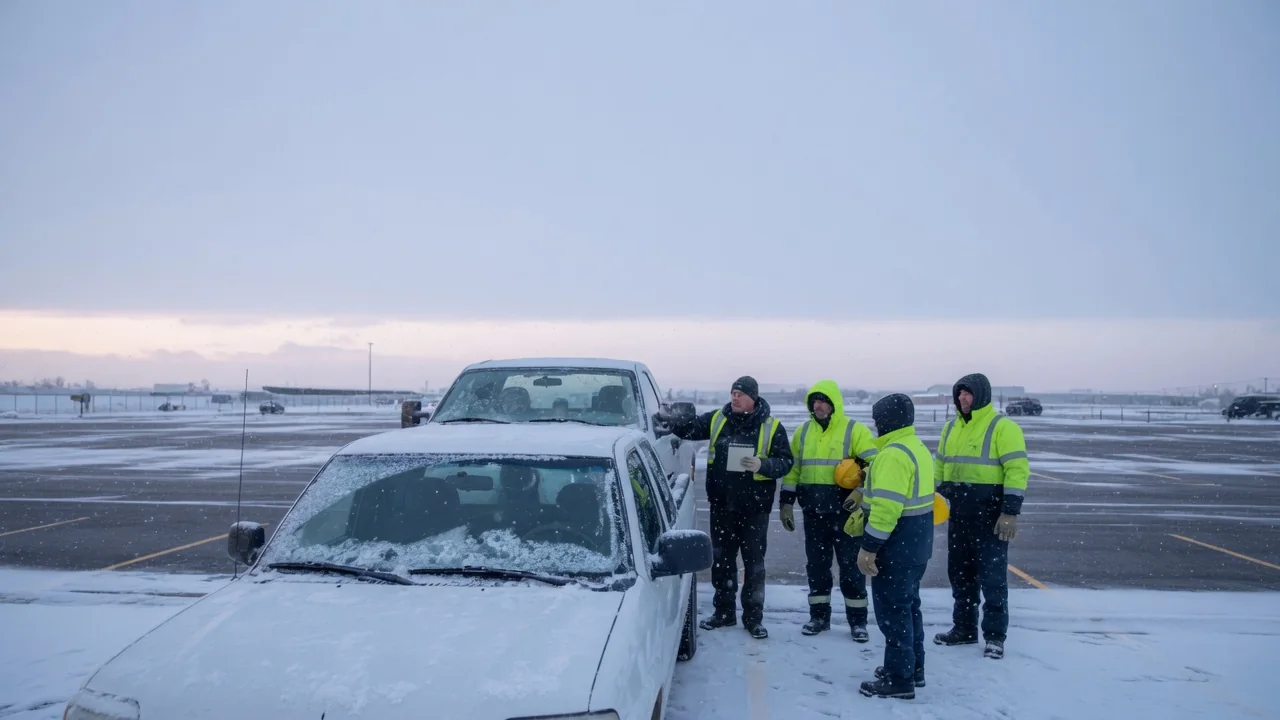
As temperatures drop and roads turn slick, employees who drive for work face hazards that can change from mile to mile. A winter driving toolbox talk gives supervisors a structured way to address these risks before a shift or ahead of a storm. This article provides safety topics, practical tips, and policy points for a focused discussion that helps drivers recognize reduced traction and poor visibility. Use these short safety moments and meeting outlines to reinforce smart decisions behind the wheel and support a strong fleet safety culture.
How to Run a Short Winter Driving Toolbox Talk at Work
A winter driving toolbox talk is a brief, focused discussion held before the season or ahead of forecast bad weather to refresh employees on seasonal hazards. The goal is not a formal training session but a safety huddle that connects daily work routines to changing road conditions. Leaders can open with a question like "What is the slickest spot you have seen this week?" to draw out real experiences. Keep the session to 5–10 minutes, covering two or three key hazards, practical actions, and a closing commitment to drive cautiously.
Adapt the talk for different crews by focusing on their typical exposure. Field technicians and delivery drivers may need more emphasis on pre-trip inspection and journey management, while sales staff and commuters benefit from reminders about black ice and following distance. Invite drivers to share recent near misses or road conditions they have seen; this makes the discussion concrete and builds peer learning. Record attendance and questions raised so follow-up actions are not lost, and schedule a repeat talk before any predicted storm.
Winter Driving Safety Moment: A Ready-to-Read Opening Message
A winter driving safety moment can open a meeting with a relatable, plain-language story read aloud in under two minutes. For example: "At 6 a.m. the roads looked wet, but the shaded bridge was covered in black ice. A driver braked normally and felt the rear slide. He steered gently and slowed, avoiding a crash by staying smooth." This short winter driving safety message leads to one clear point: when conditions change, slow down, add space, and allow extra time. End with a question such as "What do you check before leaving in winter weather?" to prompt discussion.
This format also works as a pinned message, email, or pre-shift huddle note. Keep it under 150 words so it can be read quickly and remembered. Use a winter driving safety message that ties to the crew's routes, such as a sudden snow squall on the way to a job site. Close with one simple action: clear all windows, check the forecast, and increase following distance. A short safety share like this reinforces a winter driving safety topic without taking time away from the workday.
Key Winter Driving Safety Topics for Meetings
Rotate through core winter driving safety topics to keep meetings fresh: reduced traction, longer stopping distances, black ice, poor visibility, and shorter daylight. Reduced traction means the tires cannot grip as well on snow, ice, or slush, so every input must be gentler. Longer stopping distances require doubling or tripling the gap to the vehicle ahead. Black ice is nearly invisible and often forms on bridges, overpasses, shaded stretches, and intersections where cold air circulates beneath the road. Pair each topic with a discussion question to keep the group engaged.
Skid awareness should be taught in general terms, emphasizing smooth steering, gentle braking, and avoiding sudden inputs, without claiming one technique suits every vehicle. Fatigue, distraction, and rushing to meet schedules are winter risk multipliers because they shorten reaction time and invite abrupt maneuvers. Discuss how a hurried delivery driver may brake late on an icy hill and lose control. Ask: "What schedule pressure have you felt during winter weather, and how can we plan around it?" This makes winter driving safety topics concrete and actionable.
Winter Driving Safety Tips Employees Can Use Every Trip
Before departure, check the weather and road reports and adjust the route or timing when conditions look poor. A delayed start may be safer than driving through a squall. Clear snow and ice from all windows, lights, mirrors, and the roof before driving; snow blowing off the roof can blind a following driver, and frosted mirrors create blind spots. Increase following distance, lower speed to match conditions, and use headlights for visibility even during daylight snowfall. On slippery surfaces, avoid cruise control because it can accelerate unexpectedly when traction is lost.
Keep phones out of hand and treat every drive as a focused task; a glance at a message can mean missing a patch of black ice. For long or remote trips, tell a supervisor or coworker the route and expected arrival time. This trip check-in creates a safety net if a vehicle slides off the road or becomes stuck. A simple call or text on departure and arrival supports journey management and can speed up help in an emergency. These winter driving safety tips for employees are easy to adopt and reinforce a culture of caution.
Pre-Trip Vehicle Checks and a Winter Emergency Kit
Simple visual walk-around checks catch many winter failures before they strand a driver. Check tire condition and pressure, lights, wipers, washer fluid, and any visible warning lights on the dash. A torn wiper blade or low tread reduces control in slush. Drivers should report defects rather than attempt repairs on the road, and follow the vehicle owner's manual for maintenance. For company vehicles, the organization may assign specific responsibilities for seasonal tires, fluids, and inspections, but every driver can complete a basic check.
A winter emergency kit should include a scraper, blanket, flashlight, gloves, water, snacks, phone charger, and warning devices such as triangles or flares. If stranded, stay with the vehicle when safe, keep the exhaust clear of snow to avoid carbon monoxide, and call for help. Running the engine intermittently can provide heat but must be done with the window cracked and the tailpipe free of obstruction. Employees should know the company's breakdown and incident reporting procedure so they can summon assistance without delay.
Winter Driving Policy Points for Employers
A written winter driving policy commonly covers trip approval, weather-based postponement, and check-in rules. It may specify that non-essential travel is deferred when a storm warning is issued, and that long trips require a supervisor's approval and a journey management plan. Employees should not be pressured to drive when conditions are unsafe; the policy must state how to raise concerns without fear of reprisal. This supports work-related driving safety by making it acceptable to delay a delivery or service call when roads are impassable.
Address company vehicle readiness by defining who is responsible for seasonal tires, fluids, and inspections, as set by the organization. Include expectations on phone use, seat belts, fatigue, and working hours during winter operations, since long shifts and night driving increase risk. Review the policy each season and align it with local laws and the organization's own safety program. A clear winter driving policy gives supervisors a reference for decisions and shows employees that safety is a shared priority.
Winter Driving Training Beyond the Toolbox Talk
Toolbox talks fit alongside more formal winter driving safety training rather than replacing it. A talk raises awareness, but structured training builds skills. Common formats include classroom sessions, online modules, and supervised practical instruction from qualified providers. Practical training on a closed course can demonstrate smooth braking and steering on ice, while online modules reinforce winter driving safety topics through scenarios and quizzes. Organizations should match training depth to exposure, with more attention for high-mileage or rural drivers who face long distances and remote roads.
Schedule refreshers before each winter and after any incident or near miss. A near miss report can reveal a training gap, such as drivers not recognizing black ice on bridges. Close with a quick checklist leaders can use to confirm the talk, policy, and training are in place: Was a toolbox talk held this season? Is the winter driving policy current and signed? Have all drivers completed winter driving safety training within the past year? This checklist turns winter driving safety topics into a managed program.