Winter Driving Techniques: How to Control a Skid and Drive on Ice
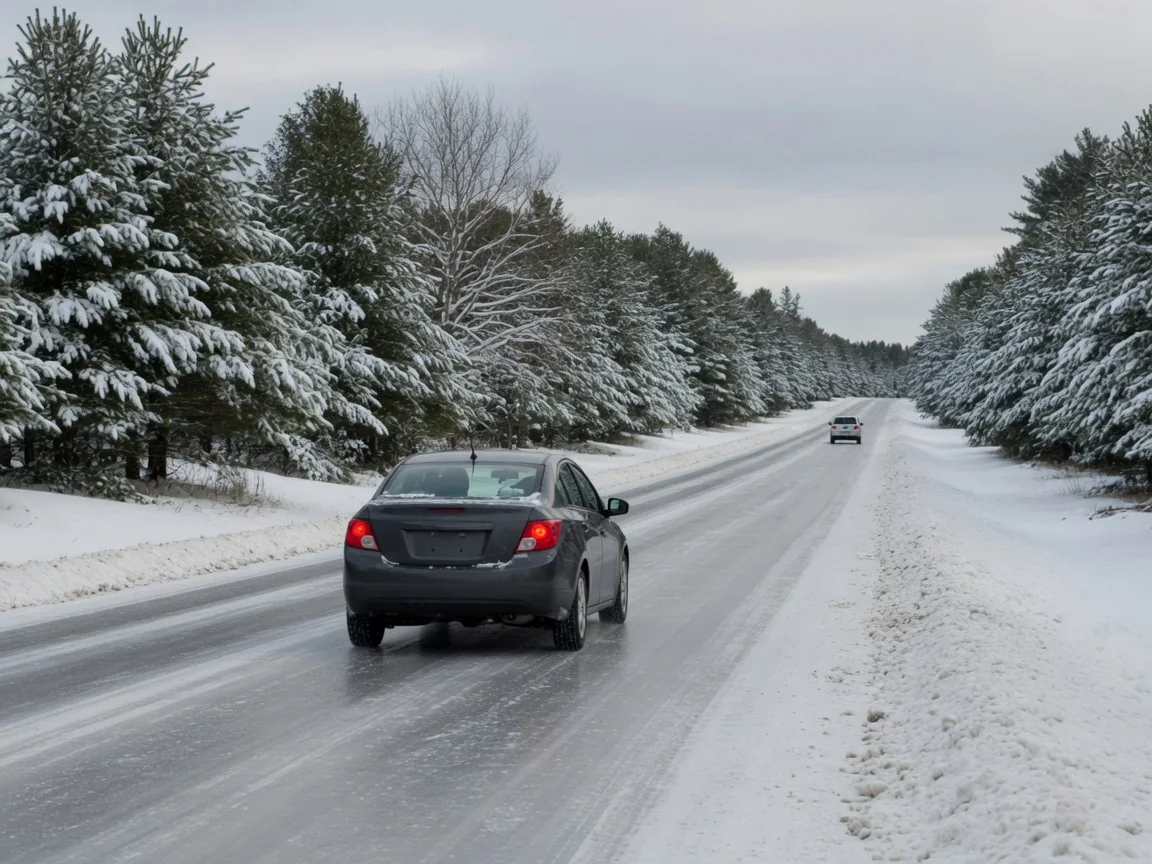
When snow and ice coat the road, ordinary driving habits quickly turn dangerous. A car can lose grip in a heartbeat, sending it into a slide that feels overwhelming. The key to staying safe is not just braking or steering harder; it is learning winter driving techniques that prevent slips and knowing how to control a skid when one begins. Driving on ice demands a completely different mindset, one built around smooth inputs, generous space, and constant awareness of the surface beneath your tires.
Core Winter Driving Techniques: Smooth Inputs, Space and Speed
Every winter driving technique starts with being smooth. Sudden steering, stabbing the throttle, or slamming the brakes asks more from your tires than they can give on slick pavement. On dry asphalt, tires have abundant grip, but snow, slush, and ice reduce that grip dramatically. When you demand too much at once, the tire simply lets go. Gradual inputs let the tire build and maintain traction, which is why experienced winter drivers move the wheel, pedals, and shifter as if there is an egg underfoot.
Speed control is the other half of the equation. The faster you go, the longer it takes to stop and the less time you have to react. On winter roads, following distance should grow from seconds to a wide buffer, giving yourself room to slow down gently without relying on hard braking. Look far down the road for stop signs, traffic, and curves, and begin easing off the throttle early. Finally, remember that your tires are the only connection to the road. Check your owner's manual for recommended winter tire pressures and tread depth; your vehicle's own guidance is the most reliable.
Why Cars Slip in Winter and How to Recognize a Slip Early
Snow, slush, packed snow, and especially ice reduce the friction your tires can use for steering, braking, and accelerating all at once. Often the first sign of trouble is a light or vague steering feel, as if the front wheels are no longer connected to the road. You might hear wheelspin when pulling away from a stop, or notice the car not turning as sharply as you turned the wheel. These are warnings that grip is fading, and continuing to demand more will lead to a skid.
Certain spots are more likely to be slick without looking different. Bridges and overpasses freeze first because they are exposed to cold air underneath. Shaded areas can hold ice all day, and intersections become polished by spinning wheels. If temperatures hover near freezing, a wet-looking road may actually be black ice. At the first hint of a slip, the calm response is to ease off whatever input caused it. If you were accelerating, lift your foot gently. If you were steering, reduce the steering angle. Avoid panic reactions like stabbing the brake or jerking the wheel, which instantly make the slide worse.
How to Control a Skid: Front-Wheel and Rear-Wheel Slides
Skids come in two main forms. Understeer happens when the front tires lose grip and the car keeps going straight even though you have turned the wheel. The steering feels light and the car plows toward the outside of the curve. Oversteer is the opposite: the rear tires break loose and the back end swings out, often making the car feel like it wants to spin. Knowing which end has lost grip is the first step to choosing the right correction, and both require different actions.
If you understeer, ease off the throttle smoothly and unwind a little steering. Adding more lock only increases the slip angle and makes the front tires work less effectively. Wait for the front to bite again before steering more. If you oversteer, look and steer smoothly toward where you want to go, not where the nose is currently pointing. Avoid overcorrecting, because the car will swing back the other way. Small, measured corrections work better than big ones, and your hands follow your eyes. At excessive speed, no recovery technique is guaranteed; the best skid control is avoiding the skid with proper speed and spacing.
Braking and Steering When Driving on Ice
Ice offers the least grip of any winter surface. Braking distances grow enormously, and even moderate steering can break traction. Because grip is so scarce, every input must be gentler and started much earlier than on dry pavement. Before a curve, brake in a straight line to scrub speed, then release the brake and steer through with minimal throttle. Asking the tires to turn and slow at the same time on ice is a recipe for a slide.
Modern anti-lock brakes (ABS) let you press the pedal firmly and steadily during an emergency stop. The system pulses the brakes automatically, so you may feel a rapid vibration or hear a grinding noise through the pedal. Keep steering around hazards while holding that pressure; do not lift off the brake. If your car does not have ABS, use gentle, progressive pressure that stops just short of locking the wheels, and ease off if they begin to skid. Check your owner's manual to confirm which system your car has. Black ice is especially dangerous because it is nearly invisible. A shiny road surface in freezing temperatures, or other cars suddenly sliding, are your cue to slow down immediately.
Using Traction Control and Stability Control in Winter
Traction control is designed to limit wheelspin when you accelerate on slippery roads. If a driven wheel starts to spin faster than the others, the system reduces engine power or applies the brake to that wheel. A flashing light on the dashboard means the system is actively working. That light is not a fault by itself; it is simply telling you to be gentler with the throttle. Electronic stability control goes further by using sensors to detect if the car is sliding sideways and then applying individual brakes to help pull it back in line.
Like ABS, these electronic aids assist the driver but cannot create grip that is not there. If all four tires are on pure ice, no amount of electronics will stop you faster. Some vehicles allow you to reduce traction control to help rock the car out of deep snow, but the method and effects vary by model. Follow your owner's manual and switch the system back on once you are moving again. Do not treat all-wheel drive or electronic aids as a reason to drive faster; they help you get moving, but they do little to help you stop.
Building Winter Driving Skills Through Safe Practice
The safest way to experience a skid is in a controlled environment. Professional winter driving courses and skid-control schools put you in a car on a closed course with an instructor. You can feel what understeer and oversteer really feel like, and practice the correct responses without the risk of hitting another car or a curb. These courses build muscle memory and confidence that reading about it cannot match.
If you choose to practice on your own, find a legal, empty, open area with permission and no obstacles. Public roads are not the place to deliberately provoke skids. Keep speeds very low and have an experienced driver alongside if possible. Even without dedicated practice, you can build winter driving skills on every trip: use gentle starts, brake early, and notice how your car's ABS and traction lights behave. Getting to know your own car's warning signals in safe moments means you will react more calmly when conditions turn severe.
Knowing When Not to Drive and Preparing for the Unexpected
Sometimes the smartest winter driving technique is not driving at all. If a storm is forecast or roads are reported as ice-covered, delaying a trip or choosing a safer route may be the most effective decision. Your experience and your vehicle's capability are the two variables you must weigh honestly. A rear-wheel-drive sports car on summer tires is not a safe choice for a mountain pass in January.
Before any winter trip, clear all snow and ice from windows, lights, and the roof. Snow blowing off your car can blind other drivers. Check wipers and washer fluid, and carry an emergency kit with blankets, food, and a flashlight. If a slide ends with your car off the road, stay calm, check for injuries, make the car visible with hazard lights or reflectors, and call for help if it cannot be moved safely. If the car feels unusual in winter conditions, have tires, brakes, and warning lights checked by a qualified technician instead of guessing at the cause.