Winter Driving Courses: Skills, Benefits, and Choosing a Class
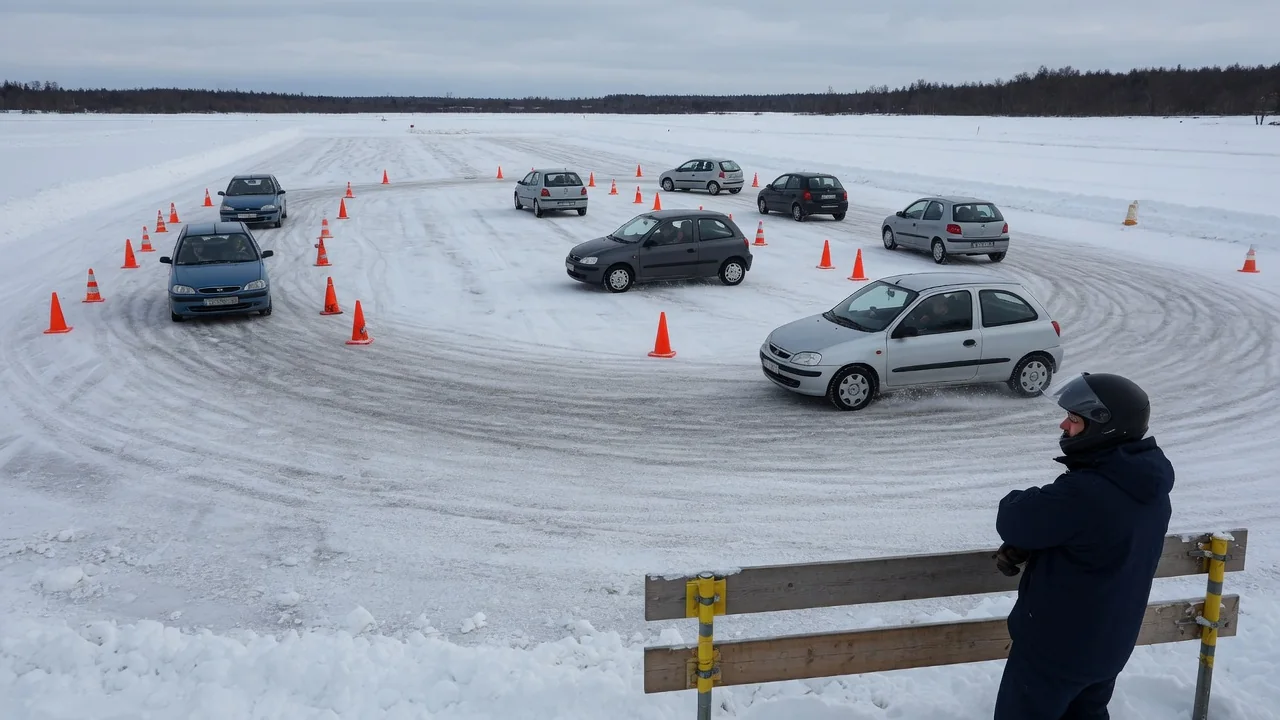
A winter driving class is structured education for snow, ice, and other low-grip conditions. The purpose is not to make winter travel risk-free, but to help drivers recognize when traction is limited and choose speeds, following distances, and routes that match the road. Formats vary, yet most programs combine explanation with supervised driving practice so participants can see how their vehicle behaves before winter weather demands those decisions on public roads.
What a Winter Driving Class Includes
Structured winter driver education exists because ice, packed snow, and slush change how quickly a vehicle can stop, turn, or accelerate. A winter driving course typically starts by teaching drivers to notice those limits early and to adjust decisions before a slide begins. Classroom time may cover weather, road surfaces, and vehicle systems, while instructor demonstrations show how winter braking and steering feel when grip is reduced. Feedback after each exercise helps connect what was felt behind the wheel with safer choices on the road.
Hands-on work belongs on a closed training course with clear boundaries and instructor supervision, because recovery practice can involve sudden speed changes and unexpected vehicle movement. Other traffic, pedestrians, and roadside objects make public roads the wrong place to rehearse those responses. Formats still vary: some winter driving classes emphasize discussion and observation, while others spend more time in the vehicle. Completing any program does not guarantee skid recovery or safe travel in every winter condition, since weather, traffic, and equipment can exceed what a driver practiced that day.
Skills Practiced in a Winter Driving Course
Skills in a winter driving course usually begin with traction awareness: sensing when tires are working near their limit and keeping steering, throttle, and brake inputs smooth enough to stay within that limit. Instructors often stress choosing a speed that leaves room to stop, stretching following distance, and planning lane changes and turns earlier than in dry weather. Winter braking exercises may include firm stops so drivers can recognize antilock brake system, or ABS, pulsing and understand that available grip, not pedal force alone, sets stopping distance.
Some programs also introduce skid control as recognition of a slide and instructor-guided responses, not as a promise that every skid can be saved. Electronic stability control may be explained as a system that can reduce engine power or apply individual brakes, with the details tied to the training vehicle and its owner's manual rather than a generic recipe. Hazard recognition includes judging visibility, reading snow-covered or icy surfaces, and deciding to delay or stop a journey when conditions outrun skill, tires, or lighting.
Who Can Benefit and What Makes Attendance Worthwhile
Winter driving classes can help first-time winter drivers, people who have moved to a snowy climate, drivers returning after a long break, and anyone anxious after a loss-of-grip event. Supervised driving practice gives those drivers a chance to notice their own reactions—braking too hard, steering too quickly, or freezing at the wheel—while an instructor can point out what happened and why. That specific feedback is often more useful than advice given after the fact, because the driver still remembers how the vehicle felt.
Whether attendance is worthwhile depends on the driver's learning goals, how much time is actually spent driving, instructor access, travel commitment, and total cost. A winter driving safety course that matches those factors can still leave residual risk: weather, winter tires, and other road users remain outside a driver's full control. Confidence after training should stay grounded in caution. Completing a class does not eliminate those risks, and it should not be treated as a license to drive closer to the limit than conditions allow.
What to Check Before Booking a Winter Driving Academy
Before booking a winter driving academy, ask about instructor qualifications, winter training experience, class size, and how much of the day is spent actually driving rather than watching. Confirm that the syllabus matches personal goals—skid recognition, winter braking, traction awareness, or simply building calm decision-making—and that the provider can accommodate experience level or accessibility needs. A mismatch here is hard to fix on the day, so it is worth asking how beginners and returning drivers are grouped and whether an observer can attend if needed.
Safety arrangements matter as much as curriculum. Ask how the provider controls the training area, keeps vehicles separated, supervises each exercise, and responds if someone loses control or is injured. Clarify whether vehicles are supplied or participants use their own, including any requirements for winter tires, brakes, or other equipment. Also review weather cancellation terms, rescheduling, insurance, and liability language so a storm, a mechanical issue, or an on-course incident does not become a surprise after payment.
How to Prepare for a Winter Driving Safety Course
Preparation for a winter driving safety course starts with the provider's own rules: license, minimum age, clothing, and footwear. Winter clothing should allow movement and keep hands warm enough to feel the wheel, and footwear should have a firm sole that will not slip off pedals. If a personal vehicle is used, review the owner's manual for winter operation notes and complete any vehicle checks the provider requires, such as tire condition, lights, and fluid levels, before leaving home.
Ask in advance how to report a warning light, a tire concern, or another vehicle issue, and have unresolved safety questions checked by a qualified professional rather than guessing on the morning of class. Plan a trip to the venue that leaves extra time for snow and ice, and follow the provider's weather-related attendance guidance if a storm makes travel itself the greater risk. Bring specific questions or learning goals—night glare, highway ruts, or anxiety after a slide—so the instructor can address them during supervised driving practice.
How to Use the Lessons After the Course
After class, the useful carryover is everyday habit, not a set of emergency tricks. Apply hazard recognition, leave generous space, and keep control inputs smooth within the limits of the road and weather. That means earlier braking, slower corner entry, and a willingness to wait out a storm rather than relying on technique. Winter tires and systems such as ABS and electronic stability control have operating limits; they can help within remaining grip, but they cannot make every journey safe when ice, visibility, or traffic overwhelm those systems.
Do not recreate skid drills on public roads or in unsupervised parking lots. Those exercises belong on a closed training course with instructors who can set speed, spacing, and run-off space. Review the feedback given during the winter driving class and note which skills still feel uncertain. If important concerns remain—highway speeds, night ice, or a vehicle that behaves differently from the training car—seek further supervised training rather than practicing until something goes wrong in traffic.