Windshield Wipers Not Working: Fuse, Relay, Motor and Linkage Troubleshooting
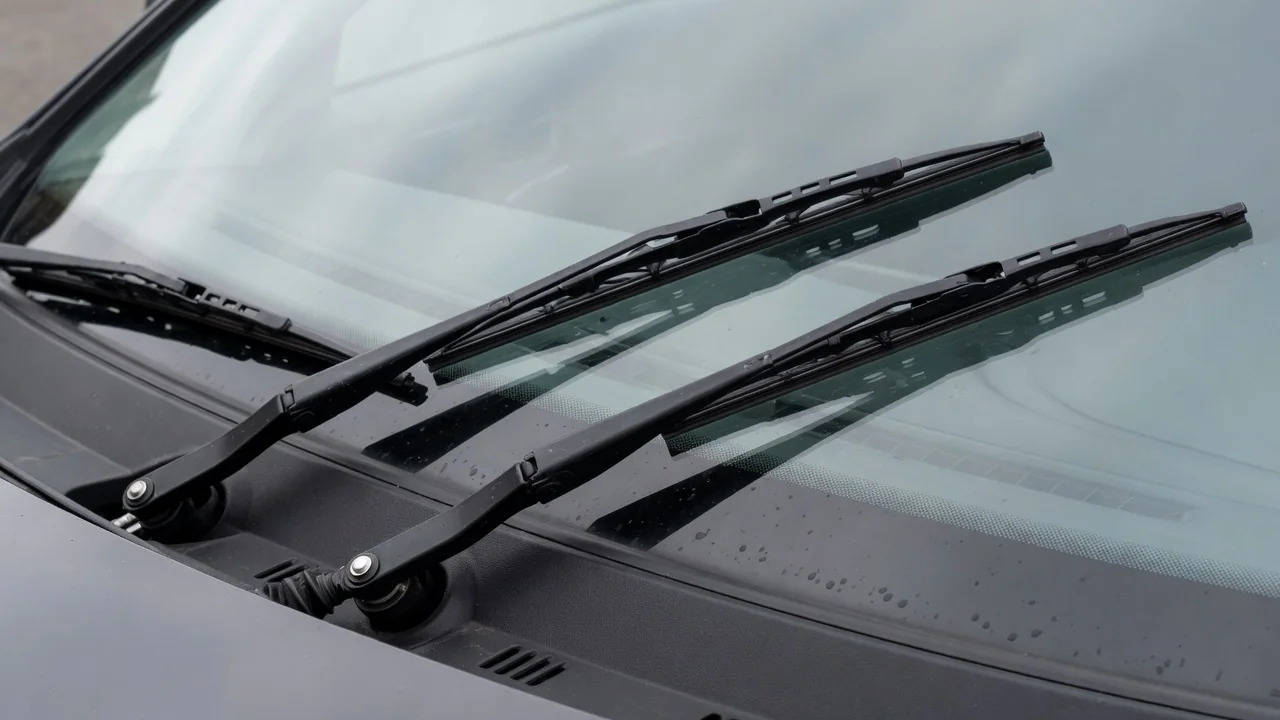
When windshield wipers stop, slow down, sweep on only one side, or refuse to shut off, the cause can be anything from a loose arm to a blown fuse, a switching fault, worn linkage, or the motor itself. Checking the system in a logical order helps separate the simple checks an owner can make from problems that need proper electrical and mechanical diagnosis.
Start With the Wiper’s Symptoms and Safe Observations
Begin by describing exactly what the wipers do. Note whether both arms stopped together, whether movement became sluggish, whether a blade came loose, or whether an arm looks bent or out of place. Record which switch positions are affected, including low, high, intermittent, and mist. A blade that moves normally but leaves streaks points to a wiping problem such as worn rubber. Missing or erratic arm movement means the operating system itself needs attention.
With the vehicle shut down and the wipers disabled as the owner's manual describes, look for packed snow, ice, leaves, or a damaged blade, but never force an arm by hand. A humming motor, a sudden stop mid-sweep, or slow travel are useful clues, yet none of them proves which part failed. If the wipers quit while you are driving and you can't see well, pull over safely. Don't keep running a mechanism that is frozen, obstructed, or visibly damaged.
Locate the Correct Windshield Wiper Fuse
The most reliable way to find the wiper fuse is the owner's manual and the fuse-panel labeling for your exact vehicle, because locations and ratings vary between makes, models, and sometimes trim levels. Some vehicles have more than one panel, so confirm which one holds the wiper circuit. Keep in mind that a fuse that looks intact is not proof that power actually reaches the motor. Electrical testing may still be needed.
Owner checks should stay limited to fuses that are easy to reach, done with the vehicle switched off and following the manufacturer's procedure. Any replacement must match the specified type and amperage rating. If a new fuse blows again, there is an underlying fault, such as a short circuit, a binding mechanism, or a failing component. Installing a larger fuse, bypassing it, or replacing it over and over risks wiring damage and does nothing to find the cause.
Understand What a Wiper Relay Check Can Reveal
Before looking for a wiper relay, confirm that your vehicle actually uses a separate relay you can service. Many modern designs build wiper switching into a body control module or another electronic unit, so there may be no individual relay to inspect. Listening at the fuse box can also mislead. A click, silence, or on-and-off operation cannot confirm the relay's condition unless the rest of the circuit is checked too.
A technician using the vehicle's wiring diagrams can check power supply, ground connections, control signals from the switch or module, and wiring continuity to narrow down the fault. This methodical approach matters because a corroded connector or poor ground can mimic a failed relay. Jumping relay terminals or swapping in parts on a guess can damage modules or hide the real problem, so a relay should be replaced only after the fault is confirmed.
Investigate Wipers That Will Not Turn Off or Park
Wipers that keep running may be doing exactly what the system was designed to do. Check the owner's manual for automatic or rain-sensing operation. Note the selected switch mode, the weather, and whether the wipers keep going after a normal shutdown. Wipers usually finish their sweep after being switched off because a parking function keeps the motor running until the blades return to their resting position at the base of the windshield.
When wipers won't turn off or stop in the wrong place, possible fault areas include the switch inputs, the park feedback signal, sticking relay contacts, damaged wiring, and the electronic control logic. Which of these applies depends on how the vehicle is designed. Wipers that keep running on their own need professional testing. Until then, keep hands and tools clear of the arms, which can restart without warning.
Trace One Inoperative Wiper to the Arm or Linkage
When one wiper stays still while the other moves, the cause may be a loose arm at its pivot, a separated linkage joint, or another fault in the drive system. The symptom alone does not identify the repair. Many systems use a single motor connected to both arms through linkage rods. On those designs, the joints often rely on bushings that let the rods pivot while passing motion along.
A worn or popped-out linkage bushing can disconnect one arm from the drive, leaving it limp or motionless while the other keeps sweeping. Owners should inspect only for visible outside damage, with the system safely disabled. The linkage usually sits under cowl panels, so hidden inspection and testing with the power on belong with a technician. Confirm for your specific vehicle whether bushings are sold separately before choosing between a bushing, a linkage, or a complete assembly.
Choose a Repair After Confirming the Failed Component
A sound repair depends on confirming the failed part first, whether that turns out to be the blade attachment, an arm, the fuse circuit, the control system, the linkage, or the motor. A silent motor does not automatically mean the motor has failed, because a missing power or ground connection produces the same result. Slow operation likewise calls for checks for low supply voltage, resistance in connections, or mechanical drag from seized pivots or linkage.
Motor replacement starts with diagnosis. Then comes identifying the correct motor or assembly, understanding what must be removed for access, noting the arm positions, and following any specified setup steps. Hidden mechanisms, electrical faults, repeated fuse failure, and uncertain arm alignment are good reasons to use a professional. Afterward, check each speed setting, intermittent mode, the full sweep, clearance at the windshield edges, and correct parking, all on a wet windshield rather than dry glass.
Apply the Diagnosis to a 2013 Ford Escape
For a 2013 Ford Escape, start by confirming that the problem involves the front windshield wipers rather than the rear wiper, and note whether one or both arms are affected. Then check the owner's manual and the applicable service information for the relevant fuse assignments, the motor and linkage layout, and how wiper switching is controlled. Those details decide which checks make sense and which parts could plausibly be involved.
If diagnosis points to the motor, verify that the replacement motor or assembly fits by checking the VIN and the relevant part information before ordering, since similar-looking parts may differ. Confirm whether any setup or initialization procedure applies after installation. Most importantly, have the circuit and mechanism tested professionally before blaming the motor. Fuse, control, and linkage faults can produce symptoms that closely resemble a failed wiper motor.