Windshield Wiper Cowl: What It Does and When to Replace It
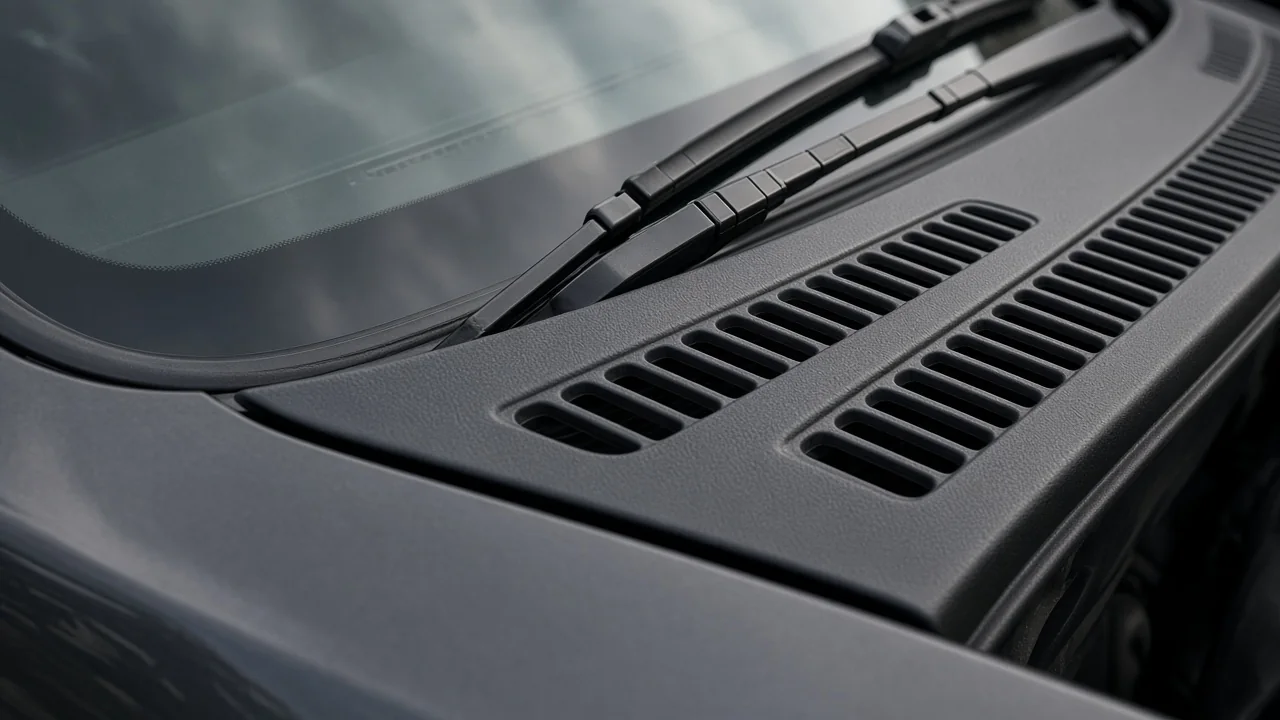
The windshield wiper cowl is the exterior panel at the windshield base, sitting under the wiper arms and covering the channel between glass and hood. Also called windshield wiper cowling, it shields hidden hardware, helps manage rainwater, and on many designs includes a cowl grille feeding the cabin fresh-air intake. Knowing what it does, how damage appears, and what windshield wiper cowl replacement involves helps you decide when cleaning is enough and when a technician should inspect it.
Where the Wiper Cowl Sits and What It Does
Look along the lower edge of the windshield, just above the rear of the hood. The plastic or composite cover running across that gap is the windshield wiper cowl. Windshield wiper cowling is another name for the same panel. Wiper arms rest on or pass through it, and the panel sits over the cowl area so leaves, twigs, and other large debris are less likely to drop straight onto wiper linkage, washer lines, and nearby body structure.
The cowl panel is also part of how rain and wash water leave the windshield base. Slots, a cowl grille, and cowl drains are laid out so water can run off instead of pooling against the glass. Opening sizes and drain routing differ by body design, so one vehicle may show a wide grille while another uses smaller slots and hidden channels. Some layouts add ventilation openings that feed the cabin fresh-air intake, which is why the panel is more than trim: it helps keep water moving while still allowing air into the HVAC system.
Damage Signs That Deserve a Closer Look
Start with what you can see without tools. Cracks across the cowl panel, missing pieces, warped edges that no longer follow the windshield base, and loose or missing fasteners all deserve a closer look. Panel clips and screws hold the cover in place; when they fail, the panel can lift, shift, or rattle. Weather seals that have pulled out of their channels, or a panel that no longer sits flush, can leave gaps that were never part of the original water path.
Sun fade and light surface scuffing are usually cosmetic and do not, by themselves, mean the panel has to come off. Damage that changes how the cover is retained, how water drains, or how weather seals meet the body is a different matter. Rattles near the wiper arms, dampness at the windshield base, or debris packed under the panel are reasons to investigate, not proof that windshield wiper cowl replacement is required. A technician can separate a loose clip or a packed drain from a panel that is actually broken.
How Debris and Drainage Problems Affect the Cowl Area
Leaves, pine needles, and road dirt collect in the cowl grille and along the windshield base because that is where water and air already enter. When that material packs into slots or cowl drains, designed water paths can slow or stop, and standing water may appear in the channel instead of leaving through the intended outlets. With the vehicle off and the wipers parked, look for visible debris or pooled water on the panel and in the openings you can see without prying trim or reaching into hidden passages.
Water on a cabin floor is not automatic evidence that the windshield wiper cowl failed. Windshield sealing, blocked body drains elsewhere, door weatherstrips, and sunroof channels can all send moisture inside. Recurring wet carpets, unexplained water entry after rain or a wash, or any suspicion that water has reached electrical components near the cowl area call for professional leak tracing. A shop can test those paths instead of treating the cowl panel as the only possible source.
When Cleaning, Fastener Repair, or Replacement Is Appropriate
If the cowl panel is intact and the only problem is leaves or dirt sitting in the grille, removing accessible surface debris with the vehicle off may restore drainage without replacing anything. That is a maintenance issue, not a broken part. When the panel is loose, a technician can check whether panel clips, screws, or weather seals have simply come free. Replacing those fasteners or reseating a seal can restore the cover if the plastic itself is still sound and the mounting points have not torn.
Broken mounting points, substantial cracks, missing sections, and distortion that will not sit flush are reasons to evaluate windshield wiper cowl replacement rather than keep fastening a panel that cannot seal. Even then, a new cover only restores the outer shield. Packed cowl drains, a damaged fresh-air intake path, or a leak at the windshield itself can remain after the panel is changed. That is why inspection of the area beneath the cover matters as much as deciding whether the plastic is worth keeping.
What Windshield Wiper Cowl Replacement Involves
Windshield wiper cowl replacement starts with matching the correct panel to the vehicle. Identification and parts information should include body configuration, whether the cover is one piece or split into sections, and which hardware and weather seals belong with it. At a high level, the work means gaining access at the windshield base, removing the damaged cowl panel, inspecting the area underneath for debris and damage, then fitting the specified panel and fasteners so the cover sits as designed.
Some vehicles require wiper-arm removal and vehicle-specific alignment so the arms return to the correct park position. Those steps are easy to get wrong if they are unfamiliar, which is why professional service is appropriate when the procedure is not straightforward. After the new panel is in place, checks should confirm secure seating, intact weather seals, clear drainage paths, and wiper operation that does not bind on the cowl grille. An estimate depends on panel construction, access, required hardware, and any extra damage found underneath; current prices are not fixed across vehicles.
Keeping the Cowl Clear and Checking the Finished Repair
Periodically look at the windshield wiper cowl for leaves and dirt, and with the vehicle off remove only loose material you can reach safely from the surface. Do not probe hidden cowl drains with tools, force brittle trim that may crack, or aim pressurized water into cowl openings. Those openings can lead toward the fresh-air intake and electrical components, so driving water deeper can create a problem that was not there before. Gentle surface cleaning is the limit of owner-level care.
After service, watch for loose edges, new rattles at the windshield base, and wiper arms that catch or chatter on the panel. Those signs suggest seating, panel clips, or arm alignment still need attention. If water still enters the cabin after windshield wiper cowl replacement, go back for diagnosis instead of assuming another new panel will fix it. Remaining leaks often come from drains, glass sealing, or another body path that the cover never controlled.