Will an ABS Light Fail a State Inspection or Emissions Test?
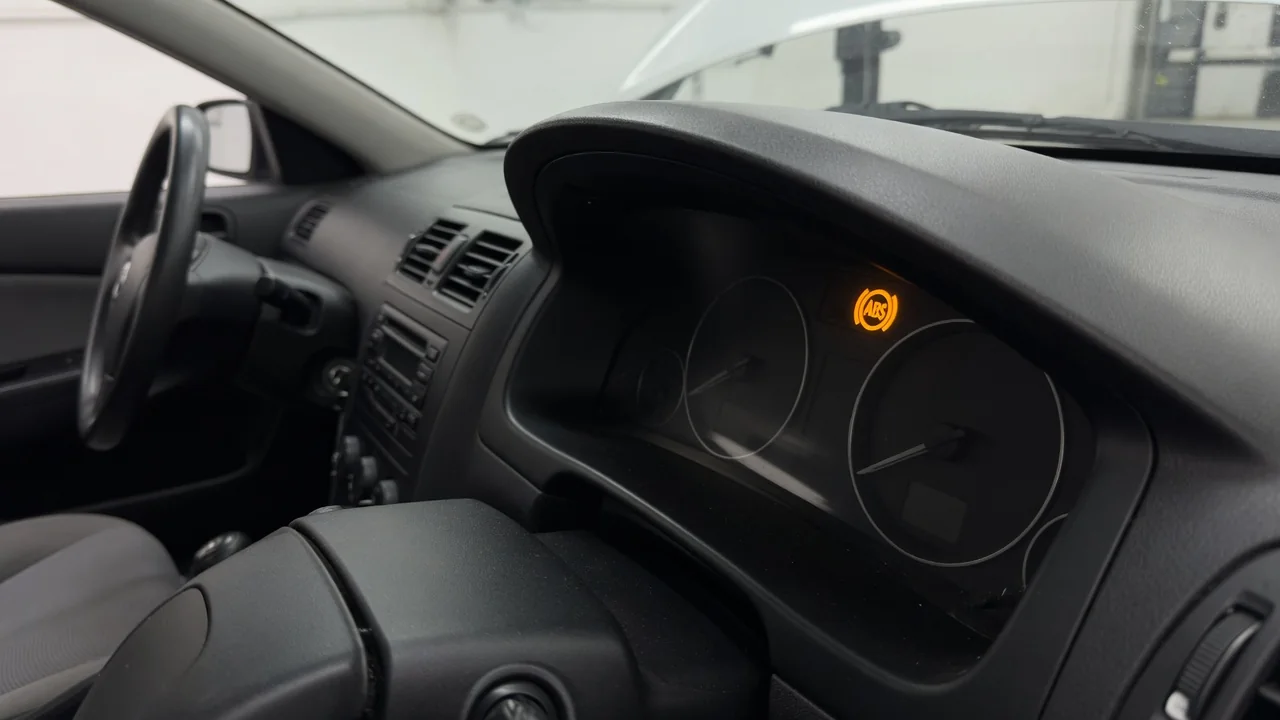
Whether an ABS light will fail inspection is not a single national yes or no. A vehicle may pass or fail depending on the state safety inspection program, the emissions test or smog inspection in force, the model year and vehicle class, and whether a separate brake defect is present. An illuminated ABS warning light is a diagnostic clue, not a nationwide rejection criterion, and a pass does not prove the anti-lock fault is gone.
An ABS Light Does Not Have One Nationwide Inspection Outcome
An illuminated ABS indicator alone cannot establish whether a vehicle will pass. Whether a car can pass inspection with the ABS light on depends on the applicable inspection program, registration location, model year, and vehicle class, and on any accompanying brake defects. The same warning that is a rejection item in one safety inspection can be treated differently where the criterion is limited to pedal feel, lining condition, leaks, or other observable brake faults rather than the lamp itself.
Registration location, model year, vehicle class, and inspection type decide which rule applies: a periodic state safety inspection, emissions-only testing, a combined appointment, or a California smog inspection. Passenger cars, light trucks, and other categories can fall under different inspection rejection criteria. Passing still does not establish that an ABS fault is harmless or resolved. Anti-lock control can remain impaired even when the vehicle is legally eligible to be driven, so diagnosis remains a separate safety decision from the sticker or certificate.
What Determines a Safety Inspection Result
The applicable safety inspection criteria determine how an ABS warning is treated, not a national assumption that any ABS warning light is an automatic fail. Some programs treat an illuminated anti-lock lamp as a rejection item when the vehicle is required to have functioning ABS indication. Others concentrate on required brake checks: lining or pad thickness where measurable, hose and line condition, leaks, parking brake hold, and pedal travel. Those observable brake defects can fail the vehicle independently of whether the ABS lamp is on or off.
A vehicle may therefore be eligible to pass under one applicable rule while the ABS warning remains on, yet that eligibility is not a promise that your car will pass inspection with the ABS light on. If a red brake warning light, leaking fluid, or a spongy pedal is also present, the brake-system portion can still reject the vehicle. Before the appointment, ask an authorized station whether the ABS warning is a rejection item for your model year and class, and which inspection criterion they will apply. Get that confirmation from the station that will perform the inspection.
ABS Warnings During Emissions and California Smog Testing
An ABS warning alone generally does not indicate an emissions malfunction, so failing an emissions test because of that lamp is a different question from a safety inspection. Where OBD testing applies, the emissions malfunction indicator, diagnostic communication with the powertrain controller, and OBD readiness monitors are the checkpoints, not the anti-lock lamp. You can pass emissions with the ABS light on if those emissions criteria are met, but a combined visit can still fail the safety side, and each requirement must be satisfied separately.
For California Smog Check, confirm the vehicle's applicable requirements for model year and test type instead of treating the ABS lamp as an automatic smog failure. You can pass smog with the ABS light on when the malfunction indicator, communication, and readiness conditions are acceptable, if no other smog rejection applies. Clearing codes or disconnecting the battery can leave emissions readiness monitors incomplete and does not repair the underlying ABS fault.
Checking ABS Inspection Rules in Pennsylvania, Virginia, and Massachusetts
Pennsylvania, Virginia, and Massachusetts each apply their own ABS light inspection rules, so the result is not imported from another state. In Pennsylvania, verify the current safety inspection rejection criteria for the vehicle class before treating the ABS warning as a fail or a pass. In Virginia, verify current ABS indicator and brake-system inspection requirements, including any applicable vehicle exceptions, because a warning-indicator rule is not the same as a separate lining, leak, or pedal defect. In Massachusetts, verify current safety inspection requirements and any model-year or vehicle-class conditions that affect how ABS is treated.
Each state's outcome follows the verified rule. If that rule lists an illuminated ABS warning as a rejection item for that class and year, the vehicle will fail that safety inspection while the lamp is on. If the verified rule addresses mechanical brake condition and does not include the indicator, the lamp alone may not fail the inspection, though a separate brake defect still can. Confirm the applicable criterion with an authorized inspection station in the registration state, including if you are asking about Pennsylvania, Virginia, or Massachusetts from elsewhere.
What to Observe Safely When the ABS Light Stays On
Most vehicles illuminate the ABS warning briefly at startup as a bulb and system check, then extinguish it if the module sees no stored fault that requires a lamp. Confirm that sequence in the owner's manual, because cluster behavior is vehicle-specific. A warning that stays on after the self-check, or returns while driving, means the control unit is reporting a condition that needs interpretation. While parked, note which lamps remain on, any displayed messages, and whether the ABS light is constant or intermittent. The ABS lamp and a red brake warning light are not interchangeable evidence.
With the lamp remaining on, anti-lock assistance may be unavailable during a hard or low-traction stop, yet the indicator alone cannot identify a failed component or establish that braking is safe. If a red brake warning, abnormal pedal feel, reduced braking, or visible fluid leakage accompanies the ABS warning, stop safely and arrange professional assistance. An ABS diagnostic scan may require a tool that can access the ABS module; a basic emissions-code reader may not retrieve chassis codes. A stored code is evidence to interpret, not proof a part has failed, and manufacturer-dependent codes need vehicle-specific confirmation.
Preparing for Inspection and Handling a Rejection
Prepare by identifying the required inspection first: safety only, emissions only, combined, or California Smog Check. Confirm the applicable ABS rule for that program, document whether the warning is constant or intermittent and which other lamps are on, then arrange diagnosis when the lamp remains illuminated or when brake symptoms are present. Bring relevant diagnostic or repair records to the station; paperwork documents work performed, but it does not substitute for the required inspection checks the inspector must complete. If the ABS light is still on, the station will apply the current rejection criteria regardless of invoices.
Extinguishing, concealing, or resetting the ABS warning without addressing its cause cannot establish a repair or ensure a pass. Incomplete readiness after a battery disconnect can still fail an emissions test, and a lamp that returns en route can still fail a safety inspection if the indicator is a rejection item. If the vehicle is rejected, obtain the written rejection reason, then confirm local reinspection requirements and the deadline with the same program. Those rules are not a universal policy, so do not assume another state's window or waiver applies.