Why Your Coolant Level Keeps Dropping and What to Do
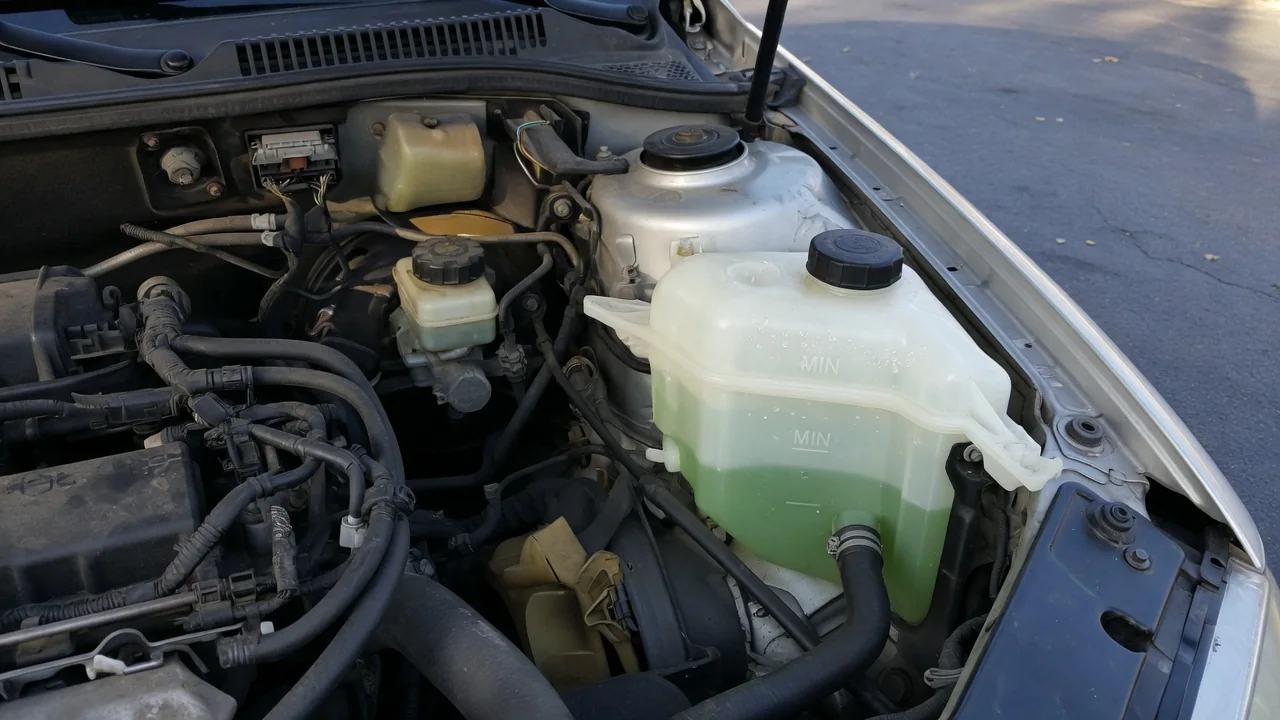
When the coolant is low again only weeks after the last top-up, the cooling system is telling you something. A sealed system should hold its level, so a car losing coolant but not leaking onto the driveway still has a cause worth finding. Confirming a low coolant level, tracing where hidden loss goes, and knowing when driving becomes risky all help you decide what to do next and when professional testing makes sense.
How to Confirm That the Coolant Level Is Low
Start by finding the coolant reservoir with help from the owner's manual, because some vehicles use a translucent overflow tank while others use a pressurized expansion tank, and the correct check point differs between designs. Park on level ground and let the engine cool completely, ideally overnight. The reservoir normally carries minimum and maximum marks, sometimes labeled specifically for the cold level. If the coolant level is low relative to the cold mark, note exactly where it sits before adding anything.
Coolant expands as it warms, so a hot reading can look full while the cold coolant level is actually short. Compare readings under the same cold conditions each time. A dashboard warning is a separate clue: a low coolant light may reflect a level sensor fault, a wiring issue, or genuine loss, so it does not establish the cause by itself. What matters most is the pattern. A healthy system should not need routine replenishment, so any repeated decline deserves investigation.
Why Coolant Can Disappear Without Leaving a Puddle
Many leaks appear only when the engine is hot and cooling system pressure is at its peak. A hose connection, radiator seam, or water pump seal may weep under pressure, and the coolant then evaporates from hot surfaces before it ever reaches the ground. That is why a car losing coolant but not leaking visibly often leaves dried coolant residue instead, typically a crusty white, green, pink, or orange trace. Splash shields beneath the engine can also catch drips and hold them out of sight.
When a car is leaking coolant but not on the ground, the cabin deserves a look too. A leaking heater core can cause damp carpet, an unusual sweet odor, or a greasy film on the inside of the windshield. With the engine cold and off, look around accessible hoses, the reservoir, and nearby surfaces, keeping hands away from the fan and belts. If a car was leaking coolant but stopped, do not assume it healed; the level may have fallen below the leak point or operating conditions may have changed.
When Internal Coolant Loss Raises Head Gasket Concerns
Why is a car losing coolant but not leaking anywhere visible? Sometimes the answer is internal coolant loss, where coolant enters the combustion chambers or oil passages. A failed head gasket is one possibility, but other internal faults can produce similar evidence, and unexplained loss alone cannot identify the fault. Signs that justify testing include persistent white exhaust after full warm-up, rough running, and milky or contaminated oil. Brief vapor on a cold morning or residue under the oil cap is inconclusive, because condensation can cause both.
Can you drive a car with a leaking head gasket? It is a poor gamble. Continued use can overheat the engine, contaminate the oil, and damage internal components, turning a gasket repair into a far larger one. If you suspect internal coolant loss, stop using the vehicle and arrange professional assessment. A technician may run a combustion-gas test on the coolant along with other engine checks to establish the cause. Topping up may restore the level briefly, but it does not repair an internal leak.
What to Do When the Engine Runs Hot With No Visible Leak
A car running hot but not leaking is not necessarily low on coolant. Engine overheating can come from a sticking thermostat, a weak water pump, a restricted radiator, a failed cooling fan, or a faulty temperature sensor that misreports conditions. Low coolant can still be involved, since trapped air reduces circulation around hot spots. If the temperature gauge climbs, an overheating warning appears, steam rises, or cabin heat suddenly disappears as temperature rises, pull over safely and shut the engine off.
Never open a hot cap on the radiator or pressurized reservoir, because scalding coolant can erupt under pressure. Let the engine cool fully, and arrange roadside assistance when overheating or substantial coolant loss is present rather than nursing the car home. The absence of steam or a gauge that looks normal does not prove that driving with low coolant is safe. A sensor surrounded by air or steam instead of liquid may read inaccurately, hiding real overheating while damage quietly builds.
How to Top Up Coolant Safely and Track the Level
Top up only when the engine is fully cold, using the fill location and procedure described in the owner's manual. Use the coolant specification and concentration the manufacturer calls for, since chemistry varies between formulations and color alone does not establish compatibility. Premixed coolant is ready to pour, while concentrate must be diluted to the correct ratio with the water type the manual specifies. Mixing unsuitable products or relying on plain water can weaken corrosion, boil-over, and freeze protection over time.
Fill only to the cold mark, secure the cap firmly, and record the date and amount added. That log turns guesswork into evidence, but replenishment is not a repair. An empty reservoir, a rapid level drop, or a repeated need to add coolant calls for assessment before further driving. Some engines trap air easily and need a vehicle-specific filling and air-removal procedure, so a system that has lost a large amount may not refill correctly with a simple top-up.
What a Mechanic Can Test When Coolant Keeps Dropping
A cooling system pressure test lets a technician pressurize the system with the engine off and watch for external seepage or a falling gauge, often revealing weeping seams or loose connections. A cap test checks whether the pressure cap holds and releases correctly, since a weak cap can push coolant out through the overflow. An intermittent coolant leak can be stubborn, so inspection under controlled operating temperature or repeat testing may be needed; a single test may not reveal every leak.
Depending on the symptoms, the shop may add combustion-gas checks, oil inspection, thermostat and fan operation checks, or cylinder leak testing, weighing results together rather than treating any single finding as conclusive. You can speed diagnosis by bringing cold-level photos, the dates and amounts of coolant added, warning light behavior, any overheating events, cabin symptoms such as fogging or odor, and details of recent cooling-system work. Clear records help separate a slow external weep from a deeper internal problem.