Why Your Car Squeaks or Squeals and What to Do
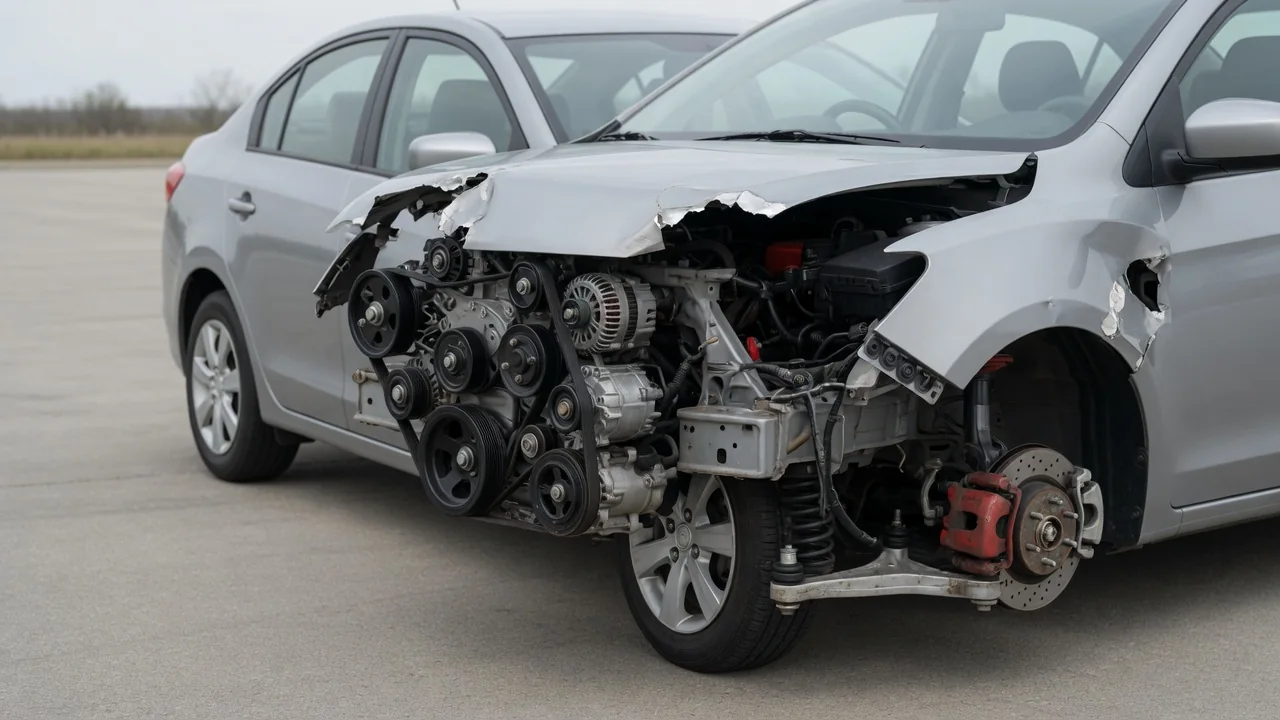
When a car is making a squealing noise, a squeaking noise, or a screeching noise, the sound does not name the failed part. A squeak noise in a car can appear at idle, when parked with the engine running, while driving, or when driving slow. Timing, engine speed, wheel rotation, and a cold start help sort belt, brake, and chassis sources without treating any noise as proof of a specific failure.
Use the Timing of the Squeak to Narrow the Source
Squeaking car noise, a squealing noise from a car, and a loud screeching noise from a car are descriptions of pitch and character, not diagnoses. A car making a squeaking noise and one making a screeching noise when driving may share similar cabin sound while pointing toward different systems. Organize observations around startup, idle, ordinary driving, braking, bumps, and steering input. Those moments change which parts are loaded, which helps explain why a car makes a squeaking noise without assuming a particular component has already failed.
Sound travels through body panels, glass, and the cabin, so a squeaking noise in a car often seems nearer than the true source. A squeaking noise on a car can radiate from the engine bay or underbody and still register as cabin noise from the driver's seat. Note whether the engine was running, the vehicle was moving, and whether conditions were cold, warm, dry, or wet. Those details help a shop interpret why a car makes squeaky noise rather than chasing the apparent location.
Squeaking While Driving: Speed, Road Surface, and Pedal Clues
A repeating sound that tracks road speed, heard as a car makes a squeaking noise when driving, can point toward a rotating wheel-area part without naming the exact cause. Wheel rotation and brake-rotor speed rise with vehicle speed, so a car making a squeaking noise when driving slow may still be wheel-related if the rhythm matches distance traveled. A car making squeaking noise while driving over a rough road or over bumps can instead draw attention to suspension joints, bushings, or mounts that load as the chassis moves.
A change during ordinary braking or light acceleration is only a clue. If a car making squealing noise when driving quiets or grows louder as the brake pedal is applied, a technician may inspect the brakes, yet pedal timing still does not prove pad failure. If the same squeaking noise from a car shifts with throttle rather than road speed, accessory load or engine speed may matter more. Limit observations to normal, safe operation. Do not swerve, brake hard, or keep driving just to reproduce a severe screeching noise from a car.
Squealing at Startup or Idle: Belts, Tensioners, and Pulleys
On vehicles with an accessory belt drive, a car making a squealing noise at startup can come from belt slip, inadequate tension, pulley misalignment, or a pulley bearing problem. The serpentine belt, belt tensioner, and idler pulley all participate in that drive. A cold start, moisture on the belt face, a change in engine speed, or an accessory cycling can alter the sound without proving a particular fault. A car making squeaking noise when idle may still be belt-related if the noise follows engine rpm rather than wheel rotation.
A stationary vehicle with its engine running can still produce a squealing noise in a car from the belt drive; with the engine off, that belt drive is not rotating. That distinction helps explain why a car is making a squeaking noise when parked yet quiet once the key is off. Professional inspection looks at belt condition, alignment, tension, and the bearings of driven components. Do not reach near moving parts, remove belts, or apply belt sprays. Those steps can hide a tensioner or idler pulley problem and create a safety risk.
Brake Squeals and Screeches That Need Inspection
Some brake pads use an audible brake wear indicator that can create a high-pitched squeal as lining wears, but a squeal alone cannot confirm remaining pad thickness. A car making screeching noise while driving may also come from pad vibration, worn or missing brake hardware, surface moisture after rain, or debris trapped at the rotor. None of those causes is certain from sound. Why a car is making a screeching noise at the wheels still requires inspection of the friction materials and related hardware rather than assuming the pads are spent.
A screeching noise in the car when driving can occur during braking or while rolling with the pedal released, so pedal timing does not rule out a brake concern. Light residual contact, a dragging caliper, or a wear indicator that still touches the rotor can all produce a car screech noise without a firm pedal press. Inspection of pads, rotors, calipers, and brake hardware is the basis for repair. Lubricants must never be sprayed onto braking surfaces, because contamination reduces friction and can make stopping less predictable.
Squeaks Over Bumps or During Steering
Suspension bushings, ball joints, and strut mounts can make a squeaky car noise as the suspension cycles over bumps or during body roll. Rubber that has dried, cracked, or lost its intended compliance often chirps when it twists, which can sound like a squeaking noise from the car even when tires and brakes are fine. Steering components may add their own sounds through joints, column or rack mounts, and, where fitted, hydraulic assist parts. Not every vehicle has a power steering pump, so pump noise should not be assumed.
Noise during steering while stationary requires attention to which parts are actually moving and whether the engine is running. With the engine off, hydraulic assist is not circulating, yet mechanical joints and mounts can still squeak as the wheel is turned. With the engine running, accessory load and assist operation enter the picture. A shop should check for wear, looseness, and binding before any repair. Do not crawl beneath an unsupported vehicle or apply lubricant indiscriminately, because the wrong product can attract grit or mask a joint that needs replacement.
When to Stop Driving and What to Tell the Shop
Stop safely and arrange assistance if a car making squealing noise is paired with reduced braking, sudden heavy steering, smoke, a burning smell, or overheating. A loud screeching noise from a car in those conditions is a reason to get off the road, not a puzzle to keep testing. Persistent or recurring noise still warrants inspection even when the vehicle feels normal. Sound alone cannot establish a safe remaining driving distance, so a squeaking noise that returns on ordinary trips should be documented rather than ignored.
Give the shop a short symptom record: first occurrence, engine temperature, weather, approximate speed, pedal use, steering input, and any warning lights. Those notes help explain why a car is making a squeaking noise or why it is making a squealing noise when you drive if the sound is hard to reproduce on a lift. Repairs depend on confirmed findings, such as correcting a belt-drive fault or replacing worn brake or suspension components. After the work, the technician should verify that the noise is gone under the same conditions that first produced it.