Why Your Car Shakes When You Turn Off the Engine
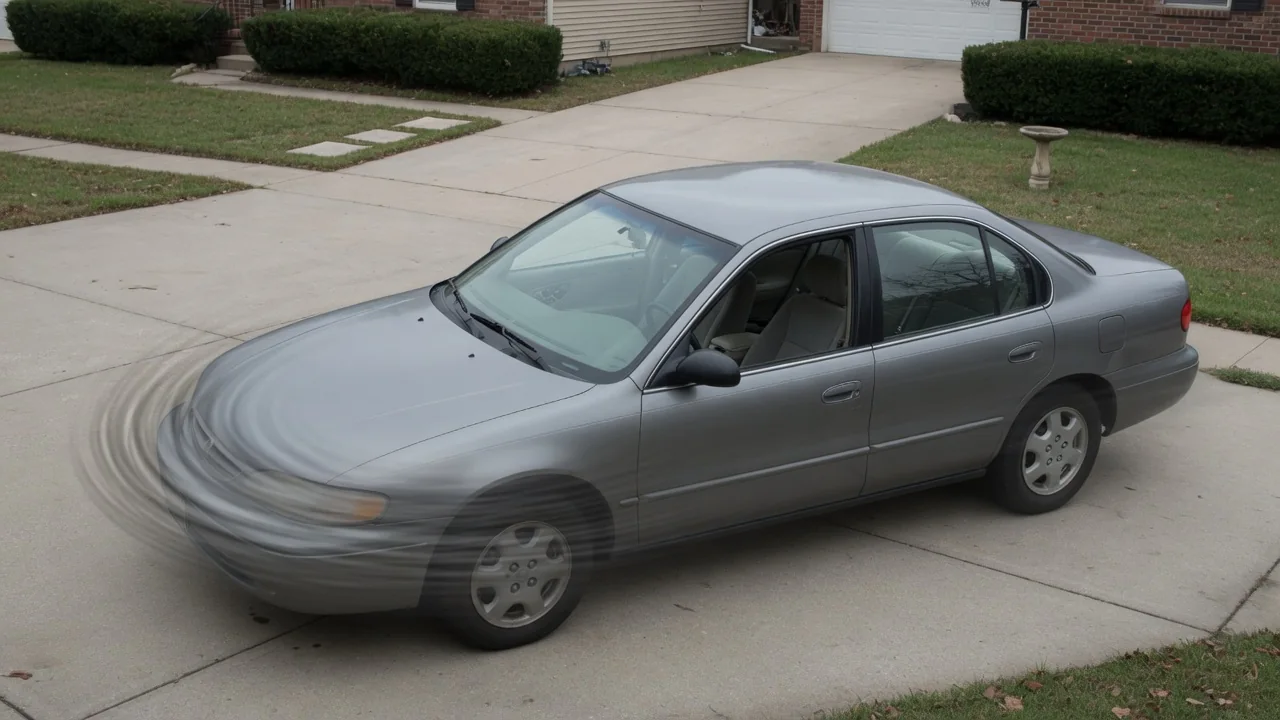
A car shaking when turning off can feel alarming, but a brief shudder during the final engine rotations is often a normal shutdown characteristic. The rotating assembly loses momentum unevenly as combustion stops, and the engine mounts absorb that motion. When the shake becomes forceful, prolonged, or appears with clunks, it may point to worn mounts, rough running, or fuel cutoff issues. Understanding the timing and feel of the vibration helps separate routine behavior from a developing mechanical problem.
What a Shudder at Engine Shutdown Can Mean
As you switch off the ignition, the engine's crankshaft and pistons do not stop instantly. The last few rotations occur without spark, and the cylinders still compress and release air unevenly. This causes the engine to rock slightly on its mounts, which may translate into a brief shake felt through the seat or steering wheel. A small, consistent movement at shutdown is often just the drivetrain settling and does not indicate a fault.
Engine mounts use rubber or hydraulic elements to isolate the body from normal engine vibration. If the mounts are stiff, collapsed, or separated, they can transmit a sharper jolt at the moment the engine stops. A new, forceful, or prolonged shake deserves attention, especially if it feels like a metallic knock. Continued sputtering after the key is off is different from a final movement and points to separate fuel or ignition concerns.
Record Exactly When and How the Car Shakes
To help diagnose the issue, note exactly when the shaking occurs. Does the engine vibrate while idling just before you turn it off, or does the shudder happen only during the final rotations? A shake that begins before shutdown suggests an existing rough idle or misfire, while a jolt only at the last moment often relates to mount behavior. Record whether the symptom appears with a warm or cold engine, since temperature can affect idle control and mount stiffness.
Also listen for clunks, watch for warning lights, and note any rough running during normal driving. Keep observations limited to a routine stop with the car safely parked; avoid turning the engine on and off repeatedly to provoke the symptom. Repeated forced shutdowns can mask the original pattern or introduce new variables. A clear description of the timing, sound, and any accompanying issues helps a technician narrow the possible causes.
How Engine and Transmission Mounts Transmit Shutdown Movement
Engine and transmission mounts are designed to control drivetrain movement, but they wear over time. When rubber degrades or fluid leaks from a hydraulic mount, the engine can shift farther during shutdown and hit metal stops. That abrupt contact produces a thump or clunk through the body. However, a clunk does not prove a mount has failed—a loose exhaust hanger or a heat shield touching the underside can create a similar sound and transmit vibration.
Because many components are packed close together, any change in contact clearance can cause a shutdown shake. A technician can safely inspect the mounts and surrounding parts with the engine off and the vehicle supported. Checking mounts under load or reaching near a running engine is risky and should be left to professionals. Visual inspection and careful movement tests can reveal cracked rubber, collapsed mounts, or metal-to-metal contact points.
Uneven Engine Operation and Fuel Cutoff Behavior
An engine that already runs unevenly will often stop with an irregular final shake. If the idle is rough or you feel misfires under load, those combustion problems become more noticeable as the engine winds down. Air leaks, dirty injectors, weak ignition components, or incorrect fuel mixture can cause uneven cylinder contribution. The shutdown movement then reflects that imbalance, but the vibration alone cannot tell you which component is at fault.
Shutdown controls also vary by engine design. Many gasoline engines simply cut fuel and spark, while some diesels use an intake shutdown flap to reduce air and smooth the stop. If the flap sticks or the fuel cutoff is delayed, the engine may shudder or continue to sputter briefly after the key is off. Continued combustion after switch-off is a separate clue that depends on the vehicle's ignition, fuel delivery, and computerized shutdown logic. Only targeted testing can confirm the cause.
Symptoms That Need Prompt Professional Attention
Recurring heavy shaking, new clunks, or a shutdown that becomes increasingly violent suggests a mechanical or control issue that needs prompt inspection. If the engine does not stop normally—such as running on, backfiring, or shaking for several seconds—get the vehicle checked soon. A warning light that flashes during operation indicates a serious misfire that can damage the catalytic converter; stop driving and arrange for diagnosis as soon as safety allows.
Do not restart the engine if you notice smoke, a strong fuel odor, or visible fluid leaks after shutdown. Those signs could mean a fuel or oil leak that poses a fire risk or an overheating condition. In such cases, call roadside assistance rather than trying to move the car. The duration or intensity of the shutdown shake alone cannot confirm the vehicle is safe to drive, especially if the symptoms are new or worsening.
What a Technician Should Check Before Replacing Parts
Before recommending repairs, a technician needs a clear picture of the complaint. Provide details such as the vehicle make and model, when the shaking first appeared, whether it happens hot or cold, how the car idles, and any noises or warning lights. Describing whether the shake occurs only at shutdown, during idle, or after the key is off helps the shop prioritize checks. Mentioning any recent work or impacts can also save diagnostic time.
A thorough diagnosis may include starting the engine to reproduce the symptom in a controlled setting, inspecting mount condition and contact points, and scanning for fault codes. Codes are clues, not verdicts—manufacturer-dependent definitions must be verified for the specific vehicle before replacing parts. Targeted tests of fuel cutoff, ignition, and shutdown controls may be needed. After any repair, the technician should confirm both normal engine operation and that the original shutdown shake is resolved.